Smart Pallet Racking Systems: Maximize Warehouse Efficiency with High-Density & Mobile Storage Solutions
Explore modern warehouse racking systems, from conventional pallet racks to high-density mobile solutions, with weight capacity guidance and automation trends.
The Evolving Warehouse Racking Landscape
North America's warehouse racking sector is undergoing a major transformation driven by surging demand from manufacturing, retail, and e-commerce. Substantial investments in automation—including automated storage and retrieval systems (AS/RS) and warehouse management systems (WMS)—are reshaping storage strategies to maximize space and labor productivity. Over half of North American warehouses are expected to implement automation by 2032, with cold storage booming for food, pharmaceuticals, and chemicals.
Conventional Pallet Racking: A Cost-Effective Foundation
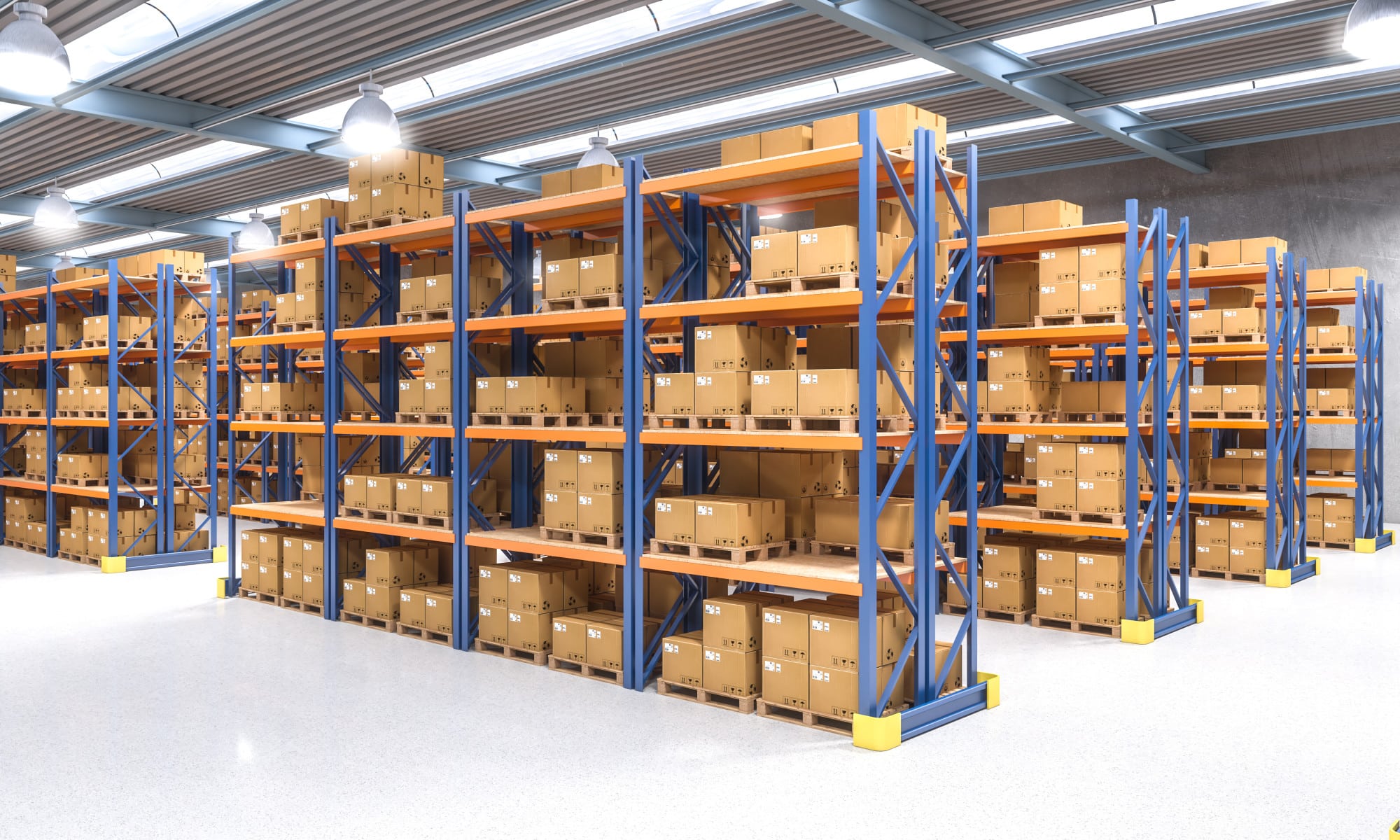
Despite the rise of high-tech solutions, conventional pallet racking remains a go-to choice for small and medium enterprises (SMEs) due to its cost-effectiveness, simplicity, and low maintenance. According to a June 2025 report by Future Market Insights, conventional pallet racking is projected to hold a 28% market share in 2025, reflecting its enduring appeal. These systems offer flexible storage without complex technology.
High-Density Storage for Space Optimization
Mobile Pallet Racks and Double-Deep Racking
High-density racking systems are rapidly adopted in US and UK warehouses to maximize capacity without costly expansions. Mobile pallet racks eliminate fixed aisles, allowing racks to move freely, while double-deep racks store two pallets in a single position. Both approaches can nearly double storage density while maintaining full inventory access, ideal for diverse inventories and tight spaces.
Ideal Applications and Cost Efficiency
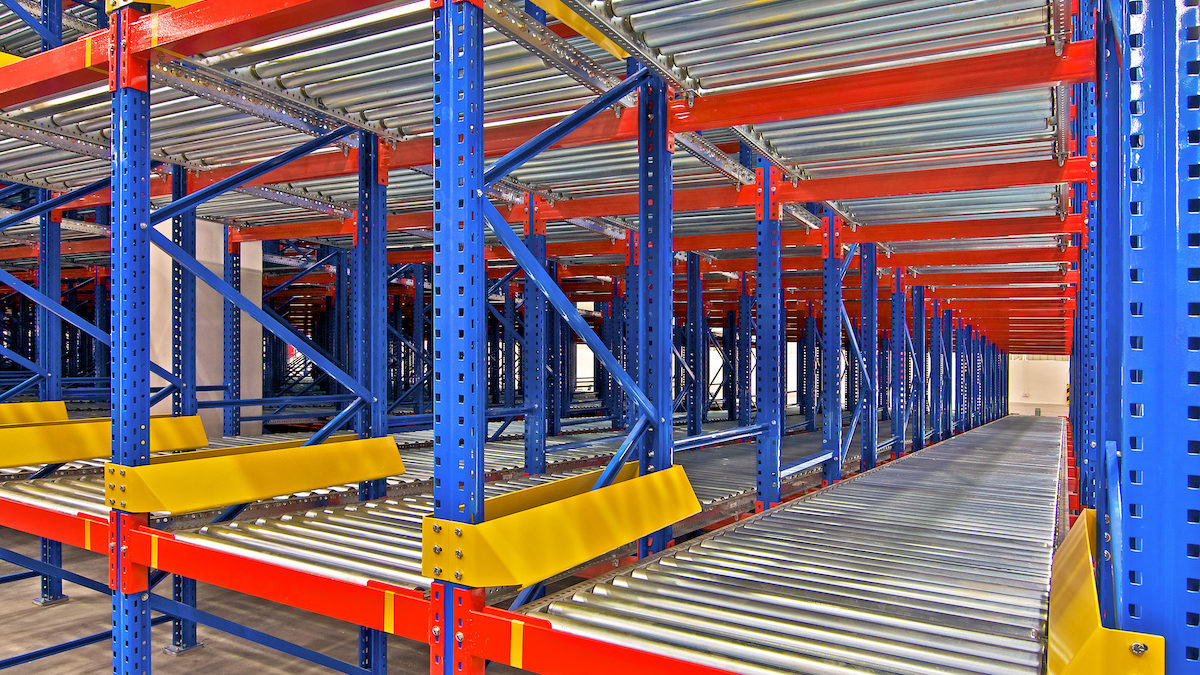
These systems excel in space-constrained environments such as cold storage facilities, food and beverage plants, manufacturing units, and distribution centers. Compared to static racks, mobile and gravity flow racks reduce floor space requirements, lowering new construction costs and streamlining picking processes.
Mobile Racking in Cold Storage
The U.S. cold storage sector is booming, with industries like food & beverage, pharmaceuticals, and chemicals leading adoption of mobile and temperature-controlled racking. These systems support FIFO and LIFO inventory management. Government incentives also encourage energy-efficient racking solutions, making mobile racking a sustainable choice for temperature-sensitive goods.
Understanding Weight Capacity in Racking Design
Load Capacity Categories
Selecting the right racking system requires precise alignment with inventory weight. The following table outlines standard load categories:
| Load Capacity Category | Weight Range per Level | Typical Application |
| Light-duty Racking | Up to 1,000 kg | Small parts, lightweight goods |
| Medium-duty Racking | 1,000 – 3,000 kg | General warehouse inventory |
| Heavy-duty Racking | Above 3,000 kg | Bulk storage, heavy materials |
Data source: Market Research Future “Pallet Racking Market Size, Share, Growth Report” 2025/7
Adaptable and Modular Systems
Modern warehouses demand flexibility. Modular and scalable racking designs allow facilities to adjust beam levels and heights as inventory profiles change. This adaptability supports both high-density configurations like drive-in racks and systems prioritizing rapid SKU access, such as selective racks.
Smart Technology Integration and Automation
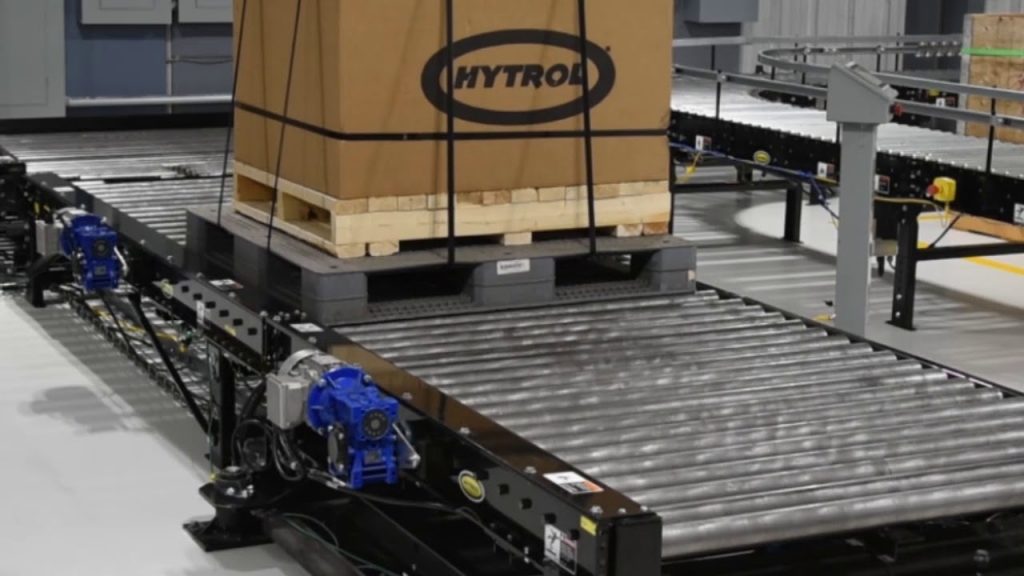
Integrating sensors, IoT devices, and WMS into racking systems enables dynamic inventory management with real-time visibility into stock levels and performance. This shift supports the development of high-density smart distribution centers. Unified data flow and automated decision-making maximize throughput, minimize manual intervention, and enhance efficiency.
Frequently Asked Questions
What are the advantages of conventional pallet racking? It is cost-effective, simple, and low-maintenance, making it ideal for SMEs. It is projected to hold 28% market share in 2025.
How do high-density racking systems improve efficiency? Mobile and double-deep racks nearly double storage density by eliminating aisles or storing two pallets per position, while maintaining full access.
What role does weight capacity play? Choosing the correct load category—light (up to 1000 kg), medium (1000-3000 kg), or heavy (above 3000 kg)—ensures structural integrity and safety.
How does WMS integration enhance operations? It provides real-time control, improves picking, and enables better labor management, leading to higher throughput and scalability.
Conclusion
The future of warehouse racking lies in smart layout designs and automated controls that unlock the potential of existing space. By combining conventional reliability with high-density innovation, businesses can achieve sustainable growth at lower cost while meeting the demands of modern supply chains.