Optimize Warehouse Efficiency: Choosing the Right Racking System
Learn how to choose the best warehouse racking system—selective, drive-in, pallet flow, or cantilever—to boost storage efficiency, safety, and productivity.
Why the Right Racking System Transforms Warehouse Operations
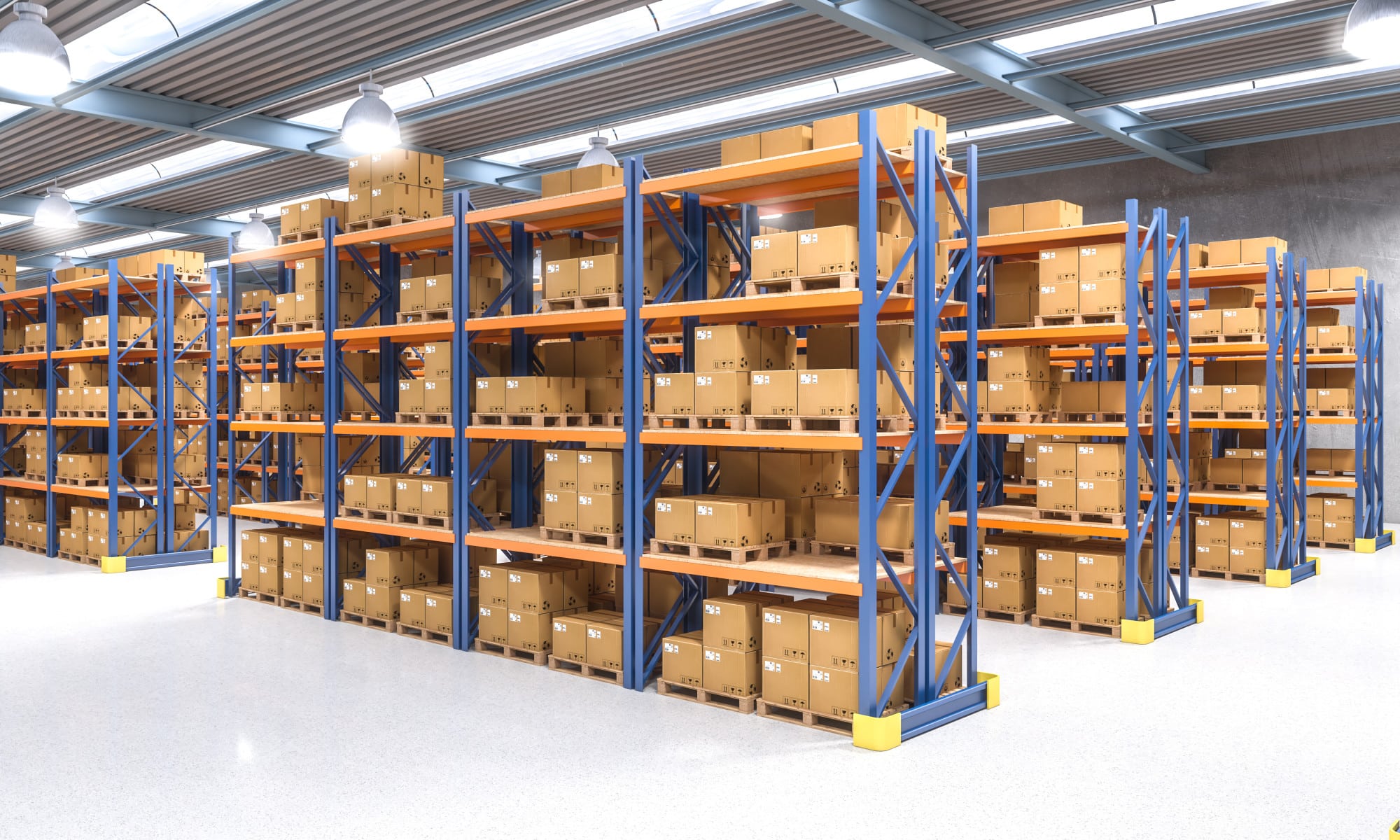
Warehouse racking is the backbone of efficient storage. By maximizing vertical space, it reduces footprint, speeds up order picking, and enhances safety. The correct system can cut labor costs and accident risks while improving inventory accuracy. However, the choice depends on several variables: inventory type, turnover rate, facility constraints, and budget.
Comparing Key Racking Types
Selective Pallet Racking
Most common for diverse SKUs and frequent rotation, selective racks allow direct access to every pallet, supporting FIFO (first-in, first-out) inventory management. They are easy to reconfigure and ideal for warehouses with high product variety.
Drive-In and Drive-Through Racking
Designed for large volumes of homogeneous goods, drive-in systems use LIFO (last-in, first-out), while drive-through allows FIFO. Both minimize aisle space, making them cost-effective for bulk storage of items like beverage pallets.
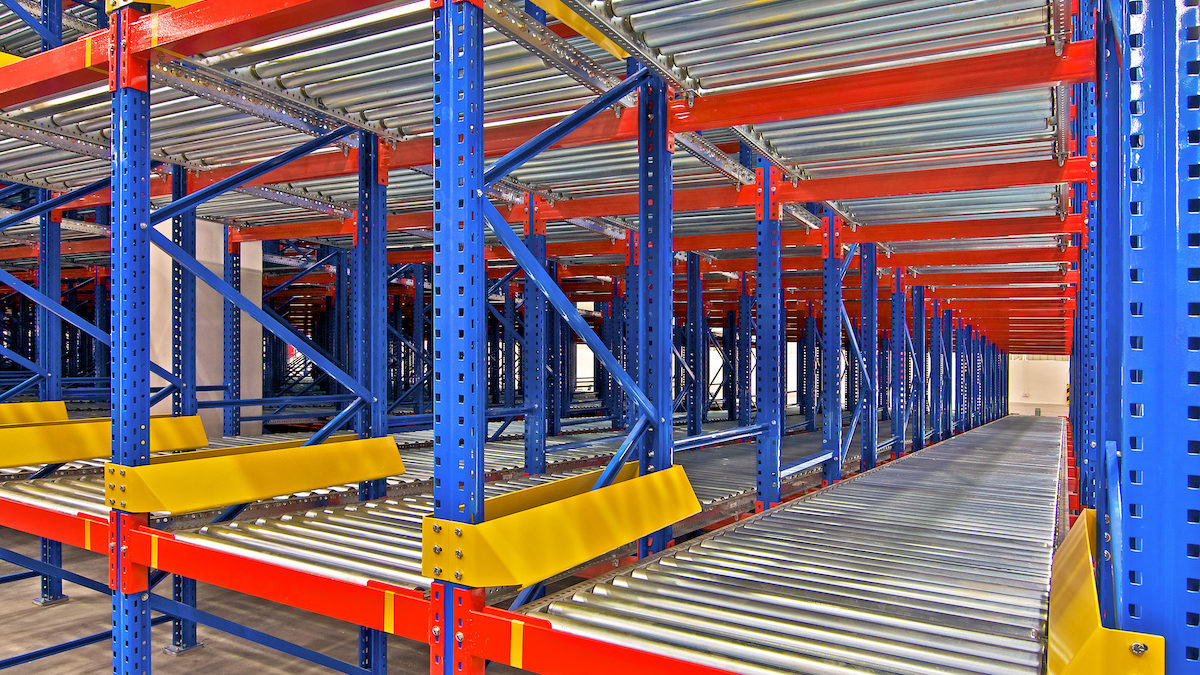
Pallet Flow Racking
Gravity-fed lanes automatically rotate stock using FIFO, perfect for perishables or time-sensitive goods. The system improves throughput by eliminating the need for forklifts to enter the rack structure.
Push-Back Racking
Uses inclined carts to move pallets deeper as new ones are added, applying LIFO for medium-turnover items. Each lane holds multiple pallets in a compact footprint.
Cantilever Racking
Built for long, irregular items like lumber, pipes, or furniture. Open-front design allows easy loading with forklifts or cranes.
Double Deep Racking
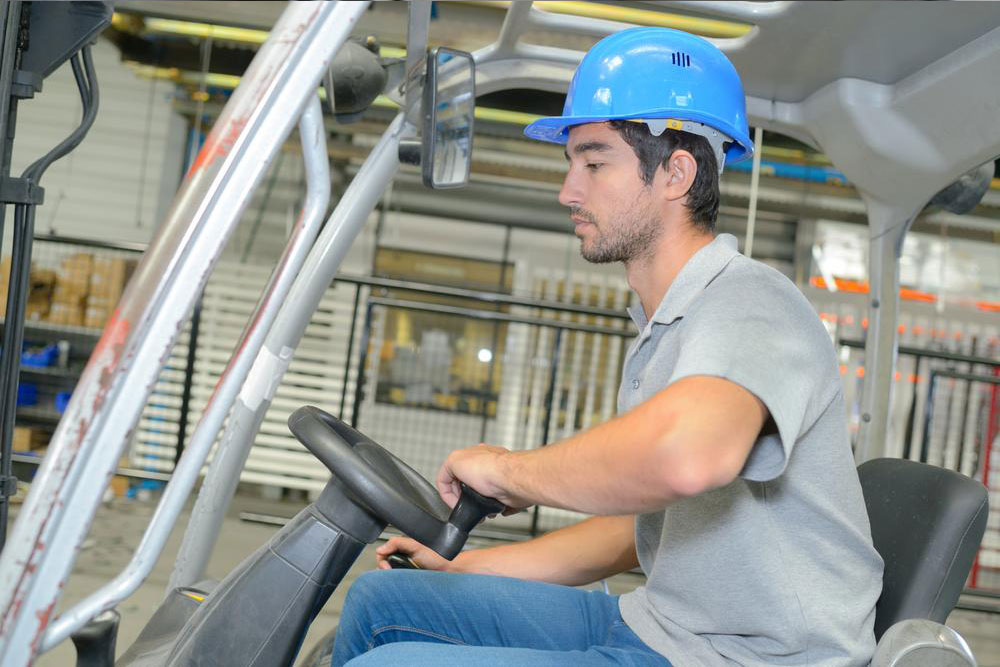
Stores pallets two deep, doubling density over selective systems. Requires reach trucks for access and suits higher-density storage with less variety.
| System | Best Use | Inventory Rotation |
|---|---|---|
| Selective Racking | Diverse SKUs, frequent picking | FIFO |
| Drive-In | Large homogeneous lots | LIFO |
| Drive-Through | Large homogeneous lots | FIFO |
| Pallet Flow | Perishables, time-sensitive | FIFO |
| Push-Back | Medium-turnover LIFO | LIFO |
| Cantilever | Long or irregular items | Any |
| Double Deep | High-density storage | FIFO/LIFO |
Decision Factors Beyond Weight Capacity
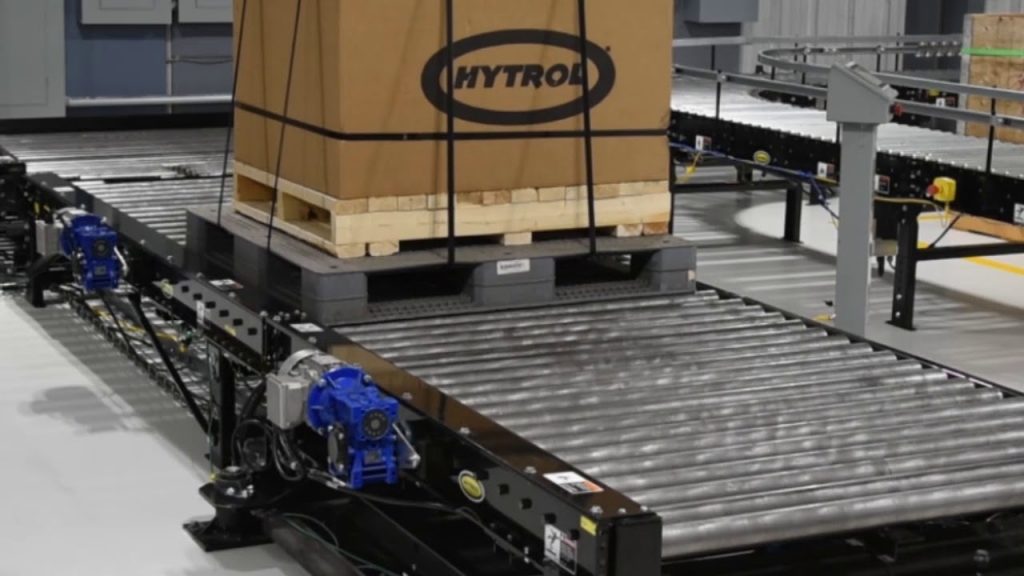
While load capacity matters, inventory turnover ratio—FIFO vs LIFO—is critical. Product dimensions, throughput requirements, and facility layout also influence the choice. In cold storage, mobile racking (which glides on tracks) reduces aisle space, cutting energy costs by up to 50%. Such systems integrate with AGVs and WMS for seamless automation. Sustainability goals also favor denser layouts, as they reduce the volume that must be cooled.
Racking Versus Shelving: When to Choose Each
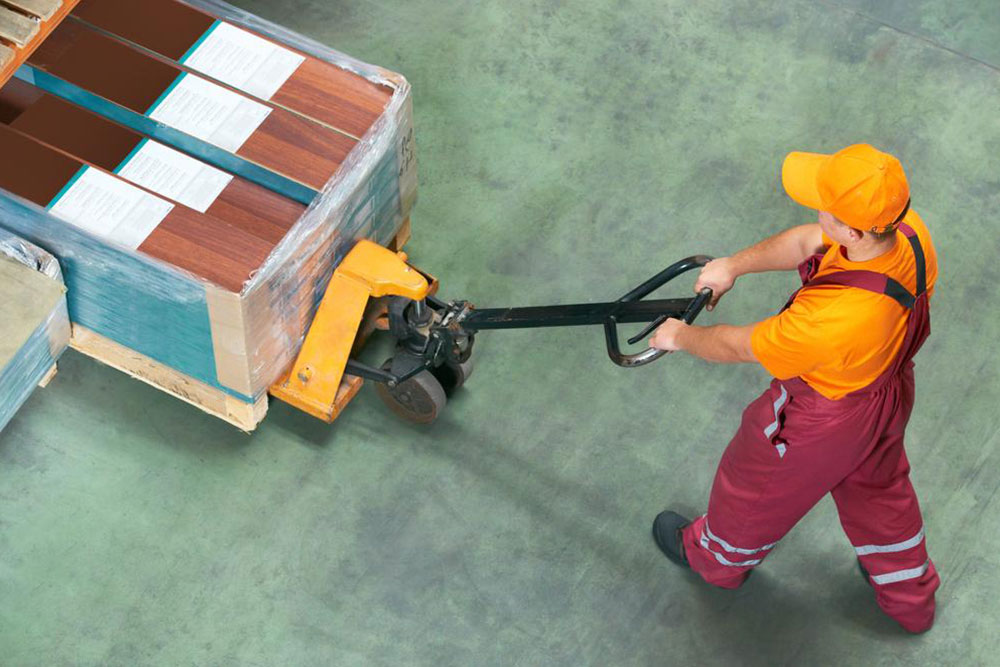
Pallet racking is designed for heavy, palletized loads handled by forklifts. Shelving suits lighter, manually picked items such as small parts. Many warehouses combine both: racking for bulk storage and shelving for fast-moving pick zones. Proper installation, anchoring, and clear labeling further enhance safety and productivity.
Frequently Asked Questions
What is the most common warehouse racking system? Selective pallet racking is the industry standard because it provides direct access to every pallet and adapts easily to changing inventory.
How does racking improve safety? By organizing inventory, eliminating unstable stacks, and reducing clutter, racking minimizes risks like pallet falls and forklift collisions. Clear labels and aisle markings aid quick retrieval.
Can mobile racking work in cold storage? Yes—mobile racking is especially advantageous in refrigerated environments because it maximizes density, reducing the cooled area and energy consumption. It also pairs well with automation for higher throughput.