Warehouse Racking Systems Guide: Types, Layout Design, and Load Capacities
Discover warehouse racking types, layout, and load capacities. Covers pallet, push-back, mobile systems.
Types of Warehouse Racking Systems
Pallet Racking
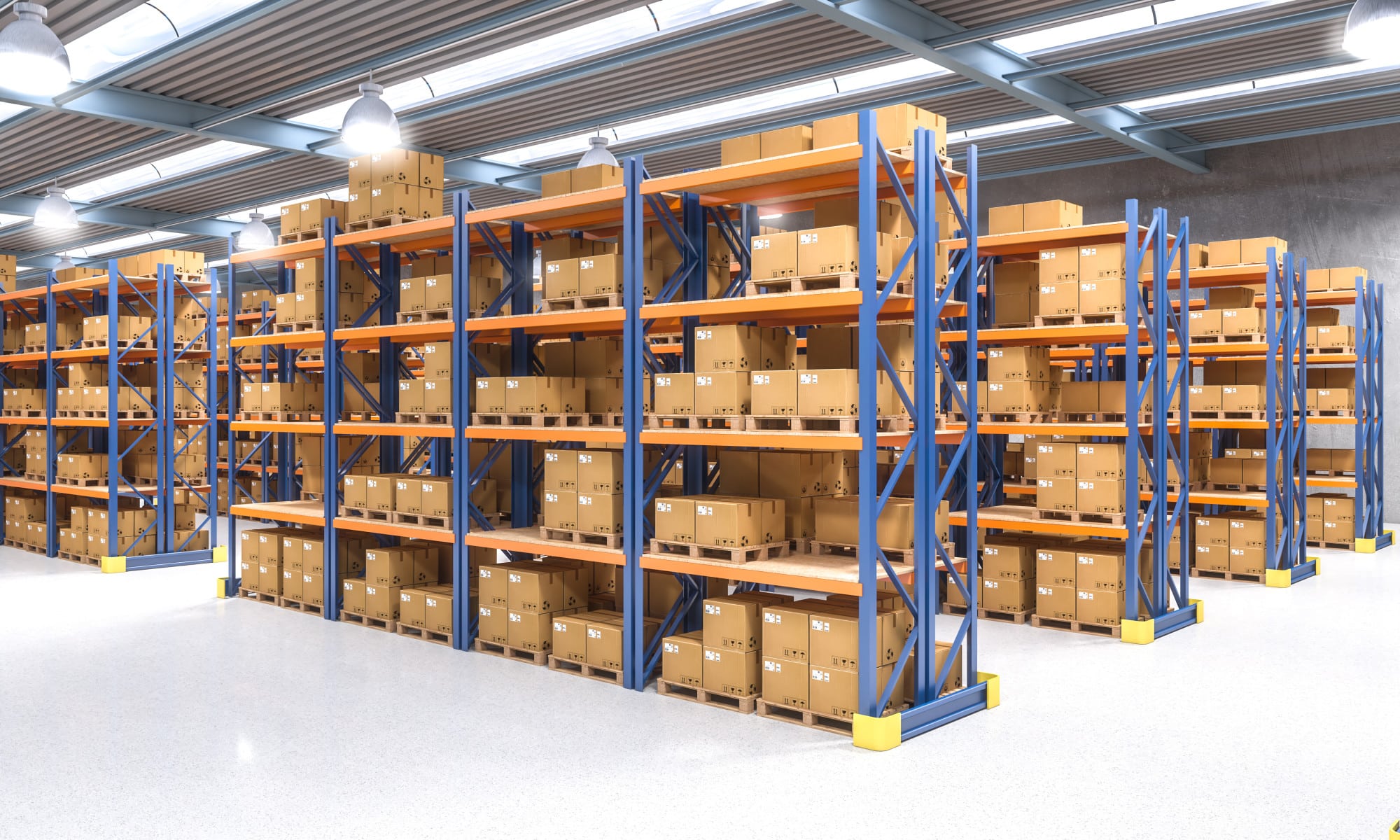
Selective pallet racking is the most widely used system, offering direct access to each pallet. It consists of upright frames and horizontal beams that create individual bays, making it ideal for high-turnover operations like grocery distribution.
High-Density Systems
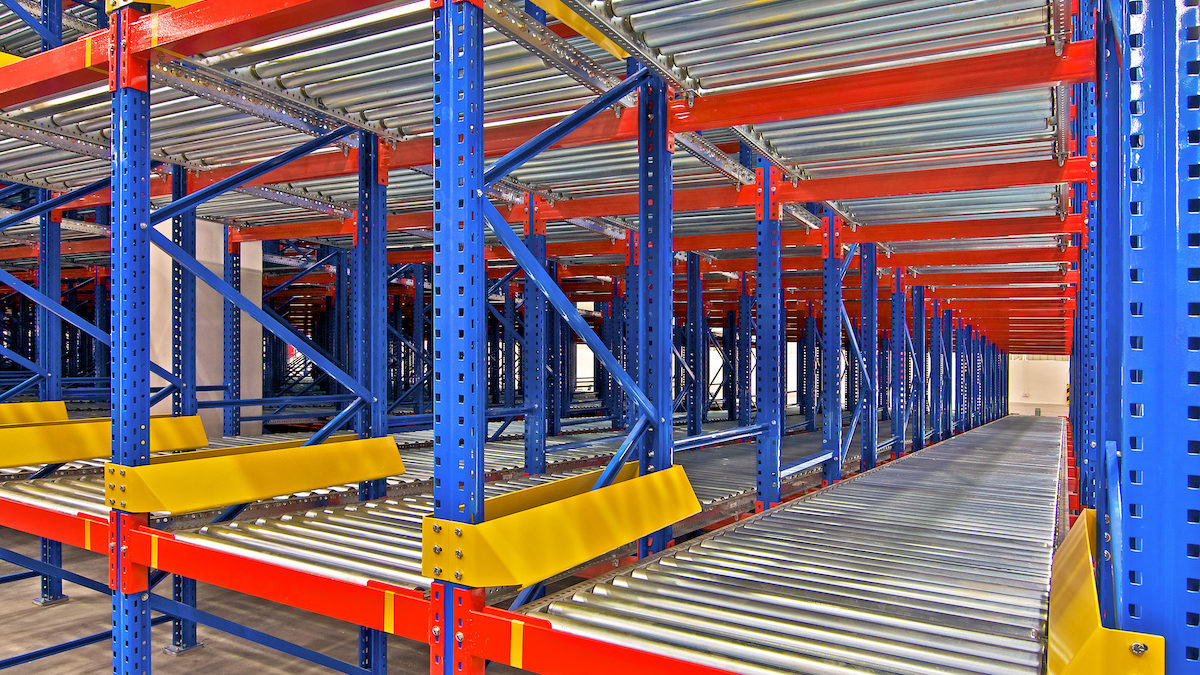
Push-back racking uses inclined tracks and carts; loading a new pallet pushes existing ones back, providing semi-selective access while boosting density—perfect for seasonal items like clothing. Mobile racking mounts racks on wheels or tracks, creating aisles only when needed, which maximizes space in cold storage or tight facilities.
Specialty Racking
Cantilever racking handles long, bulky items such as lumber or pipes, with arms extending from a vertical support for easy side loading. Mezzanine racking adds an extra storage level above ground, ideal for small parts or packaged goods without expanding the warehouse footprint.
The following table compares approximate space utilization increases over floor-level storage for various systems:
| Racking System | Space Utilization Increase |
|---|---|
| Selective Pallet Racking | 2–3 times |
| Drive-in Racking | 3–4 times |
| Push-back Racking | 3–5 times |
| Mobile Racking | 4–6 times |
Designing an Efficient Layout
Key Factors
Product characteristics—size, weight, and type—determine the best racking. Heavy items demand robust systems with wider forklift aisles, while light products can use denser configurations. Warehouse shape and ceiling height also influence layout; rectangular spaces suit linear arrangements, while square ones allow grid patterns. Taller ceilings enable more tiers.
Layout Principles
Aisle width must balance equipment safety and space use—typical forklift aisles are 3–4 meters. Zone allocation groups products by turnover or type, placing fast-moving items near shipping and receiving docks to reduce travel time.
Understanding Load Capacities
Weight Ratings
Pallet racking is engineered to specific weight limits based on upright thickness, beam strength, and material. Uniform load capacity refers to the maximum evenly distributed weight per shelf, often 1,000 kg per level.
Factors Affecting Capacity
Steel grade and configuration play major roles: more uprights and closer beam spacing increase capacity. Always consult manufacturer specifications for exact limits.
Choosing a Racking Supplier
Cost vs. Quality
Lower-priced systems may have shorter lifespans. For example, Manufacturer A offers a bay for $500 with a 5-year warranty, while Manufacturer B charges $700 with a 10-year warranty and better durability.
Customization
Suppliers vary in options—some offer varied beam lengths, upright heights, and colors, while others provide only standard sizes. Customization allows tailoring racks to specific inventory needs.
High-Density Performance
Space optimization differs among manufacturers. Push-back systems may achieve density increases ranging from 50% to 60%, and mobile racking designs can improve accessibility in dense environments.
Frequently Asked Questions
Q: How do I choose the right racking? Consider product type, warehouse layout, equipment, and budget. For heavy pallets, selective racking works; for tight spaces, push-back or mobile systems are better.
Q: What is the maximum weight capacity? Capacity depends on the system, material, and configuration. Selective pallet racking can hold from 500 kg to several tons per bay. Always verify with manufacturer specs.
References