Vertical Warehouse Automation: How Stacker Cranes, ASRS & AMRs Maximize Storage and Throughput
Discover how stacker cranes, ASRS, AMRs, and smart WMS software transform warehouses into high-density vertical hubs—boosting throughput, safety, and sustainability.
Why Warehouses Are Going Up
Rising e-commerce volumes and expensive land are forcing logistics operators to abandon sprawling single-level facilities. The solution lies in vertical automation—technologies like stacker cranes, automated storage and retrieval systems (ASRS), and autonomous mobile robots (AMRs) that convert cube space into productive storage. This article explores the core systems powering the vertical warehouse revolution and how they integrate to build a scalable, efficient supply chain.
Stacker Cranes and High-Bay Systems
Reaching New Heights
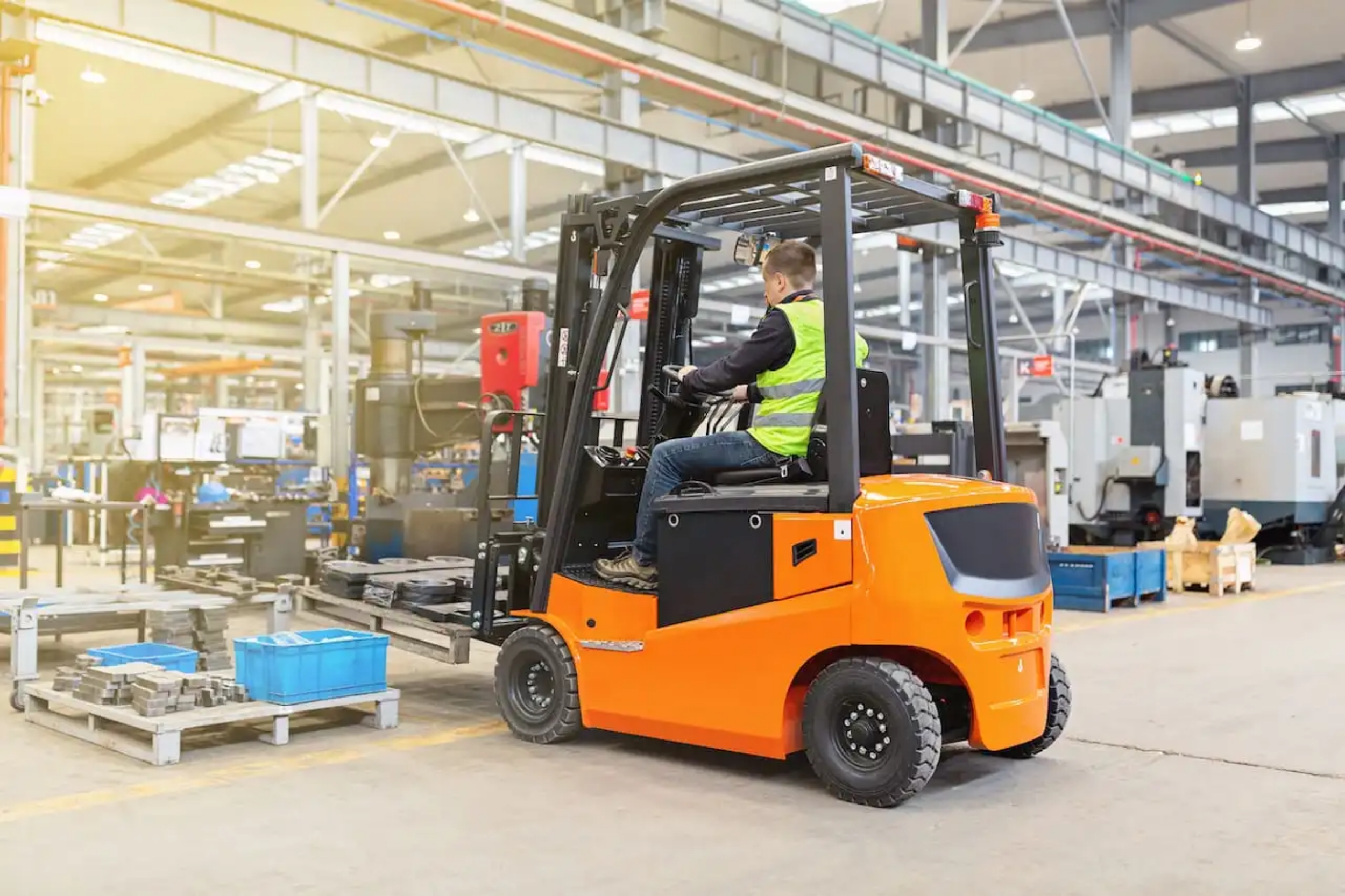
Automated stacker cranes travel on fixed rails within extremely narrow aisles, rising to heights over 40 meters—far beyond the reach of manual forklifts. By removing the need for wide turning space, these cranes increase storage density by up to 400% compared to traditional layouts. In high-bay warehouses, goods are retrieved swiftly and precisely, enabling 24/7 lights-out operation where orders are prepared overnight for morning dispatch.
Manual vs. Automated: A Performance Comparison
| Feature | Manual Forklift | Automated Stacker Crane |
|---|---|---|
| Aisle Width | 3–4 meters | 1–1.5 meters |
| Maximum Height | ~10 meters (safe limit) | 40+ meters |
| Operating Schedule | Shift-dependent | 24/7 (lights-out capable) |
| Safety Profile | Human-error risks | Controlled precision |
The consistent, error-free performance of automated cranes drastically cuts turnaround time and increases throughput, making them the backbone of modern high-density storage.
Architecture Designed for Automation
To support dense, vertical storage, warehouses now incorporate reinforced concrete slabs that handle concentrated loads from heavy cranes. Rack-supported buildings turn storage racks into structural components, saving steel and space. In cold-chain environments, automation thrives at sub-zero temperatures, eliminating the need for human comfort systems. This machine-centric approach lowers lighting and HVAC expenses, boosting both efficiency and sustainability.
Robots That Pick and Move
Soft Robotics for Mixed SKUs
Modern robotic arms equipped with soft grippers adapt to fragile or oddly shaped items without damage. Vision sensors recognize orientation and material in real time, adjusting grip pressure instantly. This precision is vital for e-commerce order fulfillment, slashing errors and speeding up throughput.
Autonomous Mobile Robots (AMRs)
Unlike older AGVs that relied on magnetic tape, AMRs navigate freely using LiDAR and digital maps. They can reroute around obstacles, interface with conveyors, and recharge autonomously. This flexibility allows warehouse layouts to be reconfigured without expensive infrastructure changes, bridging the gap between storage racks and shipping docks to ensure continuous material flow.
Software as the Central Nervous System
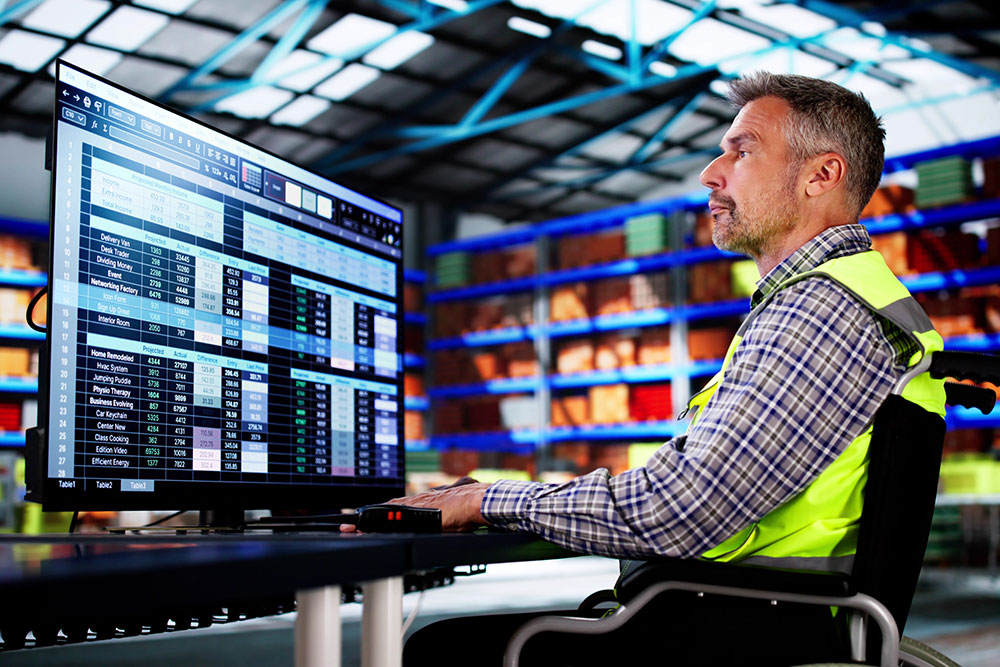
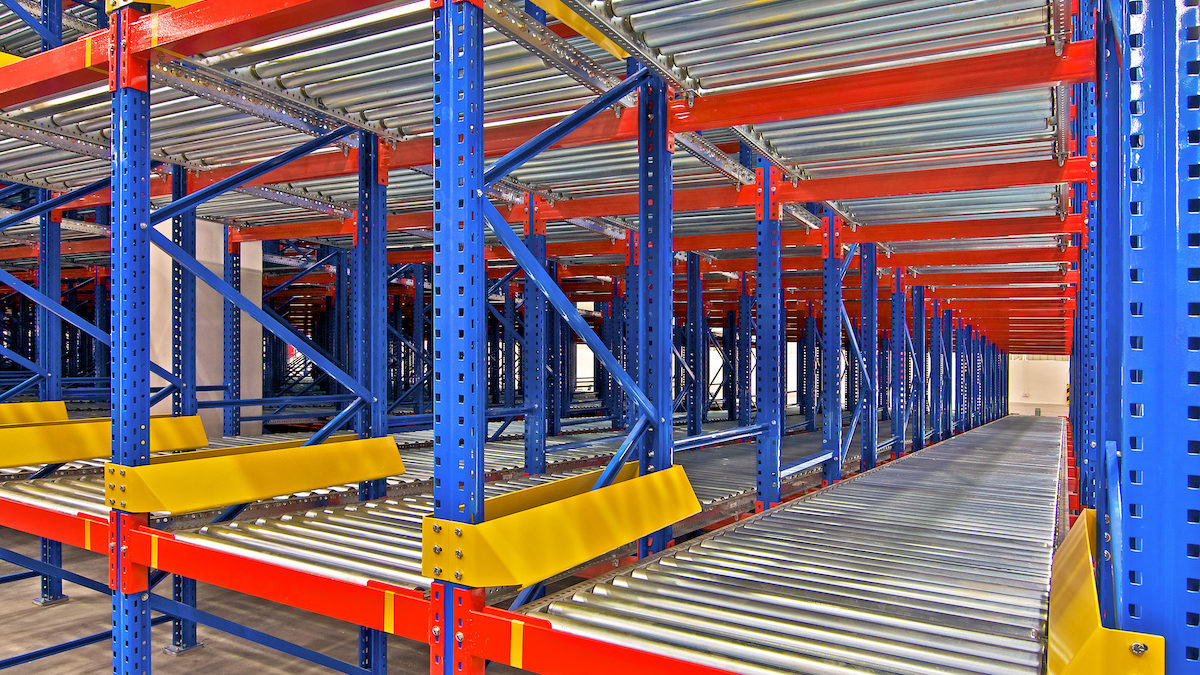
The Warehouse Management System (WMS) coordinates every automated component—stacker cranes, shuttles, and robots—in real time. It tracks each inventory movement, eliminating ghost stock and powering predictive analytics. By analyzing historical data, the WMS can pre-position high-demand SKUs before peak periods, transforming operations from reactive to proactive. Pallet shuttle systems, which run battery-powered carts inside racking channels, further increase density by removing aisles, while regenerative braking on cranes recaptures kinetic energy to cut power use. Condensing storage into a smaller footprint also reduces heating, cooling, and lighting needs, aligning operational gains with sustainability targets.
Frequently Asked Questions
What is the purpose of automated sorting systems in a warehouse?
Automated sorting systems rapidly identify and route items to their correct destinations, dramatically boosting both speed and accuracy—essential for high-volume e-commerce operations.
How does an ASRS stacker crane improve inventory control?
It offers real-time tracking, fast retrieval, and precise movement, reducing wait times and maintaining optimal stock levels to prevent overstock or stockouts.
What are the main benefits of high-bay stacker cranes?
They maximize vertical storage space, handle heavy loads safely at great heights, improve order fulfillment rates, and lower overall operational costs.