Dermatomyositis Guide: Early Signs, Symptoms, Diagnosis, and Treatment Options
Dermatomyositis is a rare autoimmune disease affecting skin and muscles. This guide covers early signs, symptoms, diagnosis, and treatments.

Overview of Dermatomyositis
Dermatomyositis is a rare autoimmune disorder that causes inflammation in both the skin and muscles. It falls under a group of conditions known as idiopathic inflammatory myopathies. While the precise trigger remains unclear, researchers believe the immune system mistakenly attacks healthy tissues. Genetic factors, environmental exposures, and possibly viral infections may contribute. This condition can affect individuals at any age, but it most commonly appears in adults between 40 and 60 years old and in children aged 5 to 15.
Early Signs and Symptoms
Recognizing dermatomyositis early can improve outcomes. The disease typically presents with distinct skin changes and progressive muscle weakness.
Skin Manifestations
Heliotrope Rash: A purplish discoloration around the eyes, often one of the first noticeable signs.
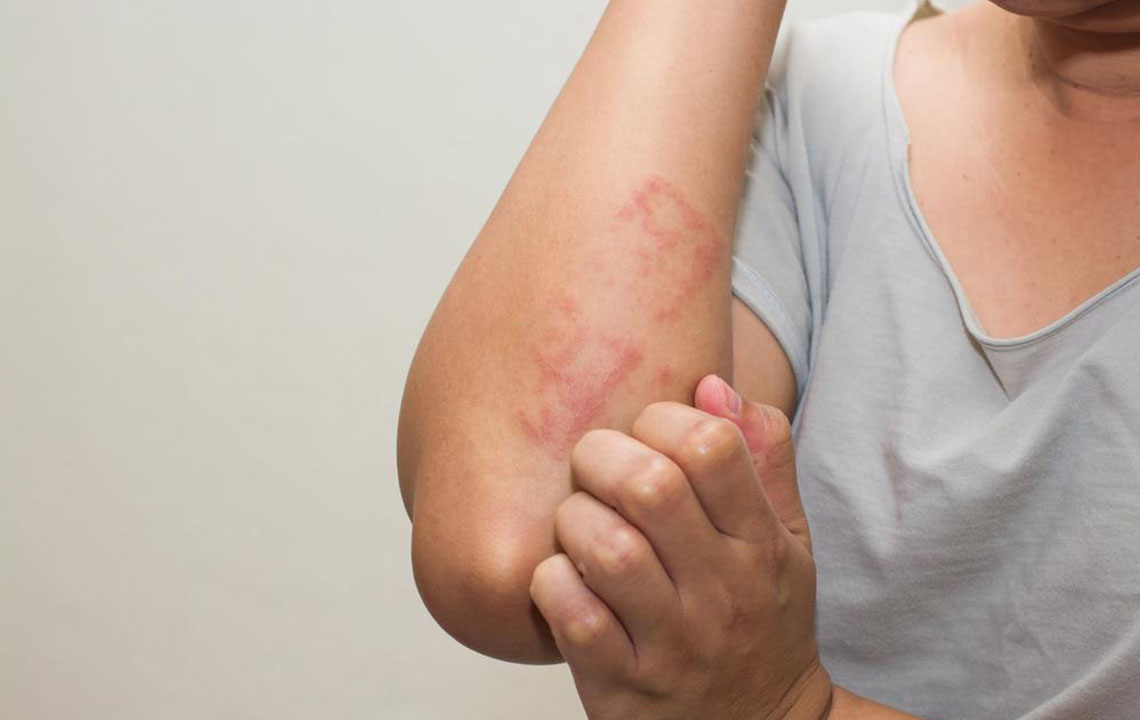
Gottron's Papules: Scaly red bumps over the knuckles, elbows, and knees—a hallmark of skin involvement.
Shawl Sign and V Sign: Rash on the upper back (resembling a shawl) and on the chest (V-shaped) that worsens with sun exposure.
Mechanic's Hands: Rough, cracked skin on the palms and fingers, similar to that of manual laborers.
Muscle Weakness
Proximal muscle weakness is the most prominent symptom. Patients often struggle with climbing stairs, rising from a chair, or lifting objects overhead. Unlike muscle pain, this weakness is progressive and significantly impairs daily activities.
Systemic Symptoms in Adults
In adults, systemic issues such as persistent fatigue, fever, and unintentional weight loss may occur. Fatigue can be debilitating. Joint pain and swelling, resembling arthritis, also appear and can give diagnostic clues.
Complications: Calcinosis
Calcinosis involves calcium deposits forming under the skin or in muscles. These deposits can be painful and lead to skin ulcers or infections. Patients should monitor for new lumps and report them to a healthcare provider promptly.
Diagnostic Approach
Diagnosis relies on a combination of clinical examination and tests:
Blood Tests: Elevated muscle enzymes (e.g., CK, aldolase) and specific autoantibodies (anti-Mi-2, anti-Jo-1).
Electromyography (EMG): Detects electrical abnormalities in muscles.
Muscle and Skin Biopsy: Confirms inflammation and characteristic changes.
MRI: Reveals muscle inflammation and edema.
Treatment and Management
Management requires a multidisciplinary approach to address both skin and muscle involvement.
Medications
Corticosteroids are first-line therapy to reduce inflammation. Immunosuppressants such as methotrexate or azathioprine help modulate the immune response. Biologic agents like rituximab may be used in resistant cases.
Physical Therapy
Tailored exercise programs help maintain muscle strength and prevent atrophy.
Skin Care
Sun protection is critical. Topical treatments and antimalarial drugs like hydroxychloroquine may be prescribed for rashes.
Monitoring and Support
Regular follow-ups are necessary. Support groups and counseling provide emotional assistance and help patients cope with the chronic nature of the disease.
Living with Dermatomyositis
Although dermatomyositis is a chronic condition, many patients manage symptoms effectively with treatment and lifestyle adjustments. A balanced diet, regular physical activity, and avoiding smoking support overall health. Close collaboration with healthcare providers is key to optimizing outcomes and maintaining quality of life.