Complete Guide to Bone Density: Prevention, Treatments & Expert Advice
Understand bone density, T-scores, and how to prevent or treat osteoporosis. Expert guide covers lifestyle, medications, and specialist care.
Understanding Bone Density and Why It Matters
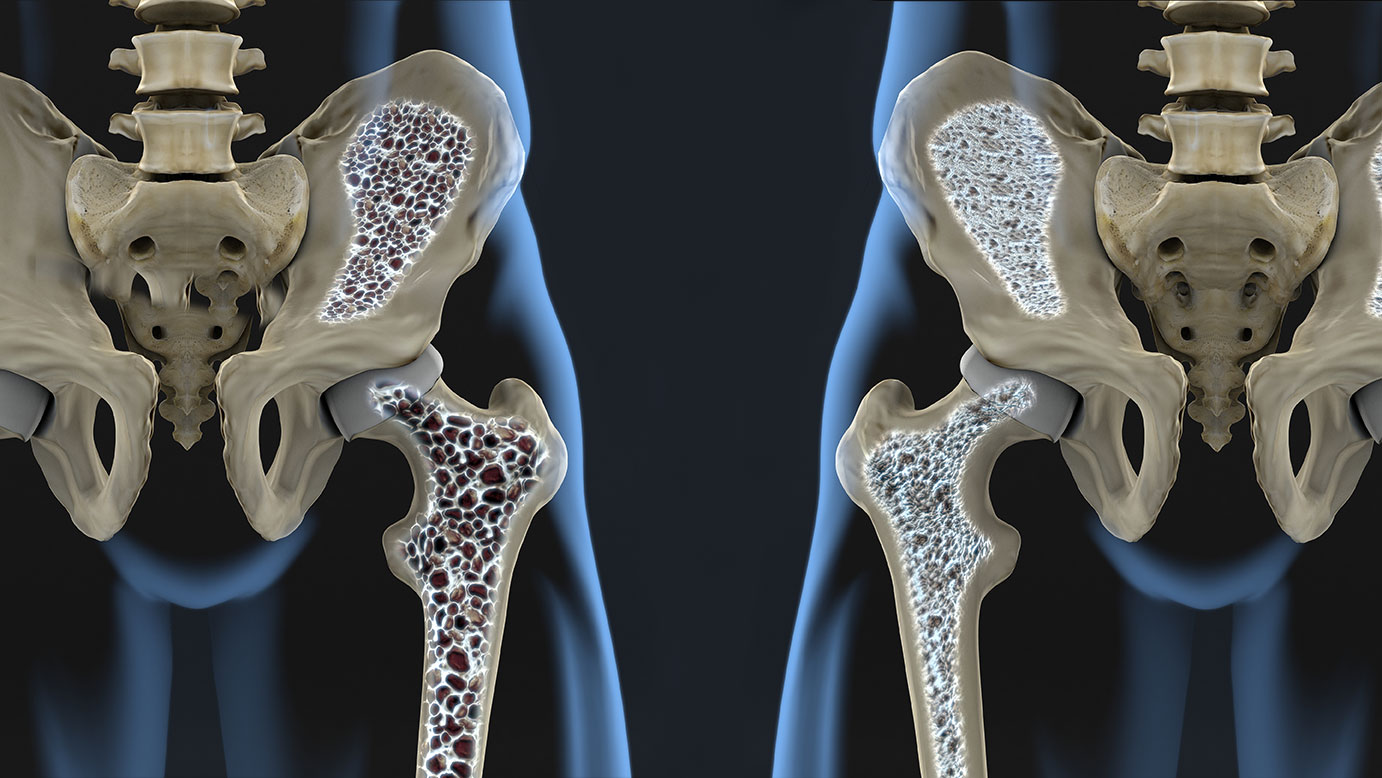
Bone density measures the mineral content in bones per square centimetre, reflecting skeletal strength. As people age, density declines, raising the risk of osteoporosis—where bones become weak and prone to fractures. A DXA scan produces a T-score: normal (-1.0 or above), osteopenia (-1.0 to -2.5), or osteoporosis (-2.5 or below). Early detection through regular screening is vital.
Risk Factors and Causes of Bone Loss
Bone deterioration results from aging (peak mass in 20s, accelerated loss after menopause), hormonal shifts (especially oestrogen decline), nutritional shortfalls (calcium, vitamin D), sedentary lifestyle, medical conditions (rheumatoid arthritis, hyperthyroidism, coeliac disease), long-term medication use (corticosteroids, anticonvulsants, proton pump inhibitors), and genetic factors. Screening is recommended for women over 50 and men over 60.
Diagnosis and Screening: DXA Scans
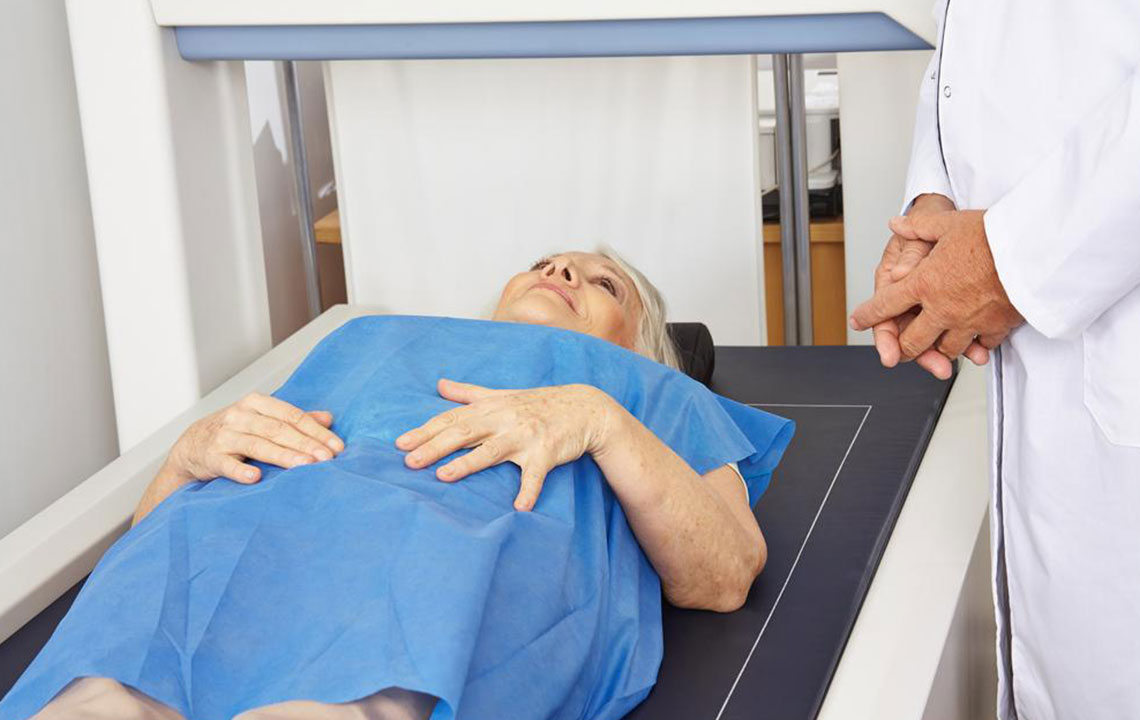
A dual-energy X-ray absorptiometry (DXA) scan compares your bone mineral density to that of a healthy young adult. Baseline testing is advised for women ≥65 and men ≥70, or earlier if risk factors exist. Follow-up tests every two years help track changes and guide treatment.
Lifestyle and Dietary Measures for Strong Bones
Exercise
Weight-bearing activities (walking, jogging, strength training) stimulate bone growth and improve density. Balance exercises reduce fall risk.
Nutrition
A diet rich in calcium (dairy, leafy greens, fortified foods), vitamin D (sunlight, supplements, fatty fish), magnesium, and protein supports bone health. Limit smoking and alcohol intake.
Supplements
Calcium and vitamin D supplements help when dietary intake is insufficient. Always discuss dosage with a healthcare provider.
Medications and Advanced Therapies
Bisphosphonates
Drugs like alendronate (Fosamax) and risedronate (Actonel) slow bone resorption, taken weekly or monthly. Common side effects include gastrointestinal issues.
Denosumab (Prolia)
An injection every six months that inhibits a protein driving bone resorption; effective for postmenopausal women. Side effects may include skin infections.
Teriparatide (Forteo)
Stimulates new bone growth, used daily for severe osteoporosis or high fracture risk. Rare risk of osteosarcoma with prolonged use.
Romosozumab (Evenity)
Monthly monoclonal antibody that promotes bone formation and reduces resorption, approved for one year. Possible side effects: joint pain.
Other Options
Strontium ranelate (Protos), more common in Europe, stimulates formation and reduces breakdown. Side effects include headaches and joint pain. Hormone replacement therapy (HRT) can help postmenopausal women but requires careful discussion.
Osteopenia: Marginal Bone Loss That Needs Attention
Osteopenia—borderline low density—is not osteoporosis but increases fracture risk if unmanaged. Risk factors mirror those of osteoporosis. Preventive measures: calcium‑rich diet, vitamin D, weight‑bearing exercise, avoiding smoking and heavy drinking. Regular monitoring prevents progression.
Can You Rebuild Bone Density?
Yes, through consistent lifestyle changes, adequate calcium and vitamin D, targeted exercise, and medications like bisphosphonates or teriparatide when needed. HRT may aid postmenopausal women. Bone density tests every two years track progress.
Specialists Who Manage Bone Health
Endocrinologist
Manages hormonal imbalances, monitors oestrogen, testosterone, parathyroid hormone, and coordinates treatment with rheumatologists and orthopedic surgeons.
Rheumatologist
Addresses autoimmune conditions affecting bone, prescribes medications, and monitors side effects.
Orthopedic Surgeon
Performs vertebroplasty or kyphoplasty for vertebral fractures and recommends rehabilitation.
Physical Therapist
Designs exercise programs to improve strength, balance, and flexibility, reducing fall risk.
Frequently Asked Questions
What diet best supports bone health? A diet rich in calcium, vitamin D, magnesium, and protein—dairy, fish, nuts, seeds, leafy greens, and antioxidant‑rich fruits—promotes bone strength.
How often should I get a bone density test? Baseline at 65 (women) or 70 (men), or earlier with risk factors. Follow‑up every two years.
Can I improve bone health without medication? Yes—regular exercise, proper nutrition, vitamin D from sunlight, no smoking, limited alcohol, good posture, and healthy weight.
Can men get osteoporosis? Absolutely, especially with low testosterone, smoking, heavy alcohol, or conditions like prostate cancer. Men should monitor bone density.
How does exercise help? Weight‑bearing and resistance exercises stimulate bone formation, strengthen existing bone, and improve balance to prevent falls.
Comparison of Common Bone Density Treatments
| Treatment Type | Mechanism | Frequency | Common Side Effects |
|---|---|---|---|
| Bisphosphonates | Slows bone resorption | Weekly/Monthly | Gastrointestinal issues |
| Denosumab | Inhibits osteoclast formation | Every 6 months | Skin infections |
| Teriparatide | Stimulates new bone growth | Daily | Leg cramps |
| Romosozumab | Promotes formation & reduces loss | Monthly | Joint pain |
| Strontium Ranelate | Stimulates formation & reduces breakdown | Daily | Headaches, joint pain |
Consult a healthcare provider before starting any treatment.