Comprehensive Guide to Freezing Corn for Optimal Long-Term Preservation
This comprehensive guide explores effective techniques for freezing corn, including freezing without blanching, freezing individual kernels, and blanching for long-term storage. Discover tips for preserving flavor, texture, and color, ensuring you enjoy fresh-tasting corn year-round. Ideal for home gardeners and food enthusiasts, these methods help maximize the quality of frozen corn, whether for short-term use or extended storage. Learn the best practices to keep your corn delicious and ready for quick meal preparation anytime.
Comprehensive Guide to Freezing Corn for Optimal Long-Term Preservation
Freezing fresh corn is an excellent way to extend its shelf life while maintaining the delicious flavor and appealing texture. Whether you're a home gardener looking to preserve your harvest or a busy individual wanting ready-to-use corn for future recipes, understanding the best freezing techniques is essential. Proper freezing not only retains the natural sweetness and vibrant color of the corn but also ensures you can enjoy the taste of summer even during the coldest months. In this comprehensive guide, we'll explore various effective methods for freezing corn, including the pros and cons of each, to help you choose the best approach suited to your needs.
There are primarily two popular methods for freezing corn: freezing without blanching and freezing after blanching. Each method has distinct advantages and considerations, and the choice depends largely on how you intend to use the corn later, the time you can dedicate to preparation, and the storage duration. Let's delve into each of these techniques in detail.
Freezing Corn Without Blanching: A Quick and Easy Method
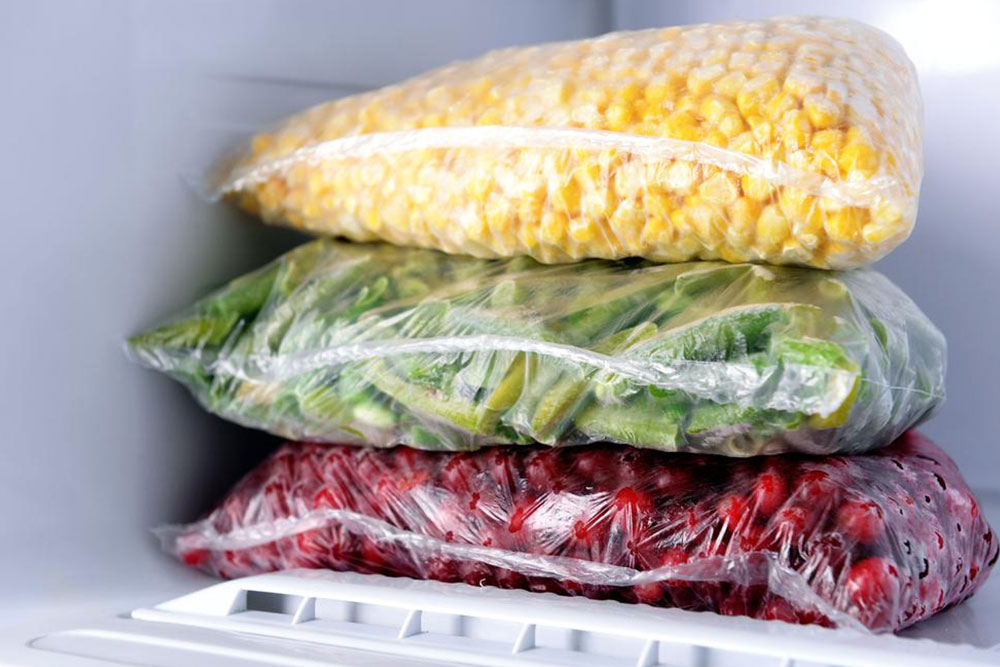
This method is favored by those seeking a fast and straightforward way to store corn. It involves removing the husks and silks from the corn cob, then placing the whole cob or individual kernels directly into freezer-safe bags or containers. Once sealed properly, these are stored in the freezer for future use. This approach is particularly convenient for those who prioritize saving time and effort. However, it’s worth noting that freezing without blanching may impact the texture and shelf life, making it better suited for short-term storage.
Although quick, one drawback is that later on, it can be labor-intensive to remove individual kernels from frozen cobs, especially if you want to add just a handful to salads or stir-fries. To ease this, some prefer to cut the kernels off the cob before freezing, which brings us to the next technique.
Freezing Corn Kernels Separately Without Blanching
This method involves removing kernels from the cob prior to freezing. Using a sharp knife, carefully cut the kernels off the cob and spread them on a baking sheet lined with parchment paper. Freezing the kernels individually on the sheet prevents them from sticking together, making it easier to measure out portions later. Once the kernels are frozen solid, transfer them to airtight containers or freezer bags, removing excess air to avoid freezer burn. This technique preserves the natural flavor, texture, and vibrant color of each kernel, making it highly convenient for quick usage in salads, salsas, or cooking preparations.
One significant advantage is that you can opt to freeze just what you need, reducing waste and eliminating the need to thaw entire cobs. Plus, the kernels remain easy to portion and use directly from the freezer, saving time during meal prep.
Freezing Corn After Blanching: Preserving Quality for Long-Term Storage
Blanching is a cooking process where the corn is briefly boiled in water or steamed, then rapidly cooled in ice water. This step deactivates enzymes responsible for deterioration, effectively preserving flavor, color, and texture. Blanching is highly recommended for those planning to store corn for extended periods, as it significantly improves shelf life and maintains the corn's quality over months.
To blanch corn, bring a large pot of water to a boil, then add the husked or stripped kernels. Boil for a few minutes—typically 4 to 6 minutes—then transfer the corn immediately into an ice bath to halt cooking. Once cooled, drain well and pat dry. Pack the blanched corn into airtight freezer bags or containers, removing as much air as possible before sealing. Label the packages with the date to keep track of storage time.
Frozen after blanching, corn tastes fresher and retains its natural sweetness, making it ideal for cooking or eating directly from the freezer. This method does require more preparation time but offers superior preservation, making it the preferred choice for those who want the best quality long-term storage.
In conclusion, selecting the right freezing technique depends on your specific needs—whether you prioritize speed and convenience or long-term preservation and quality. Freezing without blanching can be suitable for short-term storage and quick use, while blanching provides superior preservation for extended storage durations. Additionally, freezing individual kernels offers flexibility for portion control and easy incorporation into various dishes.
By mastering these methods, you can enjoy farm-fresh corn throughout the year, saving money and reducing food waste. While each approach has its pros and cons, understanding your intended usage and storage preferences will help you choose the most effective strategy for freezing corn. Proper packaging, labeling, and storage are equally important to maintain the quality and flavor of your frozen corn over time.