Comprehensive Guide to Foot Corns: Causes, Prevention, and Effective Treatments
Foot corns are thickened skin patches caused by friction and pressure, often from poorly fitted shoes. This comprehensive guide explains types, causes, prevention, diagnosis, and effective treatments, including home remedies and medical options. Understanding how to care for foot health can prevent discomfort, infections, and deformities, ensuring comfortable movement and foot wellbeing for individuals of all ages.
Understanding Foot Corns and Effective Strategies for Treatment
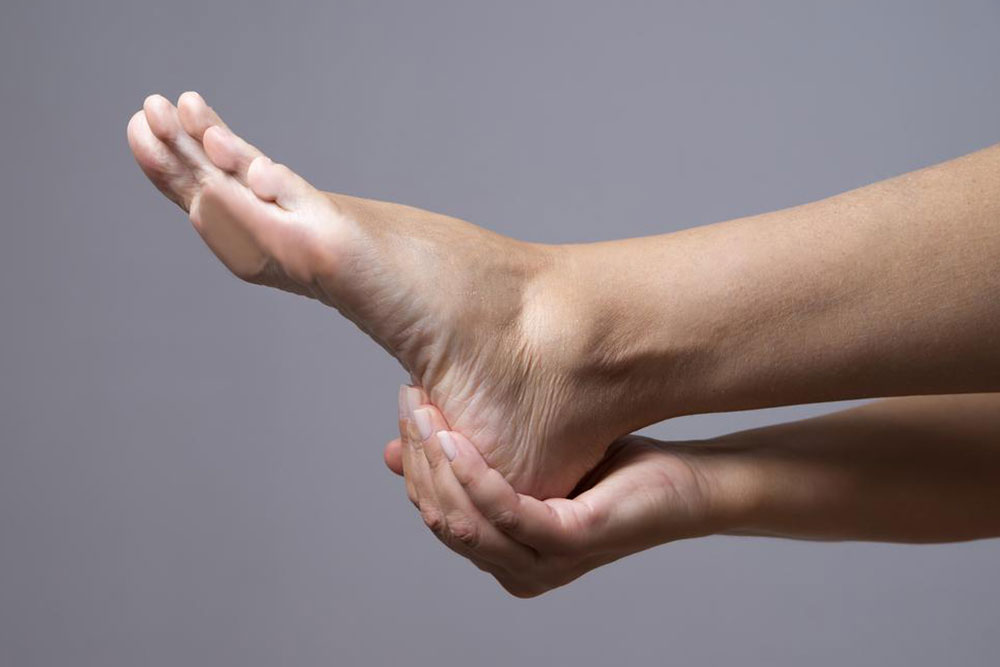
Foot corns and calluses are common skin thickening issues that develop as a response to prolonged pressure, friction, or rubbing on the skin. These hardened patches of skin can occur anywhere on the feet, often forming on areas subjected to repetitive pressure. While generally benign, foot corns can cause significant discomfort, especially when walking or standing for extended periods. If overlooked, they might become painful, infected, or lead to skin ulcers, which are particularly concerning for individuals with diabetes or circulatory problems.
The medical term for corns is "heloma," and these are specialized types of calluses that develop in response to chronic irritation. These patches consist mainly of dead skin cells that form a hardened, often rounded or conical shape. Corns are typically found on the tips of toes or on areas of the fingers where the skin is thin and hairless. The concentrated pressure at these points can damage the underlying tissues, increasing the risk of secondary complications like ulcers.
Foot corns develop primarily in two distinct types based on their location and characteristics:
• Heloma durum (hard corns): This type forms on dry, flat, and toughened areas of the skin, resulting in thick, hardened patches that are often painful when pressure is applied.
• Heloma molle (soft corns): Form between toes where the skin remains moist, soft, and tender, often causing discomfort and sometimes leading to skin irritation or bleeding.
Additional varieties of calluses include:
General callus — loose patches of dead skin that can appear anywhere on the foot, usually due to friction or repeated rubbing.
Seed corn — small, painful growths typically on the heel, often resembling tiny seeds beneath the skin.
Thickened patches on the top of toes — hard corns that can cause discomfort when wearing shoes.
Soft corns between toes — red, tender patches that may itch or cause burning sensations.
Plantar calluses — thickened areas on the sole or bottom of the foot, which can impair walking if untreated.
What Causes Foot Corns?
The primary cause of corns is ill-fitting footwear that exerts excessive pressure or causes persistent friction. Tight shoes squeeze various parts of the foot, encouraging tissue thickening as the skin adapts to the pressure. Conversely, loose shoes allow the foot to slide within the footwear, resulting in constant rubbing that stimulates callus formation. High-heeled shoes increase pressure on the toes and ball of the foot, often leading to corns. Walking barefoot inside shoes or wearing sandals without socks can also contribute to corn development, especially if the footwear is incompatible or poorly fitted. Additionally, foot deformities such as bunions, hammertoes, or other structural abnormalities can predispose individuals to corns due to uneven pressure distribution.Tips for Prevention
Prevention is often simpler and more effective than treatment. Choosing well-fitted footwear that accommodates the natural shape of the foot is essential. Shoes should have ample space in the toe box, avoid pointed toes and high heels, and support the arch. Using socks to reduce friction and absorb moisture can help prevent the skin from becoming damaged. It is recommended to shop for shoes later in the day when feet are slightly swollen and at their largest, ensuring a better fit. Using cushioning pads, insoles, or heel grips can also distribute pressure more evenly, minimizing the chance of corns forming.Recognizing Signs and Symptoms
It's important to be alert to early indicators of corns and calluses. Look for areas of hardened, dry, rough skin that may feel tender or painful when pressure is applied. You might notice dryness or peeling in the affected areas, and sometimes there may be redness or swelling. Discomfort while walking or wearing shoes is a common sign. If a corn is infected, symptoms can include increased redness, warmth, pus, or severe pain.Diagnosis and Medical Consultation
If you observe persistent or painful corns, especially if there's infection or if you have underlying conditions such as diabetes or circulatory issues, consult a healthcare professional. Proper diagnosis helps determine the type of corn and appropriate treatment. Avoid attempting self-treatment, particularly for diabetics or those with compromised circulation, to prevent infections or complications.Effective Treatment Options
Most corns will reduce in size once the source of pressure or friction is eliminated. For persistent or painful cases, medical intervention may be necessary. Common treatments include the use of medicated salicylic acid patches or liquids designed to soften and peel away thickened skin. In some cases, minor procedures, such as trimming or debriding the corn under sterile conditions, are performed by healthcare professionals. Surgical removal is rare but may be considered for stubborn plantar calluses or severe deformities. It’s important to note that even after removal, corns may recur if underlying pressure issues aren’t addressed.Antibiotics may be prescribed if the corn is infected, accompanied by drainage if pus is present.
Moisturizers and emollients can help keep the skin soft, decreasing the likelihood of new corns forming.
Over-the-counter medications with salicylic acid are effective but should be used cautiously, especially by diabetics or those with sensitive skin.
Surgical procedures to remove plantar calluses are available but should be performed by healthcare professionals and are usually considered when conservative treatments fail.
Home Remedies and Self-Care
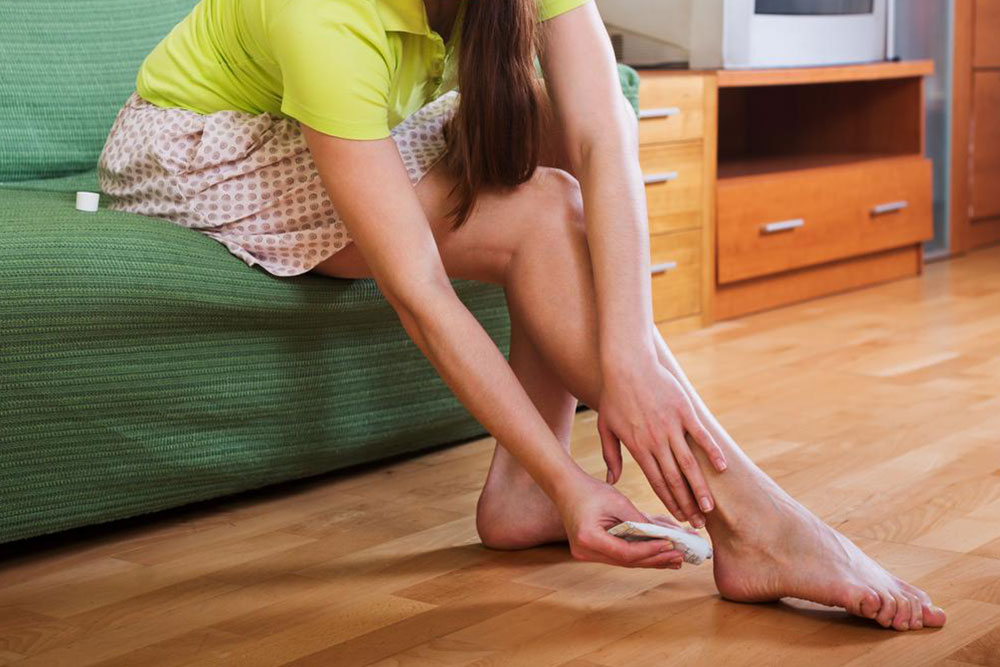
Regularly using a pumice stone or foot file can help gently remove dead skin and reduce the size of corns.
Baking soda scrub can aid in exfoliating dead skin when rubbed onto affected areas.
Lemon slices can be bound over the corn to provide natural relief and antimicrobial benefits.
White vinegar, with its acidic and antifungal properties, softens corns and helps prevent secondary infections.
Garlic has natural antibacterial and antifungal effects, and applying crushed garlic to the area can assist healing.
Additional Preventive Tips
To further reduce the risk of foot corns, consider the following: Wear shoes that fit properly and support the foot's natural contours; utilize cushioning pads and insoles to distribute pressure evenly; avoid pointed-toe shoes and high heels that place excessive stress on toes; wear moisture-wicking socks to reduce skin irritation; and consider applying foam or gel padding in areas prone to pressure, such as the heel or ball of the foot. Maintaining good foot hygiene and inspecting your feet regularly can help catch early signs of corns and prevent complications.