Comprehensive Guide to Freezing Corn for Freshness and Optimal Storage
Learn how to freeze corn effectively with expert tips on preparing, blanching, and storing both whole cobs and kernels. This comprehensive guide ensures your frozen corn retains its flavor, texture, and nutritional value for up to a year. Discover best practices for maximizing freshness and easy usage in various recipes, perfect for home cooks wanting year-round delicious corn supplies.
Comprehensive Guide to Freezing Corn for Freshness and Optimal Storage
Freezing corn is an excellent way to enjoy fresh-tasting corn well beyond its natural season and ensure you have a reliable supply for cooking and snacking all year round. Whether you’re harvesting from your garden or buying in bulk at the store, understanding the best practices for freezing corn is essential to preserve its flavor, texture, and nutritional value. This detailed guide explores the different methods, tips, and tricks to effectively freeze corn, whether it’s whole on the cob or kernels that are cut off, and how to store it properly to maximize shelf life and quality.
Is Freezing Whole Corn Cobs a Good Choice?
Freezing entire corn cobs is a common method, especially when you want to preserve the natural form of fresh sweet corn. However, while it’s a straightforward process, there are some considerations to keep in mind. Freezing whole cobs without blanching can result in a slightly less desirable texture and flavor upon thawing. The key issue is that the enzymes present in raw corn are still active, which can lead to mushiness and flavor degradation. If you plan to use the cobs primarily for boiling or grilling, freezing them intact is still feasible, but for the best results, blanching is recommended. Additionally, frozen cobs tend to be more difficult to separate into individual kernels later, which might pose a convenience challenge when preparing dishes like salads or salsas.
Difference Between Freezing Sweet Corn and Other Varieties
Sweet corn, which is most commonly enjoyed fresh, benefits significantly from an initial blanching process before freezing. Blanching involves briefly boiling the corn cobs or kernels in boiling water—usually around 4-6 minutes for small quantities—followed by rapid cooling to halt the cooking process. This step is crucial because it inactivates enzymes that lead to flavor and texture deterioration, preserving the sweet, crisp qualities of the corn. Regular or field corn used for livestock feed or processed foods is less sensitive to enzyme activity and doesn’t require as rigorous blanching. For home chefs and food lovers, blanching sweet corn ensures that the frozen kernels retain their vibrant flavor and firm texture, making them ideal for a variety of recipes such as salads, soups, or roasting.
Best Practices for Freezing Corn in Terms of Storage Duration
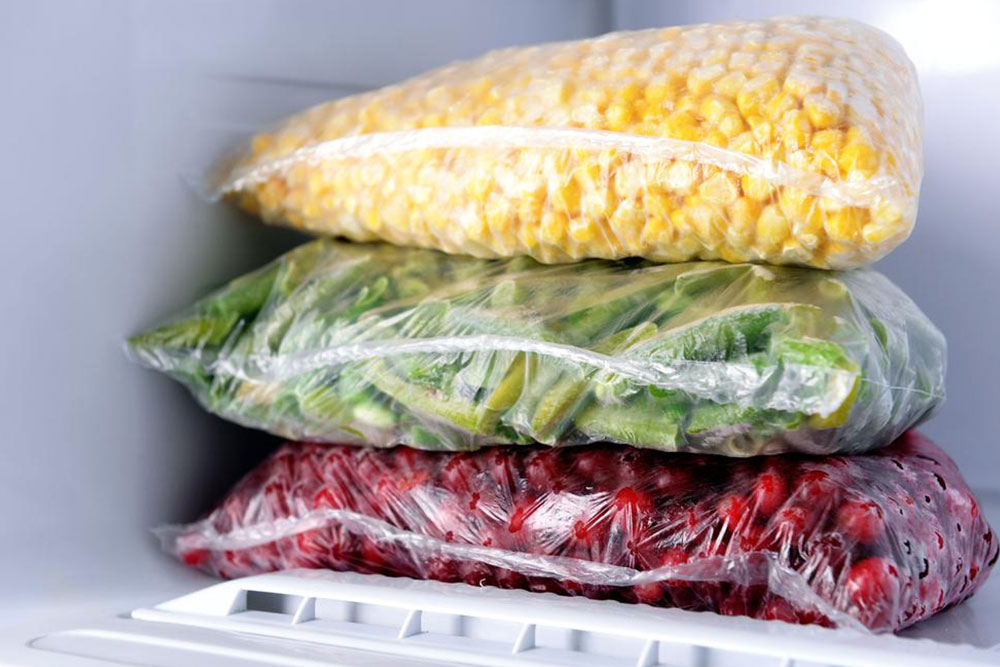
Proper storage is key to maintaining the quality of frozen corn. Once blanched and cooled, the corn should be dried thoroughly to prevent ice crystals from forming. Vacuum sealing or removing excess air using airtight containers helps avoid freezer burn and preserves the flavor profile. When stored correctly, frozen corn can retain its high quality for 8-12 months, although optimal flavor is usually enjoyed within the first six months. It’s advisable to label packages with the freezing date to track freshness. When you’re ready to use the frozen corn, do not thaw it at room temperature to prevent microbial growth; instead, cook directly from frozen by boiling, steaming, or grilling, depending on your recipe, to ensure food safety and best results.
In conclusion, freezing corn is a simple yet effective way to enjoy this versatile vegetable year-round. The key to successful freezing lies in proper preparation, blanching, and storage techniques. Whether you prefer to freeze whole cobs or individual kernels, following these expert tips will help you preserve the natural sweetness, flavor, and texture of corn, making your dishes tastier and more enjoyable no matter the season.