Comprehensive Home Remedies for Treating Foot Corns Effectively
Discover effective and natural home remedies to treat foot corns safely. From soaking and exfoliating to using household ingredients like lemon and vinegar, learn how to reduce and eliminate corn patches. Maintain healthy feet with supportive footwear and proper hygiene. Perfect for those seeking affordable, non-invasive solutions for foot discomfort, these tips promote faster recovery and lasting relief.
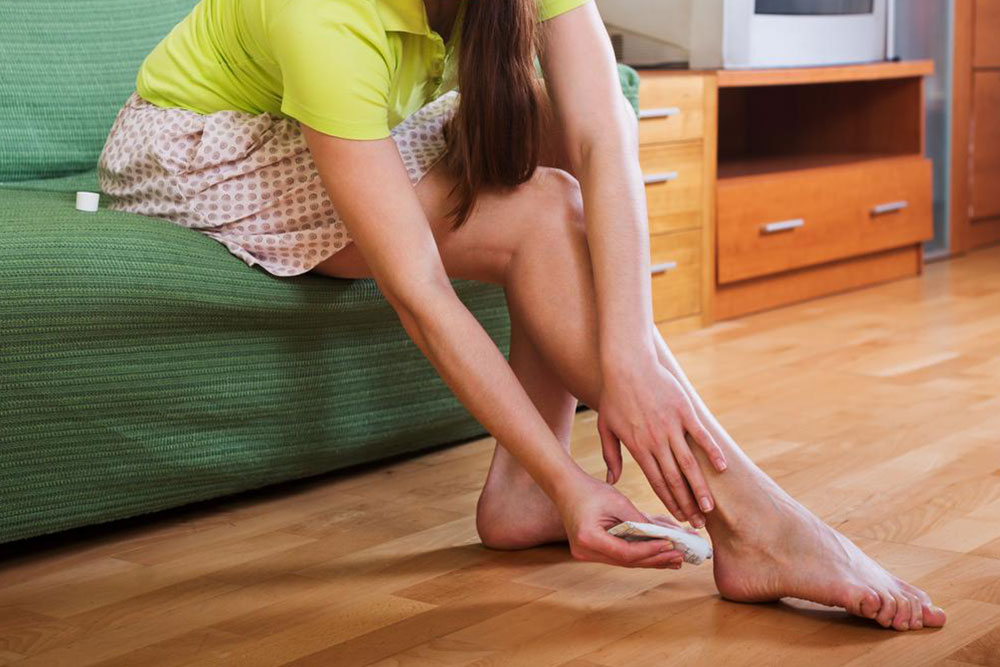
Foot corns are a common issue that many individuals face, often resulting from friction and pressure on certain areas of the feet. These persistent patches of thickened skin usually develop due to ill-fitting shoes, abnormal gait, or repeated trauma, and are commonly found between the toes or on the soles of the feet. While they might seem like minor annoyances, corns can cause significant discomfort, especially when walking, running, or engaging in daily activities. Fortunately, there are numerous safe and effective home remedies that can help manage and eliminate foot corns without the need for costly medical treatments.
Understanding the nature of corns is essential before diving into treatment options. Corns form as a protective response by the skin to repeated pressure or irritation. Over time, their hardened layers become thickened and can cause pain or tenderness. The good news is that with consistent care and simple home techniques, you can soften, reduce, and ultimately remove these unwanted patches.
Step-by-Step Home Remedies for Foot Corn Removal
1. Soaking Feet in Warm Water
Preparing your feet for treatment begins with soaking them in warm water. Use a basin filled with comfortably warm water and add a few drops of moisturizing or antibacterial soap. Soaking for about 10-15 minutes helps soften the hardened skin, making it easier to exfoliate and remove. You might also consider adding Epsom salt to enhance relaxation and reduce inflammation.
2. Gentle Exfoliation Using a Pumice Stone
After soaking, gently scrub the corns with a pumice stone or a foot file. This step helps slough away dead, thickened skin layers, gradually diminishing the appearance of the corn. Be careful not to press too hard to prevent skin injury or pain. Regular exfoliation, over a few days or weeks, may significantly improve the condition of your feet and provide relief from discomfort.
3. Natural Remedies that Soften Corns
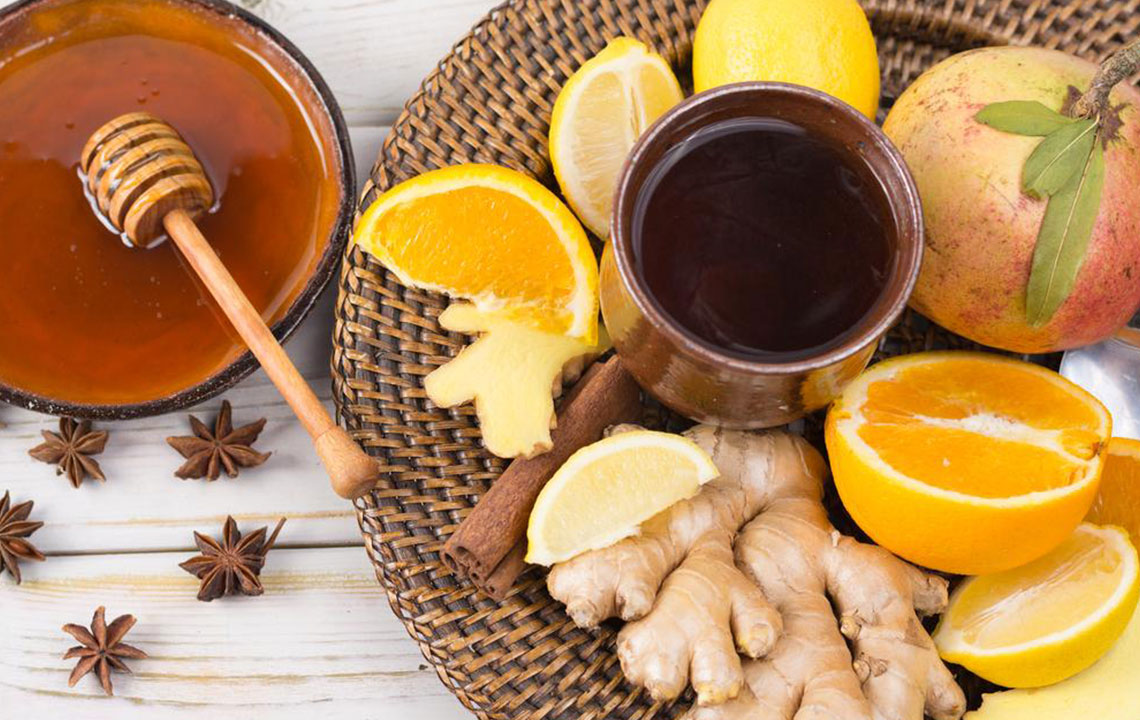
Lemon Slices: Placing a fresh lemon slice directly on the corn and securing it with a bandage allows the acidity to soften the thickened skin. Leave it overnight for optimal results.
White Vinegar: Soaking a cotton ball in white vinegar and applying it to the corn helps break down the keratinized skin. Cover with a cloth or bandage and leave it on for several hours or overnight.
Turpentine Oil: Known for its antiseptic properties, turpentine oil can aid in loosening the corn. Dab a small amount on the affected area daily, but always dilute appropriately and perform a patch test prior to regular use.
4. Moisturization and Prevention
After removing or reducing the corn, apply a rich moisturizer or foot cream containing ingredients like urea or salicylic acid. Keeping the skin hydrated prevents the formation of new corns. Additionally, wearing properly fitting shoes and cushioned insoles helps prevent recurrence by reducing friction.
Additional Tips for Healthy Feet
Avoid walking barefoot on rough surfaces, which may cause new corns to develop.
Choose footwear that fits well and provides adequate support.
Maintain foot hygiene by washing daily and keeping feet dry.
Perform regular foot inspections to catch early signs of trouble.
When to Seek Medical Advice
While home remedies are often effective, it’s important to consult a healthcare professional if corns become painful, large, or infected. Diabetics or individuals with poor circulation should particularly seek expert advice to prevent complications.
In conclusion, managing foot corns with common household remedies is a safe, cost-effective, and natural approach. Consistency in application, proper foot hygiene, and supportive footwear are key to maintaining healthy, comfortable feet. By integrating these steps into your routine, you'll be able to enjoy walking and other activities without the pain caused by corns.