Eyebrow Transplant: Permanent FUE Procedure, Recovery, and Results vs Microblading
Learn how FUE eyebrow transplants restore natural-looking brows permanently. Compare to microblading, see recovery timeline, and check candidacy.
Who Makes a Good Candidate for Eyebrow Transplant?
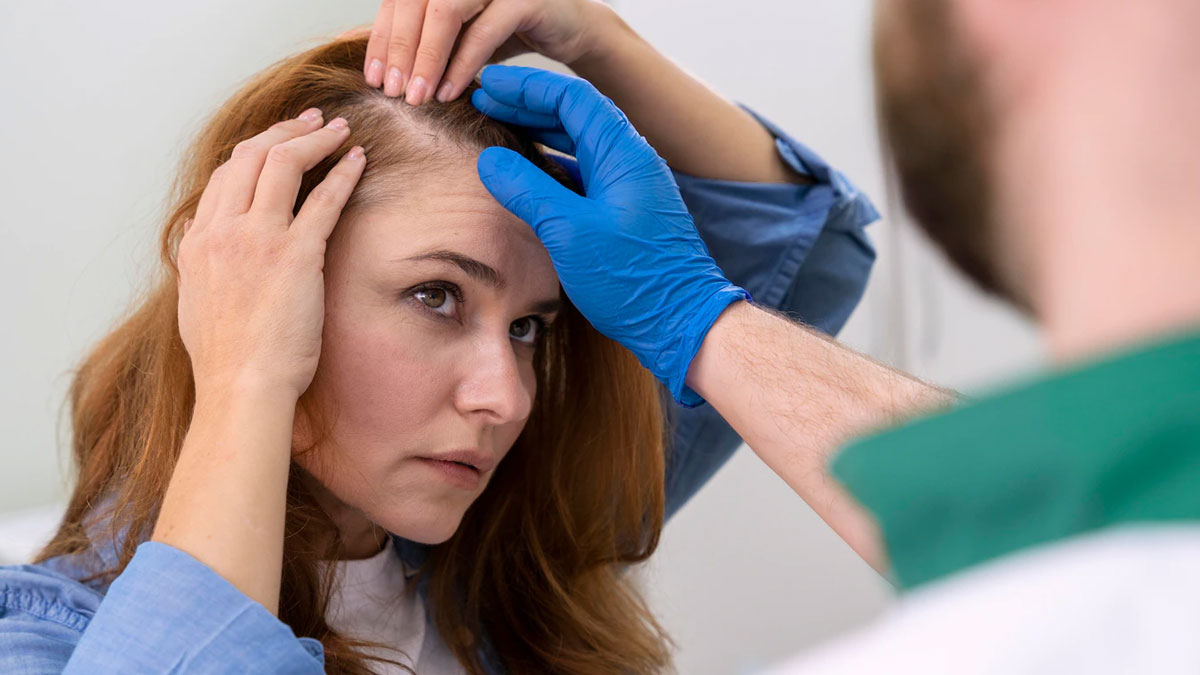
Ideal candidates include people with thinning brows due to over-plucking, injury, traction alopecia, or age. A healthy donor area—usually behind the ears—with fine hair texture is essential. While patients aged 30–50 often see optimal results, younger individuals with stable hair loss may also qualify. A consultation with a specialist assesses donor quality, brow goals, and required graft count.
The FUE Procedure: Step by Step
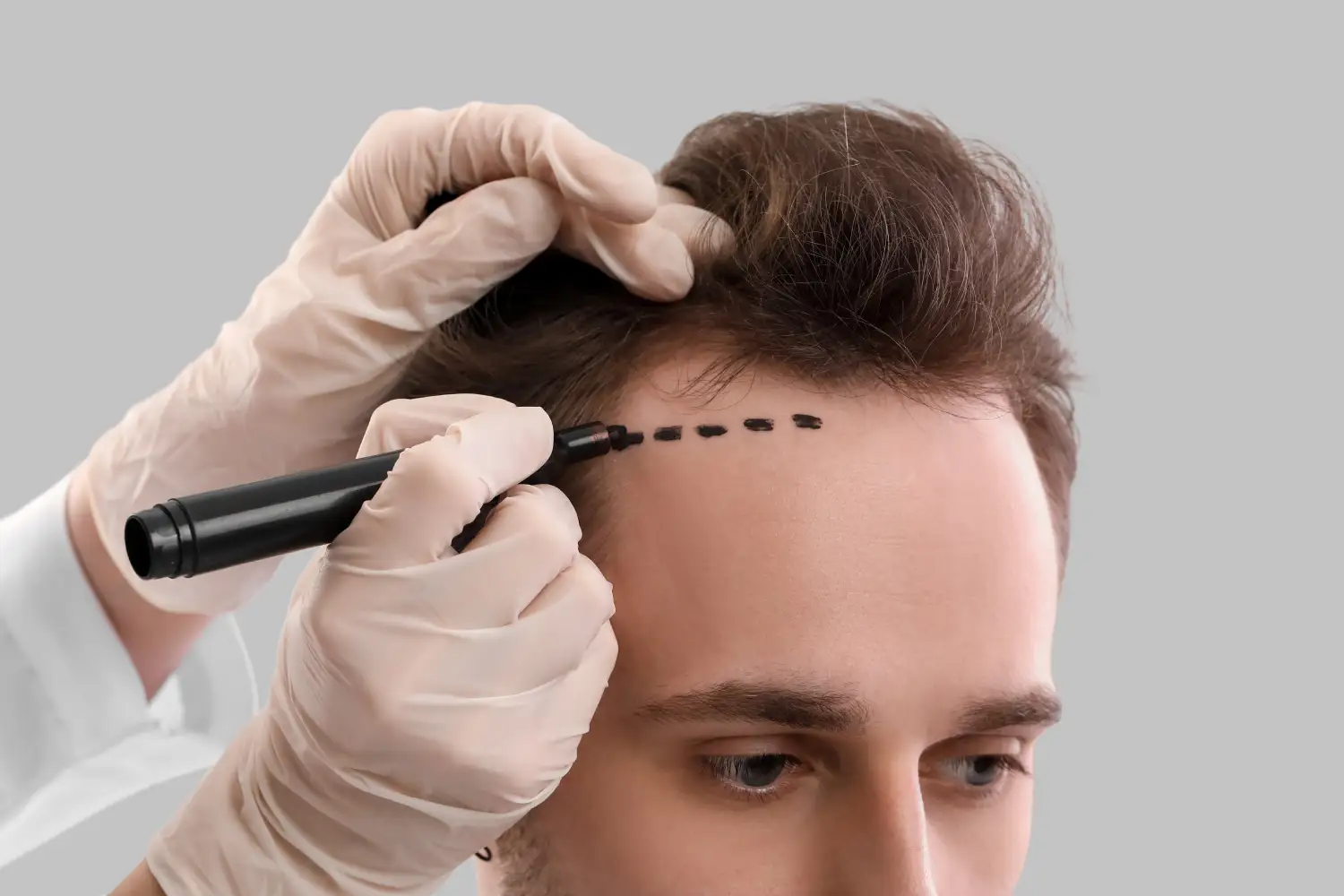
Follicular Unit Extraction (FUE) is the gold standard for natural-looking permanent eyebrows. Under local anesthesia, a surgeon harvests 200–600 fine follicles from the donor site, then implants them using a cross-hatching pattern to mimic natural growth direction. The procedure takes 4–6 hours. Patients experience minimal discomfort during treatment.
Day-by-Day Healing Timeline
Days 1–5: Keep brows dry, avoid strenuous activity. Mild swelling and tiny scabs form; swelling typically subsides by day five. Days 6–10: Scabs fall off naturally during gentle washing. Donor sites heal, and redness fades. Weeks 2–3: Transplanted hairs enter a temporary shedding phase (shock loss)—a normal sign of follicle settling. Months 2–3: New growth emerges. Months 6–12: Final density and shape become visible.
Eyebrow Transplant vs. Microblading: Key Differences
Microblading deposits pigment to create the illusion of hair; a transplant uses living follicles for real, three-dimensional strands. Transplant results never fade, require no touch-ups, and allow trimming, dyeing, or styling naturally. Recovery is a one-time commitment, whereas microblading demands maintenance every 12–18 months. For permanent, realistic brows, a transplant is superior.
Potential Risks and Side Effects
Common temporary effects include swelling, redness, and scabbing. Shock loss is expected and resolves as follicles restart growth. Serious complications are rare when performed by an experienced surgeon. Following aftercare instructions—such as avoiding direct water pressure and sun exposure—minimizes risks and promotes optimal healing.
Frequently Asked Questions
How long does recovery take? Initial healing (swelling/scabs) lasts 5–7 days. Shedding occurs weeks 2–3, and full growth appears in 6–12 months.
Are results permanent? Yes. Transplanted hairs come from the scalp and grow for a lifetime, requiring routine trimming.
Can you combine transplants with other treatments? Some patients pair transplants with PRP or minoxidil to enhance growth—always consult your surgeon first.