Modern Hair Restoration: Techniques, Innovations & What Patients Should Expect
Discover modern hair restoration: FUT vs. FUE, robotic assistance, PRP therapy, and what men and women can expect from natural results.
Understanding Today's Hair Restoration Options
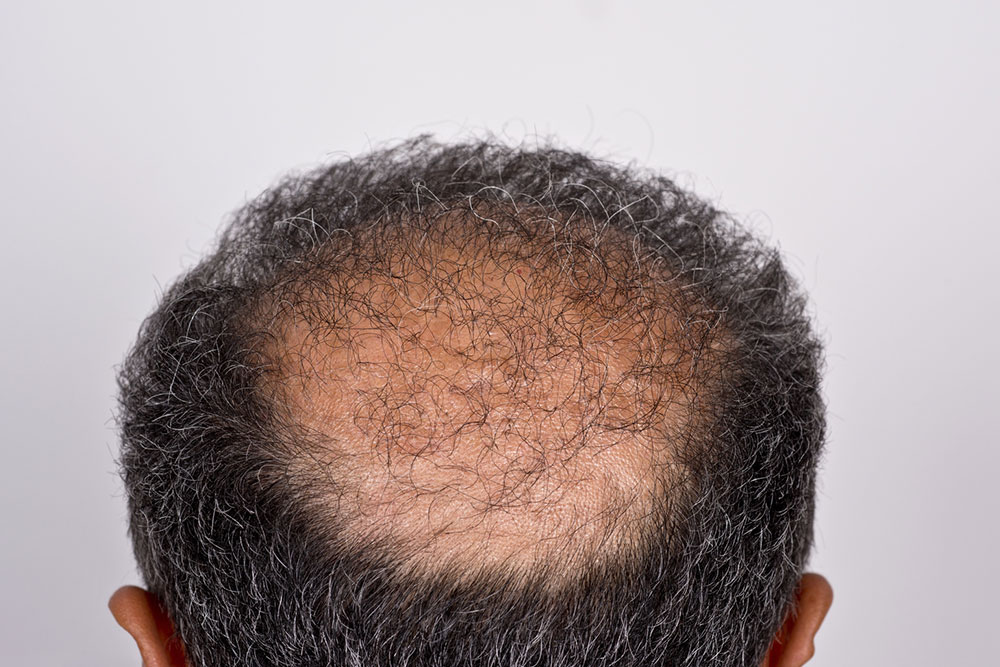
Hair loss can significantly impact self-confidence, but modern hair restoration has evolved far beyond the unnatural plugs of the past. Today's procedures blend surgical precision with artistic design to deliver results that look entirely natural. Whether you are a man or woman, understanding the available techniques and innovations helps you make an informed decision. This guide covers the leading methods, cutting-edge technologies, and what the entire journey entails.
FUT vs. FUE: Comparing the Two Main Transplant Techniques
Follicular Unit Transplantation (FUT)
FUT, also known as strip harvesting, involves removing a thin strip of scalp from the donor area—typically the back of the head. Under a microscope, individual follicular units are separated and then implanted into thinning or balding regions. This technique is ideal for patients who need a large number of grafts in one session, as it yields many high-quality follicles. The main trade-off is a linear scar at the donor site, although it is usually hidden by surrounding hair.
Follicular Unit Extraction (FUE)
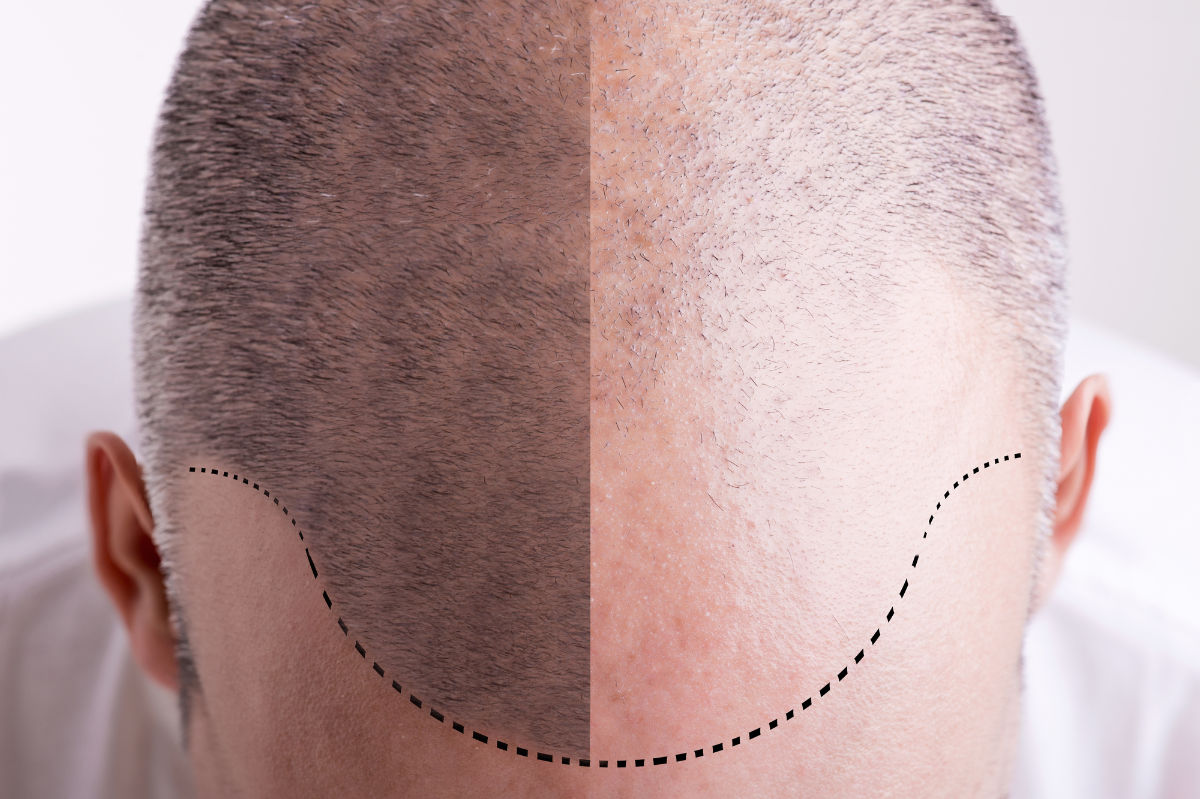
FUE extracts each follicular unit individually using a small punch tool, leaving tiny dot-like scars that heal quickly and become nearly invisible. This minimally invasive approach reduces recovery time and offers more flexibility in choosing donor sites. FUE is often preferred by people who wear short hairstyles or have limited donor density. Both FUT and FUE aim to recreate natural hair growth patterns through strategic graft placement.
Innovations Driving Better Outcomes
Robotic Assistance
Automated systems now assist surgeons in extracting and implanting follicles with remarkable accuracy. High-resolution imaging maps the donor area to identify the healthiest follicles, while robotic arms perform extractions and create recipient sites at precise angles and depths. This reduces human error and enhances the natural direction of transplanted hair, leading to denser, longer-lasting results.
Platelet-Rich Plasma (PRP) Therapy
PRP harnesses the body's own growth factors to stimulate healing and improve follicle survival. A small blood sample is processed to concentrate platelets, which are then injected into the scalp. When combined with a transplant, PRP can strengthen existing hair and promote a fuller appearance. It is a popular adjunct to both FUT and FUE.
Hair Restoration for Women
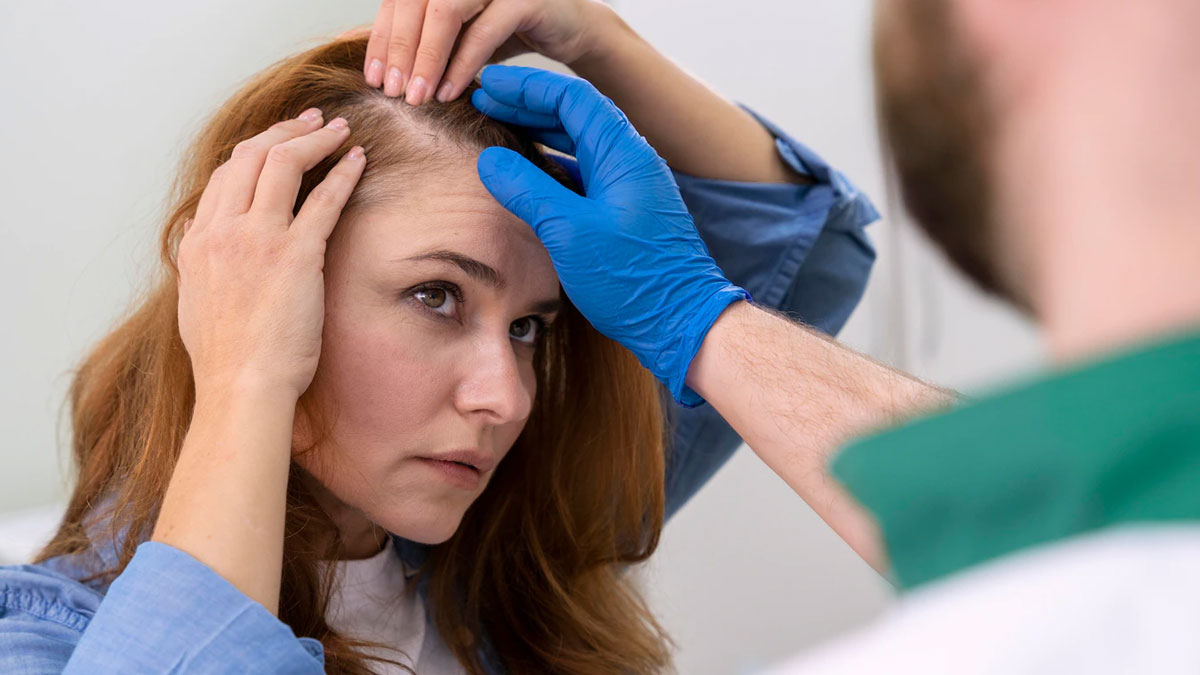
Female hair loss often presents as diffuse thinning rather than distinct bald spots, requiring a tailored approach. Women's restoration respects hormonal influences and different density patterns. A detailed consultation helps design a treatment plan that may combine FUE or FUT with supportive therapies like PRP. Many women report a significant boost in confidence once natural density is restored without an obvious surgical look.
The Art of Crafting a Natural Hairline
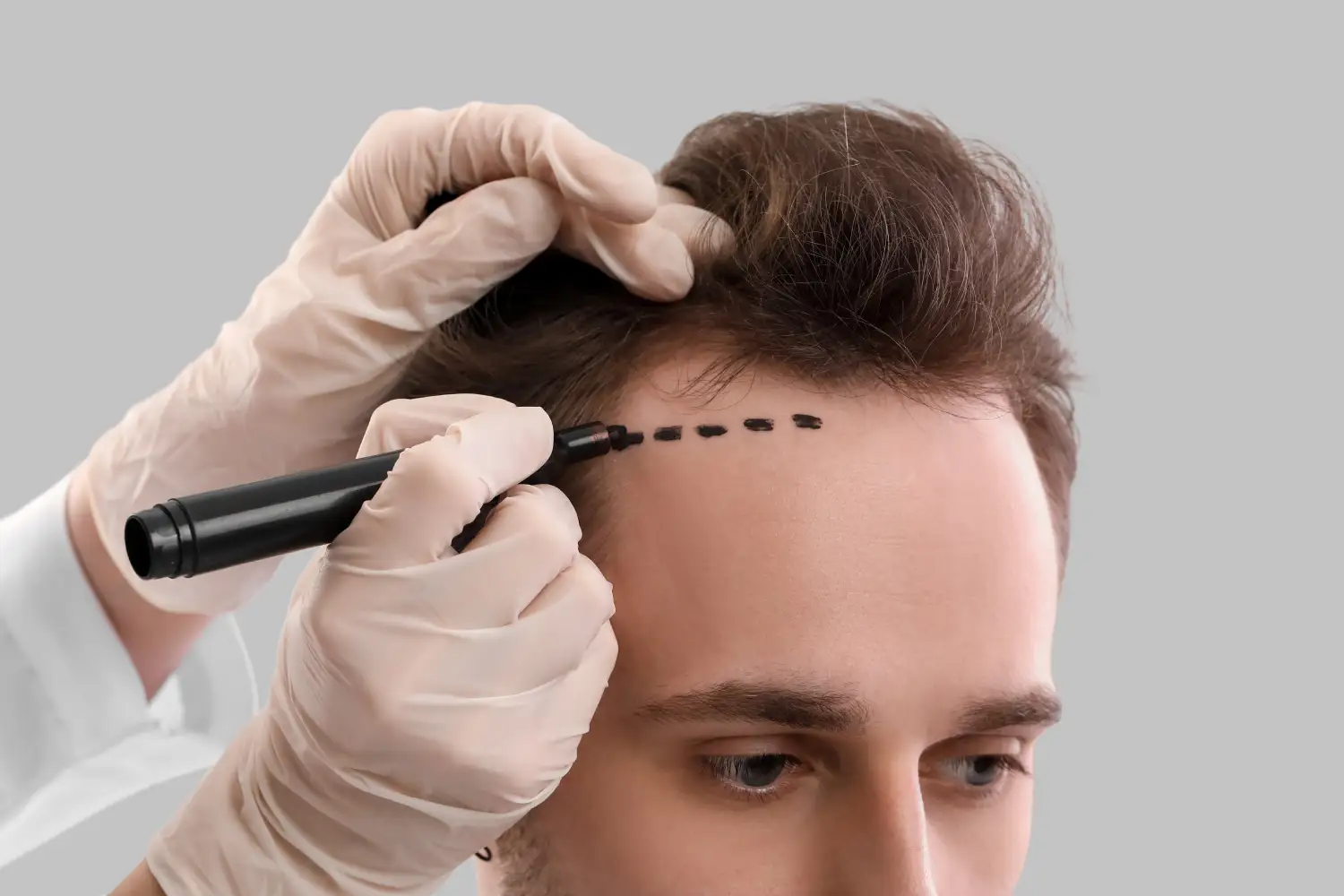
Creating a hairline is both science and art. Surgeons consider facial anatomy, hair characteristics, and future loss patterns. Single-hair grafts create a soft, feathered edge, while multi-hair grafts build density behind it. The result should appear age-appropriate and blend seamlessly with existing hair. Every angle and spacing is planned to mimic natural growth, making the transformation undetectable.
Common Myths Debunked
Pain and Recovery
Many fear hair transplants are painful. In reality, local anesthesia numbs the area, and most patients feel only mild discomfort. FUE allows return to normal activities within a few days, while FUT may require about a week. Post-operative soreness is manageable with over-the-counter medication.
Timeline of Results
Transplanted hair typically sheds within a few weeks—a normal part of the cycle. New growth begins at three to four months, with full results visible at 12 to 18 months. While transplanted hair is permanent, ongoing natural loss may require additional sessions to maintain density. Setting realistic expectations is key to satisfaction.
Frequently Asked Questions
What hair restoration options exist? Hair transplantation (FUT/FUE), PRP therapy, and topical treatments like minoxidil are effective. Each targets different aspects of hair loss.
What happens during a transplant? Follicles are extracted from a donor area and implanted into thinning areas under local anesthesia. The session lasts several hours. Mild swelling or redness resolves within a week.
Are transplants suitable for women? Yes. Techniques are adapted for diffuse thinning. A specialist can design a plan that addresses female-specific patterns and goals.
How do I choose a clinic? Look for surgeon experience, certification, patient reviews, and use of modern technology. A thorough consultation should cover expectations, risks, and post-operative care.
What do patients say? Most report improved self-esteem and natural-looking results. Full growth takes time, but the permanent outcome is highly satisfying. Support groups can offer additional insight.