Hair Transplant Costs & Techniques: A Complete Guide to Affordable Options & Clinics
Learn about hair transplant costs, FUT vs FUE vs DHI, and tips for finding affordable clinics near you. Get expert advice.
Hair Transplants: A Permanent Fix for Hair Loss
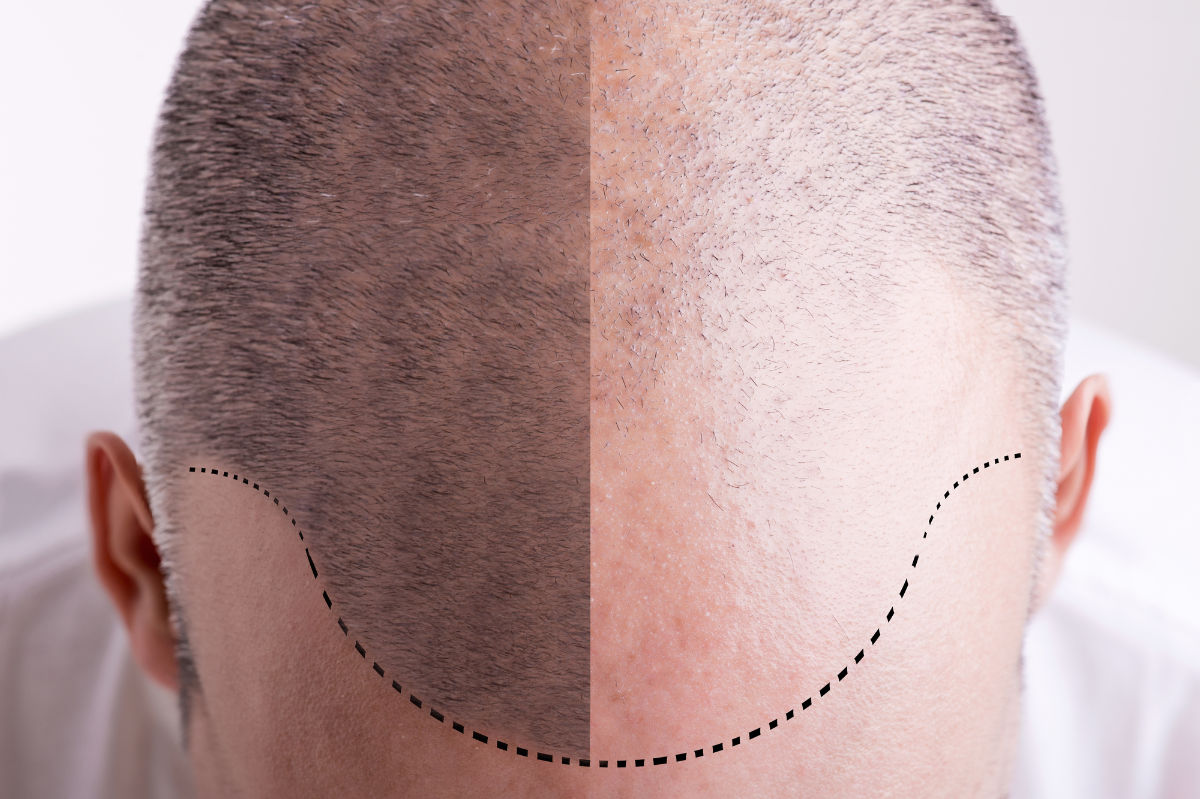
Hair transplants are a scientifically backed procedure for restoring lost hair. By moving healthy follicles from a donor area to thinning or bald spots, this approach offers a lasting alternative to wigs, medications, or serums. Beyond aesthetics, regaining hair often boosts self-confidence. Success hinges on selecting the right technique and a reputable clinic tailored to your needs.
What Does a Hair Transplant Cost?
Pricing depends on location, clinic reputation, and the method used. Here is a comparison of the three main procedures:
| Procedure | Per Graft | 1000 Grafts Range | Notes |
| FUT | $3–$6 | $3,000–$6,000 | Economical for large areas; leaves a linear scar. |
| FUE | $6–$10 | $6,000–$10,000 | No scarring; ideal for short hairstyles and smaller zones. |
| DHI | $10–$15 | $10,000–$15,000 | Highest precision for dense, natural-looking results. |
Other factors like the size of the balding area, hair density, and local regulations affect final prices. Clinics in major cities often charge more but may use advanced technology. For lower costs, medical tourism destinations such as Turkey or India can offer prices 50% less than in the U.S.
Comparing FUT, FUE, and DHI Techniques
Follicular Unit Transplantation (FUT)
FUT involves removing a strip of scalp from the donor area and extracting follicles. Benefits: cost-effective and covers large areas in one session. Drawbacks: a linear scar and a recovery period of up to 4 weeks. Best for people who don't plan to keep hair short and need extensive coverage.
Follicular Unit Extraction (FUE)
FUE extracts individual follicles using tiny punches. Pros: no visible scarring and faster healing (7–10 days). Cons: higher cost and limited for high-density sessions. Suited for short hairstyles and small areas.
Direct Hair Implantation (DHI)
DHI uses a specialized pen to implant follicles directly, minimizing time outside the body. Advantages: excellent density and control over hair direction. Disadvantages: the most expensive option and requires a highly skilled surgeon. Ideal for those who prioritize precision and naturalness.
How to Find an Affordable Clinic Near You
Searching for budget-friendly options? Use phrases like "affordable hair transplants near me" and check reviews on RealSelf or Google. Hair restoration forums can also reveal honest experiences. Ask clinics about payment plans or zero-interest financing. Verify claims through third-party sources—extremely low prices may indicate poor quality.
Once you have a shortlist, evaluate surgeons by board certification (e.g., ISHRS), visit the clinic if possible, review before-and-after portfolios, and inquire about technology like robotic FUE. Transparent pricing and honest assessments are hallmarks of trustworthy clinics.
Key Considerations for Men
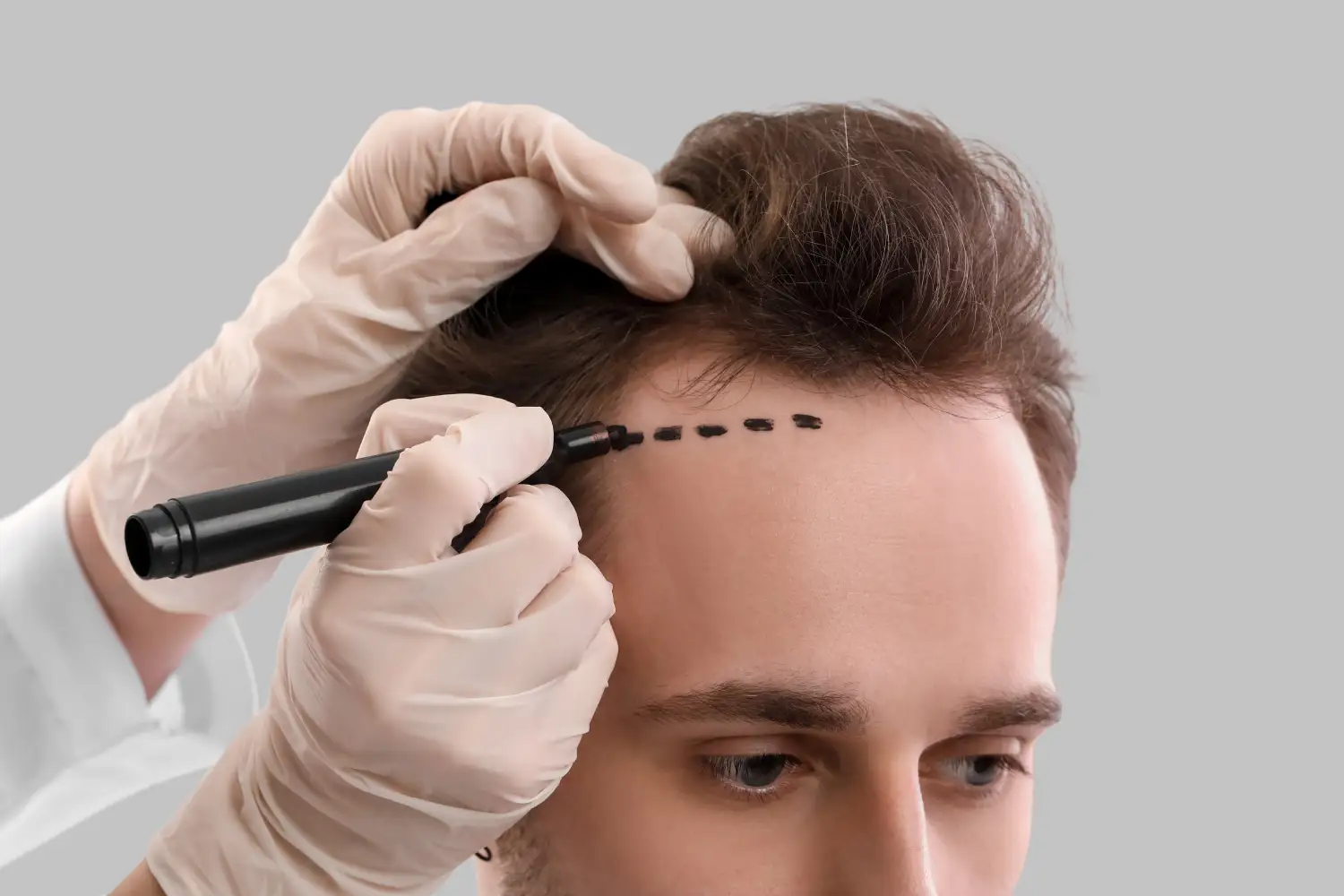
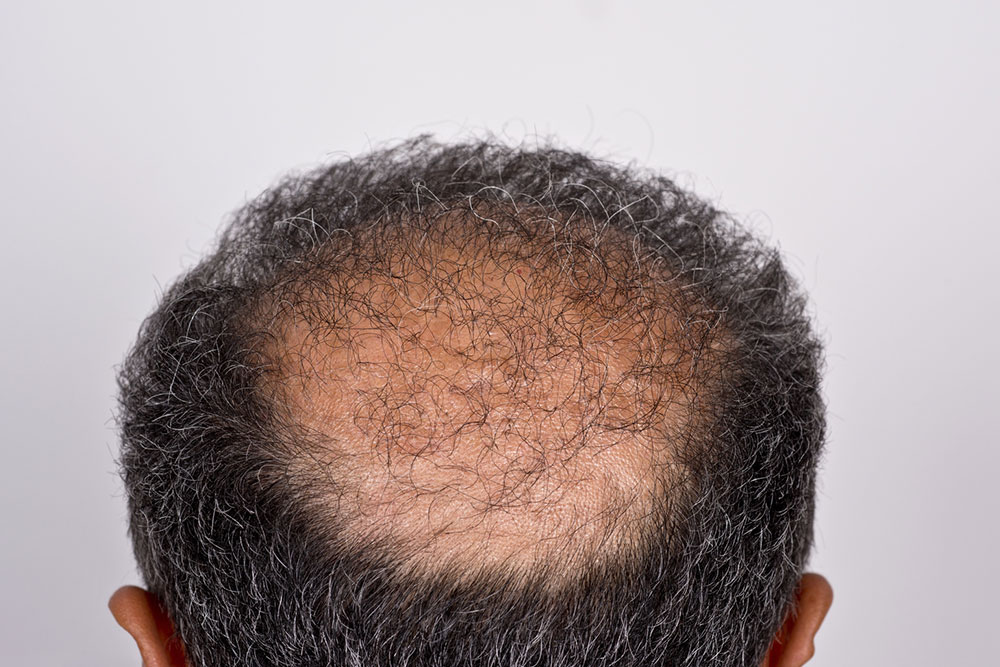
Male pattern baldness requires special attention. Understand donor limitations—advanced hair loss may reduce available follicles. Design a natural, age-appropriate hairline with your surgeon. Post-transplant maintenance, such as FDA-approved medications or PRP therapy, can prolong results.
Choosing the Best Technique for You
Choose FUT if budget is primary, you need extensive coverage, and don't mind longer recovery.
Pick FUE for no scarring, quicker healing, or small areas.
Select DHI for maximum precision and density, budget allowing.
A consultation with a specialist is the best way to determine the ideal method for your case.
Frequently Asked Questions
Q: How long do results last? A: Permanent, as long as proper aftercare is followed.
Q: When can I return to work? A: Typically 7–10 days, longer for FUT.
Q: Is the procedure painful? A: Local anesthesia ensures no pain during surgery; minor discomfort during recovery.
Q: Can a transplant fail? A: Rare if care instructions are followed and performed by experienced surgeons.
Q: What if donor supply is insufficient? A: Options like body hair transplants (chest or beard) may be suggested.