Hair Restoration in 2024: Cost Comparisons, Advanced Techniques & Top Destinations
Discover global hair transplant costs, FUE vs FUT, top clinics in Turkey and the US, and emerging technologies. Learn how to choose the best option for your needs.
Navigating the Global Hair Transplant Landscape
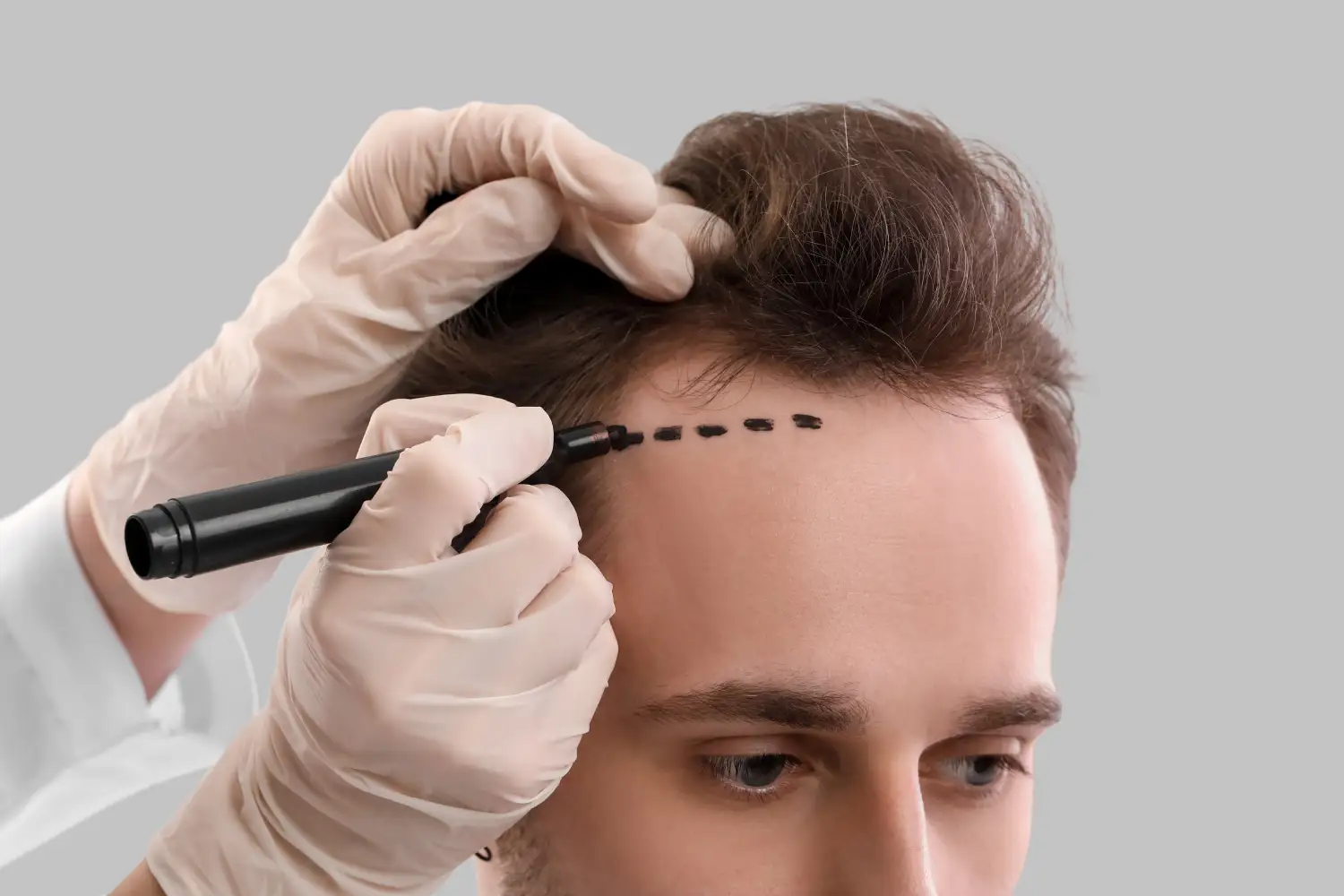
The hair restoration industry is undergoing a major transformation. Technological breakthroughs, patient demand for natural results, and the rise of medical tourism are reshaping how people approach hair loss. From high-end clinics in New York and Los Angeles to affordable yet reputable centers in Turkey and Mexico, individuals now have unprecedented options. This guide examines cost disparities, cutting-edge procedures, and emerging trends to help you make an informed choice.
Key Factors That Influence Hair Transplant Costs
Geographic Pricing Variations
Location heavily impacts the final price tag. Major U.S. cities like New York, Los Angeles, and Miami have higher overheads, leading to premium fees. In contrast, smaller domestic markets or international destinations—especially Turkey, Mexico, and Thailand—offer competitive rates without compromising quality. For instance, a full transplant in Turkey can cost 60–80% less than a comparable procedure in the U.S., all while using advanced FUE techniques and experienced surgeons.
Surgeon Credentials and Clinic Reputation
An experienced, board-certified surgeon commands higher fees, but their expertise often translates into superior outcomes. Prioritize credentials, before-and-after galleries, and patient testimonials over price alone. Cutting corners on quality can lead to poor results and costly revisions.
Procedure Type: FUE vs. FUT
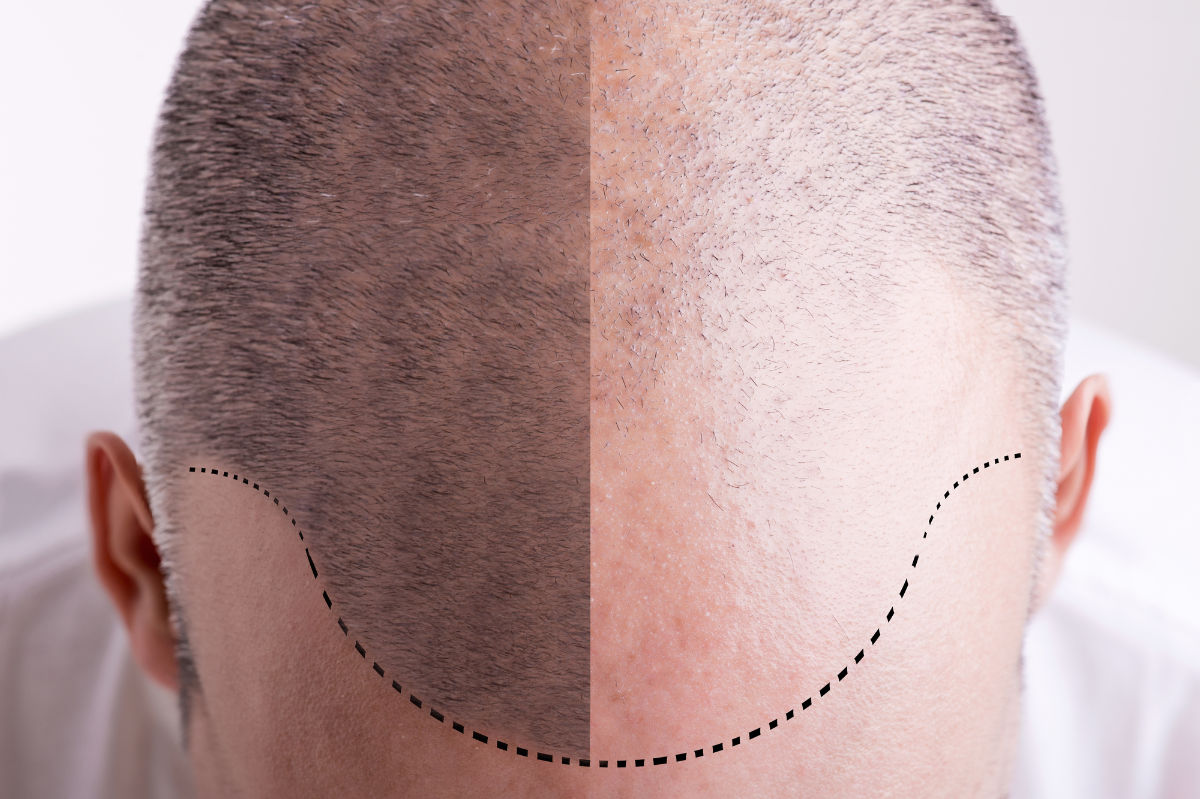
Follicular Unit Extraction (FUE) is more labor-intensive and generally pricier, but offers minimal scarring and quicker recovery. Follicular Unit Transplantation (FUT) removes a strip of scalp, leaving a linear scar, but costs less per graft. The number of grafts required (typically 1,500–4,000) also drives the total cost. For a 2,500‑graft session, prices can range from $4,000 to $15,000 in the U.S., depending on technique and location.
Innovation Hubs: Where Technology Meets Hair Restoration
Pioneering Urban Centers
Clinics in New York, Los Angeles, and Miami are at the forefront of robotic-assisted FUE and AI-powered graft analysis. These methods improve precision and reduce downtime, making hair restoration more accessible. The United States remains a global leader in cutting-edge treatment, attracting international patients seeking top-tier care.
Telemedicine and Minimally Invasive Approaches
Virtual consultations now break down geographic barriers, allowing pre- and post-operative appointments from anywhere. Minimally invasive techniques—especially FUE and robotic transplants—dominate the market due to natural-looking results and faster healing. Patients increasingly demand patient-centered care that minimizes discomfort and time off work.
Hybrid Clinics: Combining Surgical and Non-Surgical Options
Many modern clinics offer integrated treatment plans that pair transplantation with platelet-rich plasma (PRP) therapy and low-level laser therapy (LLLT). These non-surgical adjuncts support graft survival and slow ongoing hair loss. Emerging technologies such as biomaterials and AI-driven planning further enhance graft viability and procedural precision.
Future Frontiers: From Science to Surgery
Regenerative Research and Cloning
Ongoing studies into hair follicle regeneration and cloning hold the potential for less invasive solutions with even higher success rates. While still experimental, these developments could revolutionize the field in the next decade. Staying informed helps patients anticipate tomorrow’s options.
Setting Realistic Expectations
Modern techniques can significantly improve density and coverage, but they may not recreate a juvenile hairline. Consulting multiple surgeons and discussing achievable goals is essential for satisfaction. Honest communication about limitations and realistic outcomes is key.
Long-Term Maintenance and Commitment
A hair transplant is not permanent without effort. Post-operative care includes medications like minoxidil and finasteride, a healthy diet, sun protection, and regular follow-ups. Adhering to a maintenance plan maximizes the longevity of your results.
Frequently Asked Questions
What drives hair transplant costs in the U.S.? Costs vary with hair loss severity, technique (FUE vs. FUT), surgeon experience, location, and included services. Typical range: $4,000–$15,000.
Why is Turkey so popular for hair transplants? Turkey offers all-inclusive packages (accommodation, transport, post-op care) at a fraction of U.S. prices, with highly skilled surgeons and modern facilities.
How do hair implants differ from hair replacement for men? Hair implants (transplants) are permanent surgical procedures that move follicles to thinning areas. Hair replacement (wigs, toupees) is non-surgical and temporary, requiring ongoing care.