Online & Hybrid MRI Training: A Complete Guide to Certification and Career Advancement
Explore online and hybrid MRI training with virtual simulations, clinical rotations, and career advancement opportunities for aspiring technologists.
The Rise of Flexible MRI Education
The healthcare industry faces a growing shortage of skilled MRI technologists, and traditional classroom-only programs are no longer the only path to certification. Online and hybrid learning models have emerged as effective alternatives, offering the same rigorous curriculum while accommodating students' schedules and locations. These programs separate theoretical instruction—covering cross-sectional anatomy, magnetic resonance physics, and imaging protocols—from hands-on practice, allowing learners to master complex concepts at their own pace before stepping into a clinical setting. This flexibility is especially valuable for current radiologic technologists seeking advanced certification, parents, or working individuals who cannot attend daytime classes. Students can complete didactic work through video lectures, interactive modules, and digital textbooks, reviewing topics like pulse sequences or magnetic field vectors until mastery.
Bridging Theory and Practice with Virtual Simulations
A major challenge in imaging education has been the leap from textbook to scanner. Memorizing the physics of spin echoes differs greatly from sitting at a console and producing a diagnostic image. Modern programs address this by integrating sophisticated virtual laboratories—software that replicates the full interface of real MRI scanners. Students navigate menus, set protocols, adjust parameters like repetition time (TR) and echo time (TE), and see immediate effects on image contrast. This flight-simulator approach builds familiarity and confidence. Before touching a real patient, they have performed hundreds of simulated scans, learning to troubleshoot artifacts like motion ghosting or wrap-around without risk. When they enter a clinical site, they already understand the system logic, allowing them to focus on patient care and safety.
Essential Hands-On Clinical Rotations
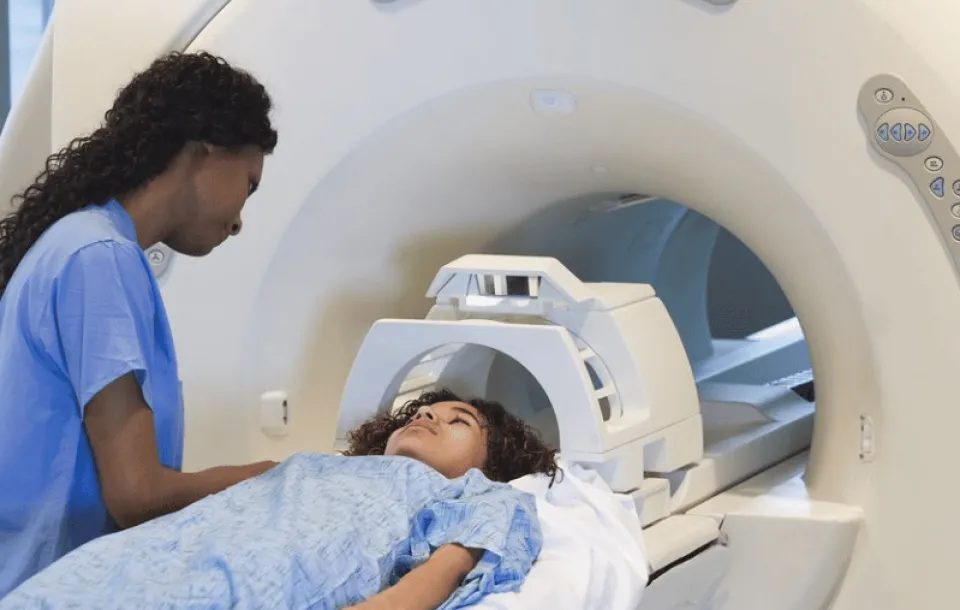
No simulation can fully replace the nuances of positioning a patient in pain, managing claustrophobia, or collaborating with a fast-paced medical team. Legitimate online programs always include extensive clinical rotations. The online portion front-loads intellectual requirements so that clinical time maximizes physical skill acquisition. Under supervision, students learn communication, adaptive protocols for trauma cases, and strict safety procedures in a high-magnetic-field environment. This integration of digital preparation and real-world practice produces well-rounded graduates who can distinguish normal anatomy from pathology, optimize image quality, and serve as active partners in the diagnostic process.
Specialization and Accelerated Pathways
For those already working in radiography, CT and MRI certificate programs online allow rapid specialization. These focused programs are often shorter than full degrees, concentrating on advanced techniques to enhance qualifications and earning potential. Accelerated 1-year radiology tech programs online appeal to career changers wanting quick entry, provided the program is accredited and meets regional licensing requirements. Pursuing an online medical imaging degree opens doors to supervisory roles, specialized positions, and advanced clinical practice. Employers value the commitment to professional development that an online degree represents.
Frequently Asked Questions About Online MRI Training
What are the advantages of enrolling in radiology online courses? Flexibility and convenience—learn at your own pace from anywhere, ideal for balancing work or family commitments.
How do 1-year radiology tech programs online compare to traditional ones? They are more accelerated, designed to equip students with essential skills quickly. Always check accreditation and local licensing requirements.
What should I look for in an MRI technologist school near me? Accreditation, comprehensive curriculum, faculty expertise, and strong hospital partnerships for clinical placements. Hands-on experience is critical.
What are the benefits of CT and MRI certificate programs online? Focused specialization in a shorter time, increasing job opportunities and salary potential for existing imaging professionals.
How can an online medical imaging degree impact my career as an MRI technician? Provides advanced knowledge, opens doors to leadership roles, and demonstrates commitment—highly valued by employers.