Eyelash Mites: Causes, Symptoms & Effective Treatments for Demodex Overgrowth
Learn to identify and treat eyelash mite overgrowth. Discover natural remedies like tea tree oil and when to see a doctor for Demodex-related blepharitis.

Understanding Eyelash Mites and Their Role
Eyelash mites, known scientifically as Demodex, are tiny arachnids that naturally inhabit human hair follicles and sebaceous glands. Two species affect humans: Demodex folliculorum, which lives in follicles, and Demodex brevis, which resides in oil glands. In low numbers, they are harmless and even assist in clearing dead skin and excess oil. However, when the immune system weakens, sebum production increases, or hygiene declines, mite populations can explode—triggering inflammation, irritation, and conditions such as blepharitis.
Recognizing Demodex Overgrowth Symptoms
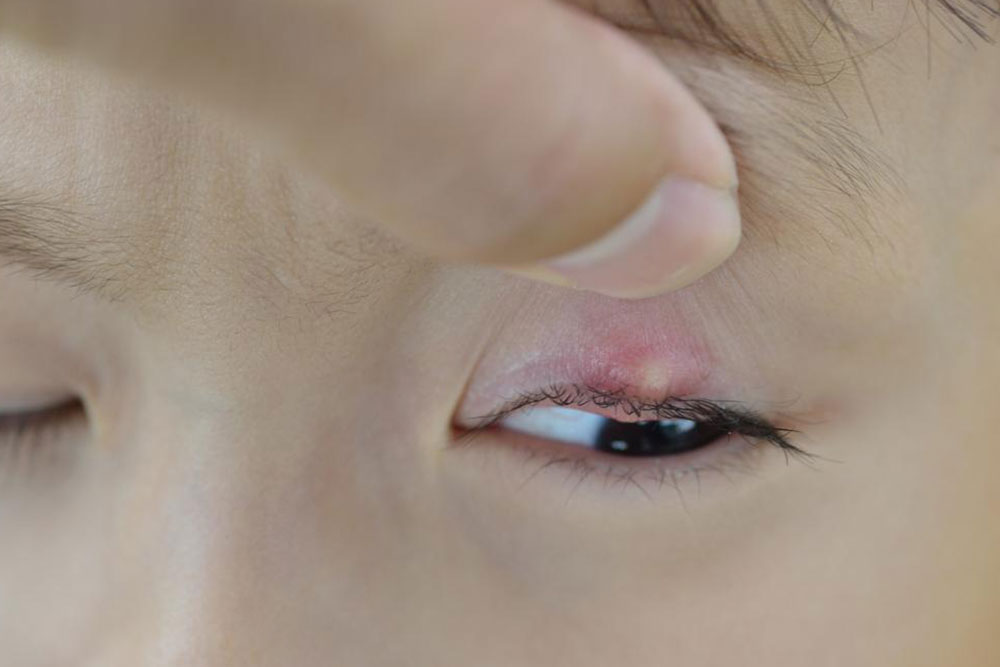
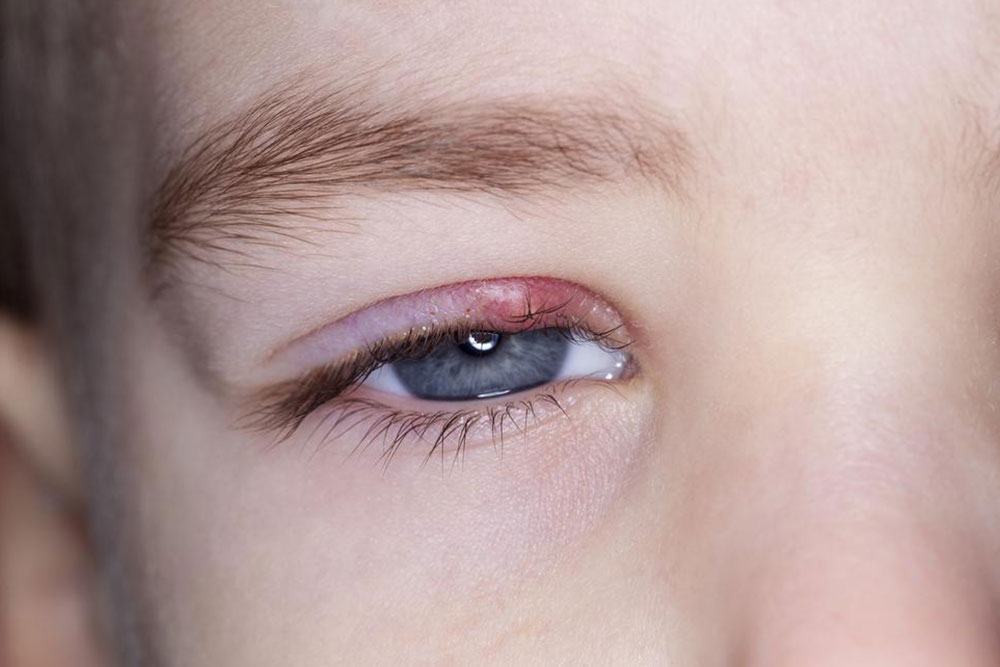
You cannot see eyelash mites without a microscope, but their overgrowth produces noticeable signs. Key symptoms include persistent itching along the lash line, redness, swelling, a gritty sensation in the eyes, excessive tearing or dryness, crusting on the lashes, and abnormal lash loss. These symptoms often coincide with rosacea or other skin conditions. If home care fails to bring relief, a dermatologist or eye specialist can confirm the diagnosis by examining a lash sample or skin scraping under a microscope.
Home Remedies and Natural Treatment Approaches
Controlling mite overgrowth begins with consistent eyelid hygiene. Wash your face and eyelid margins twice daily using a gentle, eye-safe cleanser to remove the excess oils that feed mites. Tea tree oil is a proven natural miticide—but it must be diluted (1–2% in a carrier oil or as a ready-to-use eyelid wipe) to prevent eye irritation. Additional habits—changing pillowcases and towels frequently, avoiding shared eye makeup, and keeping pets clean—help reduce the risk of reinfestation.
When Professional Treatment Becomes Necessary
If home measures prove insufficient, doctors may prescribe medicated wipes or scrubs containing ivermectin, metronidazole, or other antiparasitic agents. In-clinic procedures like eyelid margin debridement or microexfoliation physically remove mites and debris. For severe or stubborn cases, oral medications such as ivermectin can reduce mite populations systemically. Professional supervision is essential to avoid complications and ensure safe, effective treatment.
Prevention and Long-Term Eye Comfort
Eyelash mites are a normal part of your skin microbiome, but overgrowth is manageable. Prioritize daily eyelid hygiene, use targeted natural remedies like diluted tea tree oil carefully, and seek prompt medical attention if symptoms persist. Understanding these microscopic inhabitants empowers you to take control—transforming a potential source of chronic irritation into a condition you can effectively manage.