Atopic Dermatitis (Eczema) Guide: Causes, Symptoms, Triggers & Treatment for All Ages
Learn about atopic dermatitis (eczema) symptoms, triggers, and treatments. Discover how seniors can manage this chronic skin condition effectively.

What Is Atopic Dermatitis (Eczema)?
Atopic dermatitis (AD) is a chronic inflammatory skin condition that causes intense itching, redness, and dry patches. It is part of the atopic triad along with asthma and allergic rhinitis. While often first appearing in childhood, AD can persist into adulthood or even develop later in life, with seniors particularly affected due to age-related skin changes.
Common Symptoms of Atopic Dermatitis
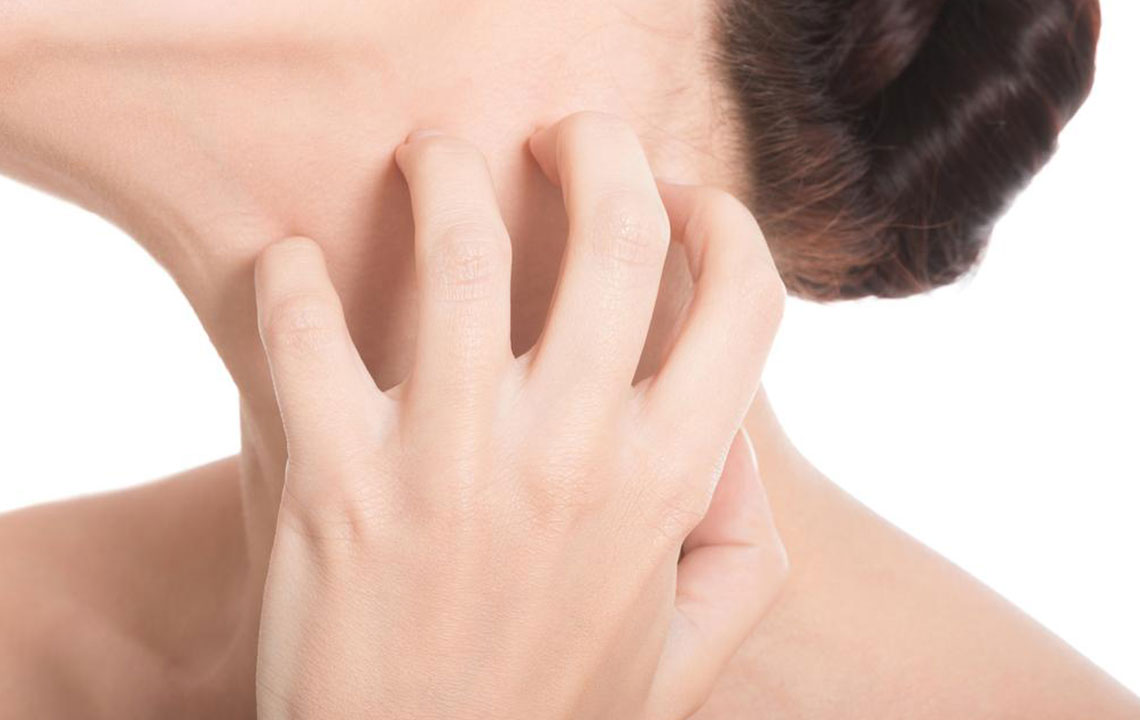
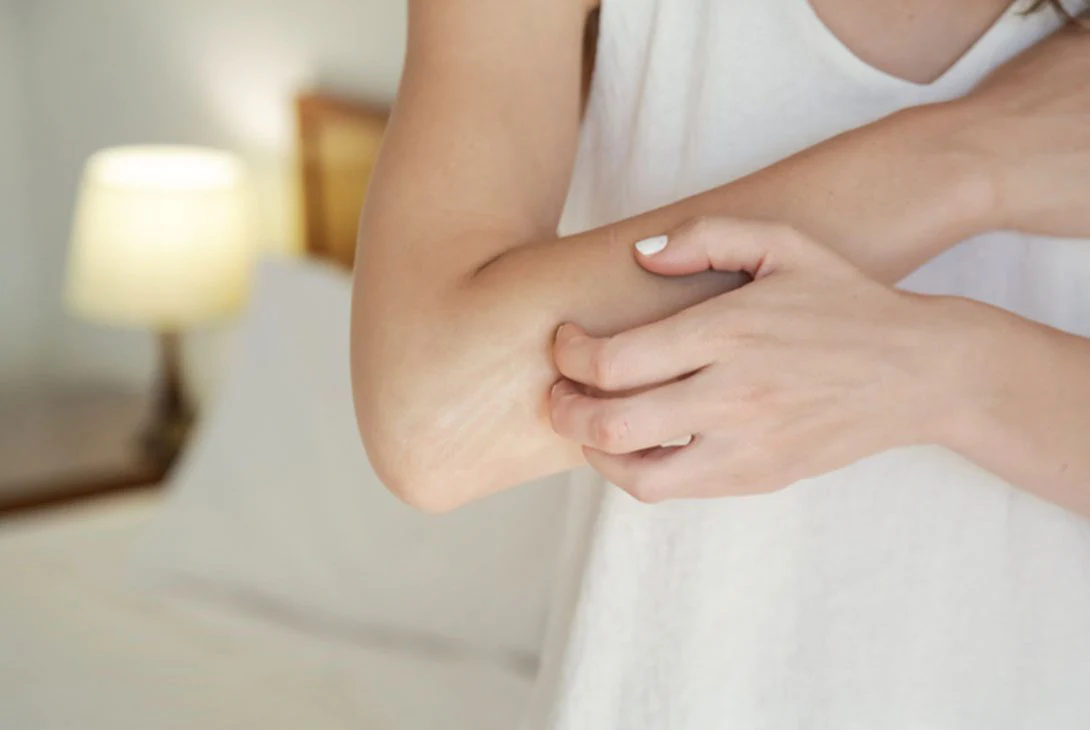
Severe itching – often worse at night, leading to sleep disruption.
Red, inflamed skin – typically on the face, neck, hands, and inner elbows.
Dry, scaly patches – skin may flake and feel rough.
Oozing or crusting – in severe flare-ups, affected areas may weep.
What Triggers Atopic Dermatitis Flare-Ups?
Environmental Triggers
Weather extremes – cold, dry air or heat and humidity.
Allergens – dust mites, pet dander, pollen.
Irritants – harsh soaps, detergents, wool fabrics.
Lifestyle and Health Factors
Stress – emotional stress can worsen symptoms.
Diet – some people react to dairy, nuts, or other foods.
Infections – bacterial or fungal infections may trigger flare-ups.
Why Seniors Face Unique Challenges
As skin ages, it becomes thinner, less elastic, and more prone to dryness. Combined with a naturally weaker immune system, seniors are more vulnerable to AD. The constant itching and visible lesions can lead to sleep loss, anxiety, depression, and social withdrawal, significantly impacting quality of life.
Treatment Options for Atopic Dermatitis
Treatment is personalized based on severity. Options include:
| Type | Examples |
|---|---|
| Topical treatments | Corticosteroids, calcineurin inhibitors, moisturizers |
| Systemic treatments | Oral corticosteroids, immunosuppressants, biologics (e.g., dupilumab) |
| Light therapy | Phototherapy using UV light to reduce inflammation |
Home Remedies and Lifestyle Adjustments
Moisturize daily – use fragrance-free, hypoallergenic emollients.
Avoid known triggers – identify and minimize contact with irritants/allergens.
Good hygiene – keep skin clean and avoid scratching to prevent infection.
Preventing Flare-Ups
Daily Skincare Routine
Bathe in lukewarm water with mild, soap-free cleansers.
Pat skin dry gently and apply moisturizer immediately.
Environmental Adjustments
Use a humidifier in dry environments.
Wear soft, breathable fabrics like cotton.
When to Seek Medical Help
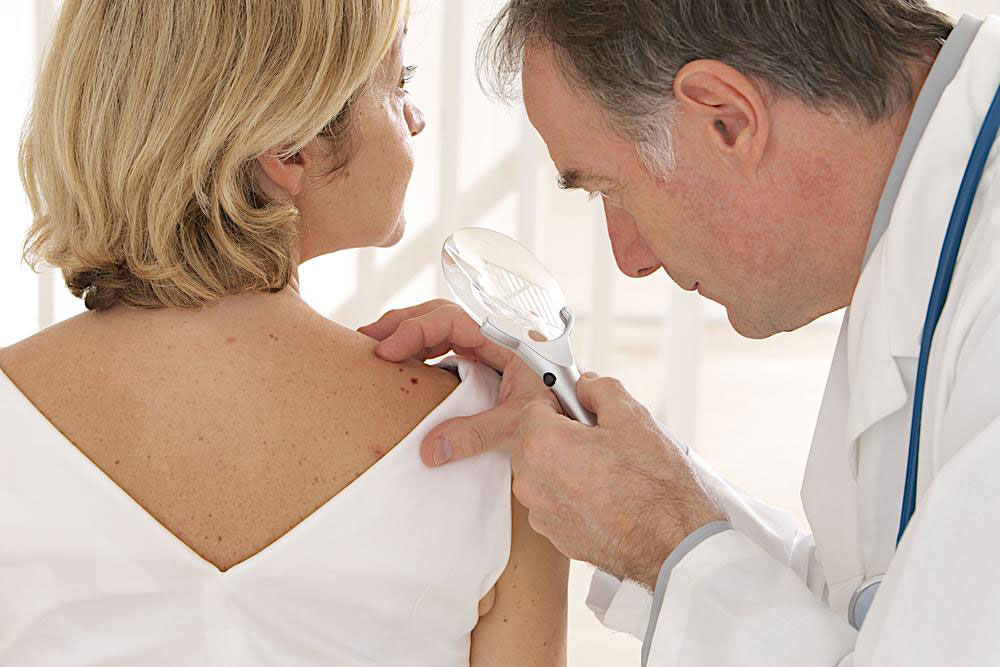
While mild AD can often be managed at home, consult a dermatologist if:
Symptoms persist or worsen despite treatment.
Signs of infection appear (redness, swelling, oozing).
The condition significantly disrupts daily life or mental health.
Frequently Asked Questions
Is atopic dermatitis contagious?
No, AD is not contagious. It is an inflammatory condition driven by genetics and environment.
Can atopic dermatitis be cured?
There is no cure, but it can be effectively managed with treatment and lifestyle changes.
Are there specific foods that trigger atopic dermatitis?
Not everyone has food triggers, but some individuals react to dairy, nuts, or other foods.
Can stress cause atopic dermatitis?
Stress does not cause AD but can trigger or worsen flare-ups in those who already have the condition.
Are over-the-counter treatments effective?
Mild cases may respond to OTC moisturizers and hydrocortisone creams, but severe cases often require prescription treatments.