Proactive Health Guide: Vital Tracking, Baseline Monitoring & Screening Tests
Explore how vital tracking, baseline monitoring, and screening tests empower proactive health management for early detection and long-term wellness.

Rethinking Health: From Reactive to Proactive
Modern health management is moving away from waiting for symptoms toward a preventive mindset. By integrating regular health evaluations, risk assessments, and lifestyle tracking into daily life, individuals can transform raw health data into actionable insights that support long-term wellness. This foundation empowers informed decisions before small issues become serious conditions.
Critical Screening Tests for Early Detection
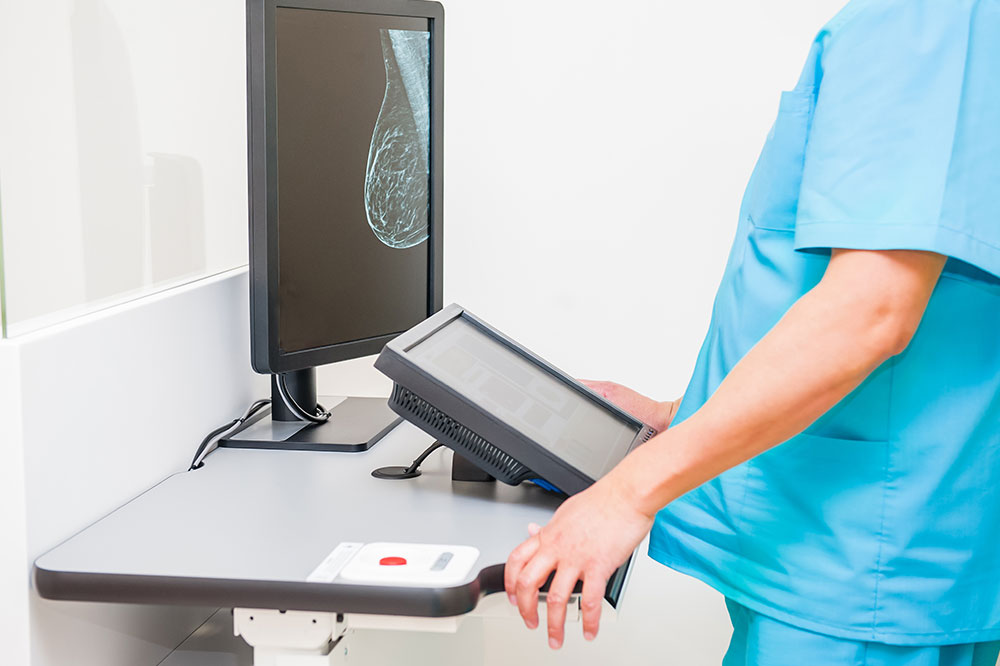
Routine screenings—such as mammograms, colonoscopies, and Pap smears—remain among the most powerful prevention tools. These tests detect cancers and other diseases at their earliest, most treatable stages. For example, a colonoscopy can remove precancerous polyps before they develop into colorectal cancer, while a mammogram identifies breast cancer when intervention is most effective. Integrating these procedures into a regular health schedule dramatically improves outcomes. Public health data show that widespread screening programs significantly reduce mortality from colorectal, cervical, and breast cancers.
Establishing Personal Health Baselines Through Vital Monitoring
Consistent tracking of key indicators such as blood pressure, cholesterol, and blood glucose creates a personalized health benchmark. This baseline allows both individuals and healthcare providers to detect subtle deviations that may signal emerging conditions. Vital monitoring extends beyond occasional checkups; it documents trends over time, turning numbers into meaningful guidance for diet, exercise, and medical interventions. Wearable devices and home monitors now make daily data collection simple. By sharing these logs with physicians, patients achieve a clearer picture of their health trajectory and can adjust habits proactively.
Technology as a Prevention Partner
Digital health innovations—fitness trackers, smart scales, and symptom-checking apps—provide real-time feedback on heart rate, sleep quality, activity levels, and more. This continuous data stream helps users identify patterns like stress triggers or exercise gaps that influence well-being. Seamless communication with healthcare providers via these platforms enhances preventive strategies: doctors can interpret trends, spot risks early, and tailor recommendations. The result is a collaborative approach that keeps prevention at the forefront.
The Role of Community and Policy
Employers, governments, and community organizations amplify individual prevention efforts. Workplace wellness programs often offer free screenings and fitness incentives, creating a culture of health. Public policies that fund preventive care and education broaden access to resources, especially for underserved populations. Together, these systemic supports reduce the burden of chronic diseases and foster a healthier society.
Building Your Personalized Prevention Plan
Combining regular vital tracking, baseline monitoring, age-appropriate screening tests, technology, and community support forms a robust preventive strategy. This holistic approach maximizes early detection, minimizes disease progression, and empowers everyone to lead healthier, more vibrant lives. Start by consulting your healthcare provider to determine the right screenings and monitoring frequency for your individual risk profile.