Comprehensive Guide to Understanding and Managing High Blood Pressure
This comprehensive guide offers detailed insights into reading blood pressure levels, understanding their significance, and implementing effective lifestyle changes to manage and prevent high blood pressure. Regular monitoring, awareness of categories, and healthy habits are key to maintaining cardiovascular health and avoiding complications.

Comprehensive Guide to Understanding and Managing High Blood Pressure
Blood pressure is a vital indicator of cardiovascular health, representing the force exerted by circulating blood upon the walls of arteries as the heart pumps. Monitoring and understanding blood pressure levels are essential steps in maintaining overall health and preventing serious health complications. When blood pressure readings exceed normal ranges, it may indicate hypertension—a condition that can silently damage the body over time if left unmanaged. This detailed guide provides insights into reading blood pressure levels accurately, understanding various categories, and practical strategies to manage and control high blood pressure effectively.
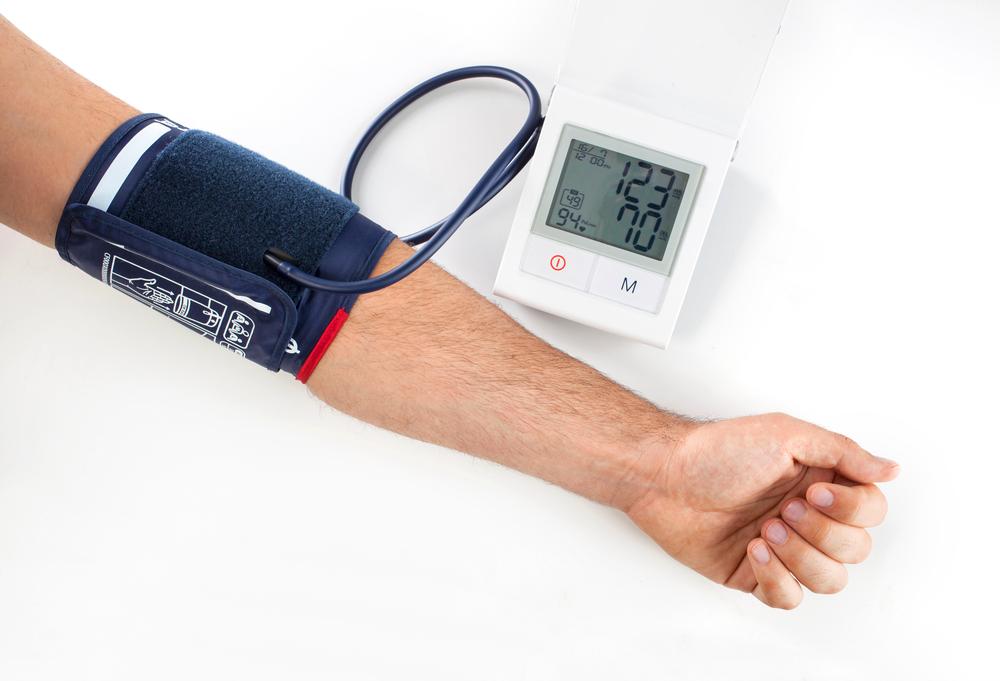
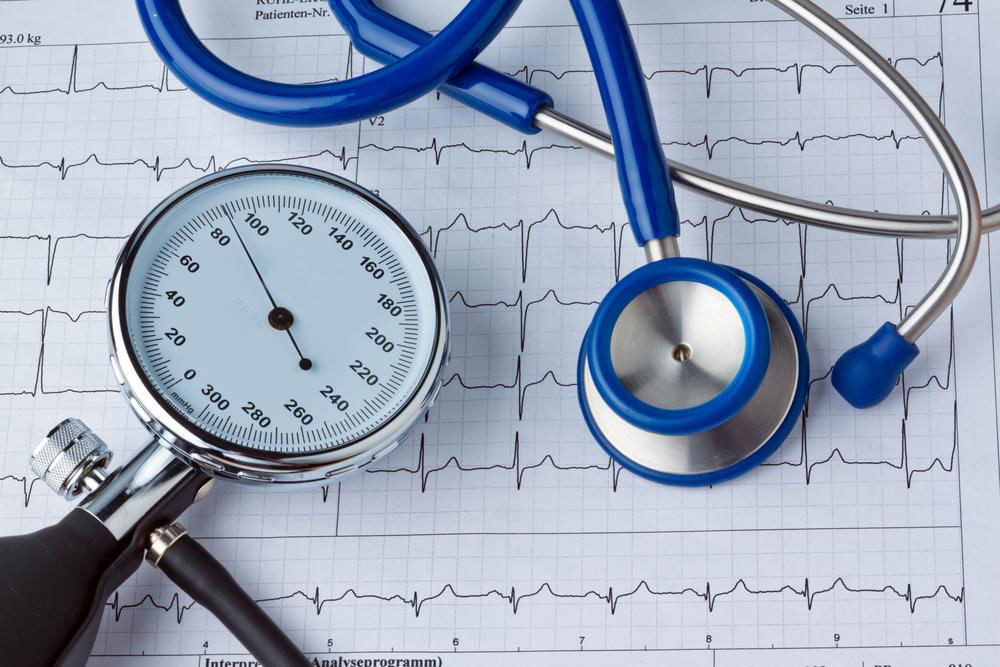
Blood pressure readings consist of two numbers: systolic and diastolic. The systolic measurement indicates the pressure in arteries when the heart contracts and pumps blood, while the diastolic reflects the pressure in arteries when the heart relaxes between beats. Understanding these two components is crucial for accurately interpreting blood pressure data and assessing cardiovascular risk.
Normal blood pressure: A typical reading around 120/80 mmHg. Maintaining within this range, along with a healthy lifestyle, supports optimal heart health and overall well-being.
Prehypertension: Ranges between 120–139 mmHg systolic or 80–89 mmHg diastolic, signaling early warning signs that blood pressure may be rising, necessitating lifestyle modifications and close monitoring.
Stage 1 hypertension: Blood pressure between 140–159 mmHg systolic or 90–99 mmHg diastolic indicates increased cardiovascular risk, often managed through dietary changes, exercise, and, if necessary, medication.
Stage 2 hypertension: Readings exceeding 160/100 mmHg require prompt medical attention, as persistent high blood pressure can lead to severe health issues such as heart attack, stroke, or kidney damage.
Hypertensive crisis: Emergency levels at 180/110 mmHg or higher, often accompanied by symptoms like severe headache, dizziness, chest pain, or blurred vision, demand immediate medical intervention to prevent life-threatening complications.
High blood pressure frequently presents with no symptoms—earning it the nickname “the silent killer.” Regular blood pressure checks are essential, especially for individuals with risk factors including age, obesity, poor diet, lack of physical activity, or family history of hypertension. Early detection allows for timely intervention, significantly reducing the risk of cardiovascular diseases.
Effective management strategies include lifestyle modifications such as reducing salt intake, increasing consumption of natural remedies like coconut water, incorporating omega-3-rich foods like fatty fish, maintaining a healthy weight, engaging in regular physical activity, and managing stress levels. In some cases, healthcare providers may recommend antihypertensive medications to keep blood pressure within safe limits.
Understanding your blood pressure readings using the categorized chart helps you assess your health status accurately. Consistent monitoring and proactive health management can prevent the progression of hypertension and mitigate associated health risks, leading to a longer, healthier life.