Comprehensive Guide to Pneumonia: Causes, Symptoms, Prevention, and Treatment Strategies
This comprehensive guide explores pneumonia, covering its causes, symptoms, diagnosis, and treatment options. It emphasizes early detection, the importance of medical intervention, preventive measures, and lifestyle tips to reduce the risk. With detailed information tailored for patients and caregivers, this article aims to enhance understanding and promote proactive respiratory health management. Learn how to identify symptoms promptly and the best strategies to recover effectively from pneumonia, safeguarding your health and wellbeing.
Comprehensive Guide to Pneumonia: Causes, Symptoms, Prevention, and Treatment Strategies
Pneumonia is a serious respiratory infection that affects millions of people worldwide each year. Caused primarily by bacteria, this lung infection can lead to significant health complications if not diagnosed and treated promptly. While many cases can be managed effectively at home, especially when caught early, severe pneumonia often requires urgent medical intervention and hospitalization. Understanding the intricacies of pneumonia—including its causes, symptoms, diagnostic procedures, and treatment options—is crucial for effective management and prevention.
In this comprehensive guide, we delve into the key aspects of pneumonia, exploring how it infects the lungs, the common risk factors, and the steps you can take to protect yourself and loved ones. We will also address diagnostic methods used by healthcare professionals and outline the most effective treatment strategies to ensure a swift recovery.
Understanding the Causes of Pneumonia
Bacterial Infections: The most prevalent cause of pneumonia is bacterial pathogens entering the lungs through inhalation. Streptococcus pneumoniae is one of the leading bacteria responsible. These bacteria can invade the lung tissue, causing inflammation and fluid accumulation which hampers normal breathing.
Viral Causes: Certain viruses, including influenza viruses and respiratory syncytial virus (RSV), can also cause pneumonia. Viral pneumonia often precedes secondary bacterial infections, complicating the disease's course.
Fungal Infections: Less common, fungal pneumonia can develop in individuals with weakened immune systems, such as those undergoing chemotherapy or living with HIV/AIDS.
Environmental Factors: Exposure to cold weather or sudden temperature changes can depress immune defenses, making individuals more susceptible. Additionally, exposure to pollutants and cigarette smoke increases the risk by impairing lung function.
How Pneumonia Impacts the Body
The infection causes inflammation of the alveoli — the tiny air sacs in the lungs where oxygen exchange occurs. This inflammation leads to fluid or pus filling these sacs, resulting in difficulty breathing and reduced oxygen intake. The immune response to infection often triggers symptoms like fever, chills, and fatigue. For individuals with pre-existing conditions such as diabetes, heart disease, or compromised immune systems, pneumonia can exacerbate their existing health problems and lead to severe complications.
Recognizing Symptoms of Pneumonia
Early recognition of pneumonia symptoms is vital for prompt treatment. Typical signs include:
Persistent cough that may produce mucus
High fever and chills
Shortness of breath or labored breathing
Chest pain often felt during coughing or deep breaths
Fatigue and overall weakness
Nausea, vomiting, or diarrhea in some cases
Rapid heartbeat and sweating
Diagnosing Pneumonia
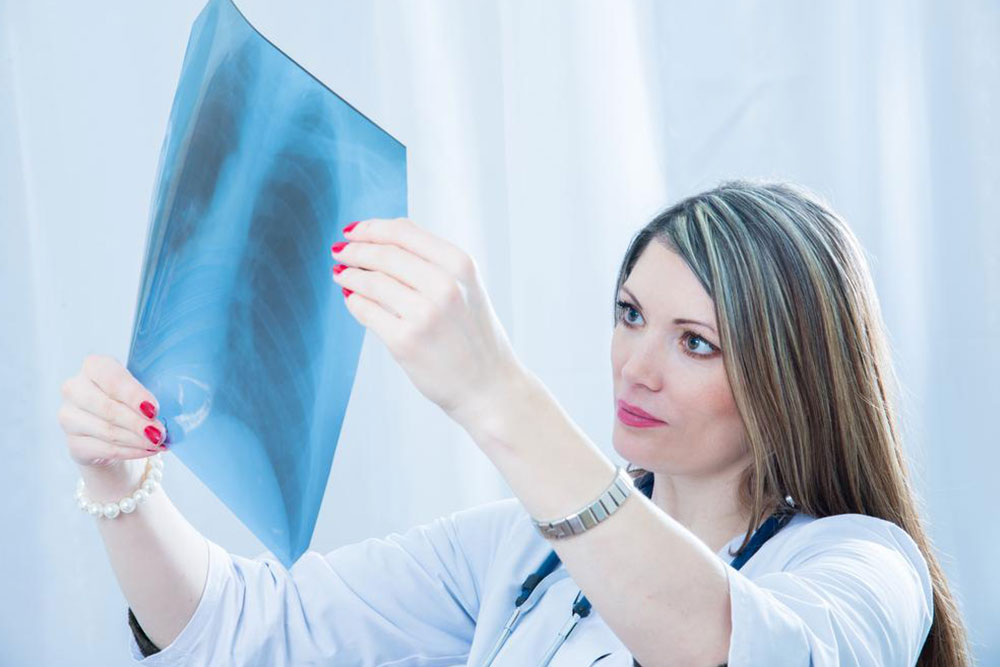
Medical professionals utilize a combination of tests to confirm pneumonia. Chest X-rays are the primary imaging technique to visualize lung inflammation and fluid buildup. Blood tests, such as complete blood count (CBC), help identify infection markers. Sputum samples—mucus coughed up from the lungs—are analyzed to isolate and identify the bacteria or virus causing the disease. Sometimes, additional tests like pulse oximetry or CT scans may be used for detailed assessment.
Effective Treatment Options for Pneumonia
Managing pneumonia entails targeted medical interventions tailored to the causative agent and severity of the disease. The most common treatment involves antibiotics when a bacterial infection is confirmed. Completing the full course of antibiotics is essential to prevent recurrence and resistance development. Supportive care measures include:
Rest: Giving the body sufficient rest helps strengthen the immune response and speeds recovery.
Hydration: Drinking warm fluids like teas or broths prevents dehydration and soothes the throat.
Nutrition: A balanced diet rich in vitamins and minerals supports immune health.
Fever Management: Over-the-counter medications such as acetaminophen or ibuprofen can reduce fever and relieve discomfort.
Severe cases may require hospitalization where oxygen therapy, IV fluids, or respiratory support are administered. In some instances, corticosteroids are prescribed to reduce lung inflammation. Preventive measures, including vaccinations like the pneumococcal vaccine and annual influenza shots, are crucial for high-risk populations.
Preventing Pneumonia
Prevention is better than cure. Maintaining good hygiene practices, avoiding smoking, and managing underlying health conditions can drastically reduce the risk of pneumonia. Vaccination remains one of the most effective preventative strategies, especially for young children, the elderly, and immunocompromised individuals. People should also protect themselves from cold exposure and respiratory irritants.
When to Seek Medical Attention
If you or a loved one experience persistent cough, high fever, difficulty breathing, or chest pain, prompt medical consultation is essential. Elderly patients and individuals with pre-existing health conditions should be particularly vigilant, as pneumonia can escalate rapidly in these groups requiring urgent care.
In conclusion, understanding pneumonia—the causes, symptoms, diagnosis, and treatment—is vital for effective management and prevention. Early detection and proper medical care significantly improve recovery outcomes and reduce the risk of complications. By adopting preventive measures and seeking timely treatment, individuals can protect their respiratory health and maintain a good quality of life.