Comprehensive Guide to Nerve Disorders: Types, Symptoms, and When to Seek Medical Help
This comprehensive guide explores the different types of nerve disorders, their symptoms, and when to seek medical help. It emphasizes the importance of early diagnosis and understanding nerve damage's impact on bodily functions, helping individuals recognize warning signs and pursue appropriate treatment to improve their quality of life.

Comprehensive Guide to Nerve Disorders: Types, Symptoms, and When to Seek Medical Help
Nerve disorders, commonly referred to as neuropathy, encompass a wide range of conditions characterized by damage or malfunction of nerves throughout the body. These conditions can significantly impact daily functioning, quality of life, and overall health. Understanding the various types of nerve disorders, their specific symptoms, and the warning signs that indicate the need for medical intervention is essential for early diagnosis and effective treatment. This in-depth guide aims to shed light on the complex world of nerve-related health issues, explaining how different nerves are affected and what symptoms to watch for.
Classification of Nerve Damage
Peripheral Neuropathy: This form of nerve damage affects the nerves outside the brain and spinal cord, known as the peripheral nerves. These nerves are responsible for transmitting signals between the central nervous system and the rest of the body, including limbs, skin, muscles, and organs. Peripheral neuropathy can result from various causes, including diabetes, infections, traumatic injuries, or hereditary conditions. People with this condition often experience numbness, tingling, or weakness in their hands and feet, which may progress over time.
Cranial Neuropathy: Involving damage to the cranial nerves that emerge directly from the brain stem, cranial neuropathy impacts nerves such as the auditory nerve (responsible for hearing) or the optic nerve (responsible for vision). Symptoms often include visual disturbances, hearing problems, or facial paralysis, depending on which cranial nerve is affected. Causes can range from infections to tumors or neurological diseases.
Autonomic Neuropathy: This type targets the nerves involved in involuntary bodily functions, such as heart rate, blood pressure, digestion, and sweating. Damage to autonomic nerves can lead to a variety of symptoms including abnormal heart rates, digestive issues like nausea or diarrhea, and abnormal blood pressure, which may cause fainting or dizziness. It is often associated with conditions like diabetes, autoimmune diseases, or certain infections.
Focal Neuropathy: Focal neuropathy refers to damage that is localized to specific nerves or nerve groups within particular areas of the body. It often manifests as sudden weakness, pain, or loss of function in an isolated part of the body, such as the face, arm, or leg. This type can result from trauma, compressed nerves, or infections, and may sometimes resolve on its own or require targeted treatment.
Top 5 Symptoms of Nerve Disorders
Recognizing nerve disorder symptoms early is crucial for effective management. While symptoms can vary based on the nerve affected and the underlying cause, some common indicators point toward nerve impairment. Not everyone will experience all symptoms at once, and sometimes initial signs are subtle or difficult to notice.
The five most frequently observed symptoms include:
Persistent dizziness, unexplained fatigue, and muscle weakness that hampers daily activities
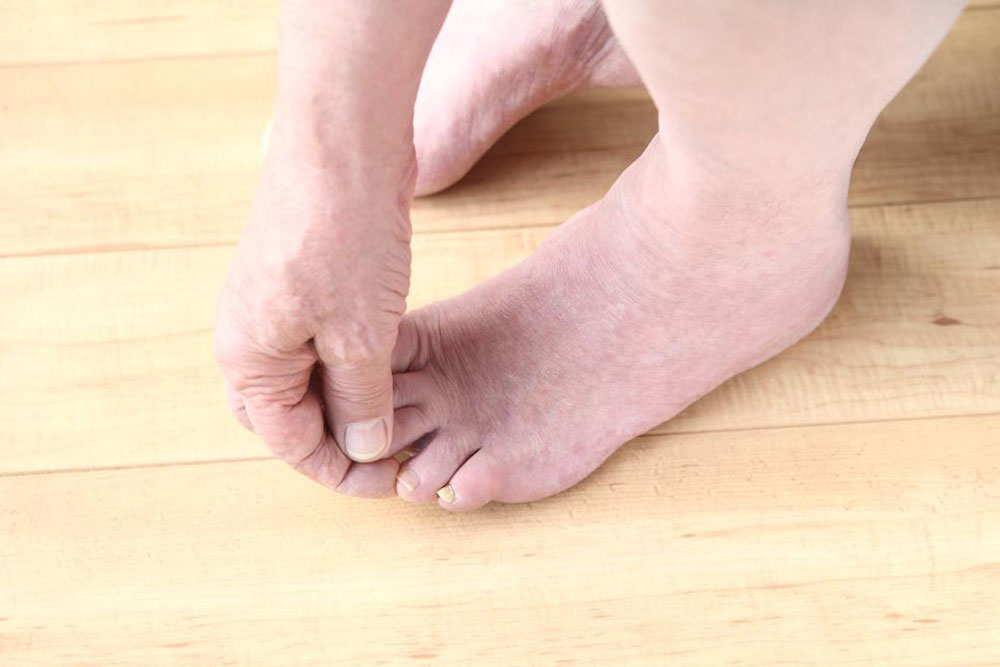
Burning sensations, tingling, or intermittent numbness in affected areas, especially in the hands and feet
Increased sensitivity to touch or pain, even from slight stimuli
Disruption of involuntary bodily functions, such as irregular heartbeat, digestive troubles, or abnormal sweating
Urinary irregularities, including difficulty urinating, incontinence, or the inability to fully empty the bladder
Understanding these signs is vital, as they reflect how nerve damage interferes with normal bodily functions, potentially leading to more serious health issues if left unaddressed.
Our body's nervous system comprises two primary components:
Central Nervous System (CNS): Consisting of the brain and spinal cord, the CNS is the control center for processing information and coordinating actions.
Peripheral Nervous System (PNS): This network connects the CNS to limbs, organs, and tissues. It includes voluntary nerves that control movements and involuntary nerves regulating automatic functions like heartbeat, respiration, and digestion.
Damage to any part of these systems can impair movement, sensation, and organ function, highlighting the importance of timely diagnosis and treatment. Recognizing nerve damage early enables healthcare providers to implement strategies that can alleviate symptoms and prevent progression.
When to Consult a Healthcare Professional
If you observe any signs or symptoms related to nerve problems, seek medical advice promptly. Early consultation can facilitate accurate diagnosis through various tests such as X-rays, MRI scans, CT scans, electromyography (EMG), nerve conduction velocity (NCV) testing, or nerve biopsies. These diagnostic tools help pinpoint the exact nature and location of nerve damage, guiding effective treatment options.