Comprehensive Guide to the Top 5 Skin Disorders You Must Know About
Discover the top 5 skin disorders that everyone should recognize, including acne, hives, rosacea, hyperpigmentation, and cellulitis. Learn about their causes, symptoms, and treatments to maintain healthy skin. This comprehensive guide provides practical tips for prevention and management, helping you take proactive steps towards skin health and early intervention. Understanding these common skin conditions is essential for effective care and maintaining a vibrant complexion. Stay informed and protect your skin from potential issues with expert advice.

Comprehensive Guide to the Top 5 Skin Disorders You Must Know About
The skin, our body's largest organ, serves multiple critical functions beyond just providing a protective barrier. It plays an essential role in temperature regulation, immune defense, hydration balance, and synthesizing vitamin D. Given its exposure to various environmental and internal factors, skin is susceptible to a wide array of disorders and conditions. These skin issues can arise from genetic predispositions, lifestyle choices, environmental influences, or infections. Recognizing these conditions early and understanding preventive measures can significantly improve skin health and overall well-being.
Understanding Common Skin Diseases and Conditions
Skin conditions encompass a broad spectrum of problems caused by bacteria, viruses, fungi, allergens, parasites, and even malignancies. Some are temporary and easily treatable, while others may require ongoing management. This article aims to shed light on the most prevalent skin disorders, their causes, symptoms, and recommended treatments to help you maintain healthy and vibrant skin.Here, we will explore some of the most common skin problems encountered worldwide and provide practical tips for prevention and management:
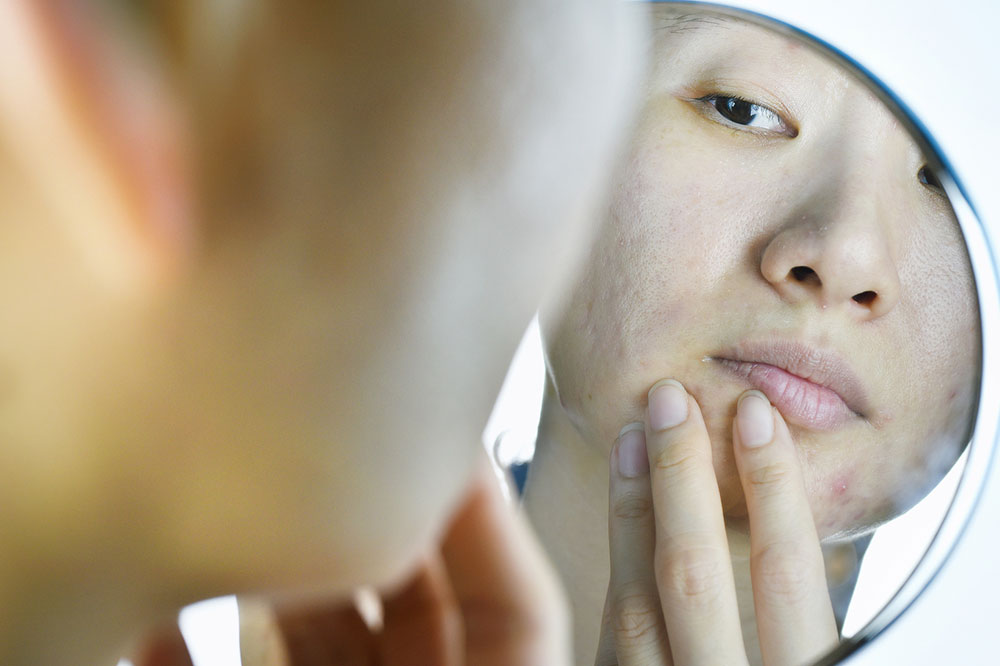
Acne: A widespread skin issue predominantly affecting teenagers but also persisting into adulthood. Acne results from excess sebum production, hormonal fluctuations, bacterial overgrowth, and accumulation of dead skin cells, appearing mainly on the face, neck, shoulders, chest, and back. If left untreated, acne can lead to scarring, both physically and psychologically.
Hives (Urticaria): These are raised, itchy welts that appear abruptly on the skin surface. Usually caused by allergic reactions to foods, medications, insect bites, environmental triggers, or stress, hives often resolve on their own within hours or days. However, persistent or chronic hives may signify underlying health conditions requiring medical attention. Managing hives involves antihistamines, allergen avoidance, and stress reduction strategies.
Rosacea: A chronic inflammatory skin condition characterized by persistent redness, flushing, bumps, and visible blood vessels, primarily affecting the face. Rosacea affects approximately 5.5% of adults globally. Its exact cause remains unclear, but triggers include spicy foods, hot beverages, alcohol, hot weather, stress, and certain skincare products. While rosacea isn’t curable, mindful skincare, avoiding triggers, and medications can help control symptoms.
Hyperpigmentation: This condition manifests as dark patches or spots on the skin, often resulting from excess melanin production. Causes include genetic factors, hormonal shifts such as pregnancy or birth control, sun exposure, skin injuries, or underlying health issues like thyroid disorders. Protecting the skin from UV rays, using targeted skincare products, and consulting dermatologists for treatments like topical bleaching agents or corticosteroids can help diminish hyperpigmentation.
Cellulitis: A bacterial infection affecting the deeper layers of the skin and subcutaneous tissues. It commonly occurs after skin injuries, cuts, or trauma. The affected area appears red, swollen, tender, and warm. If untreated, cellulitis can spread rapidly, leading to serious complications, including tissue damage, abscess formation, or systemic infections. Prompt antibiotic therapy and proper wound care are essential to prevent deterioration.
Maintaining healthy skin involves adopting good skincare practices, protecting against environmental stressors like UV rays, and seeking early medical advice when abnormalities occur. Recognizing the signs of these common skin conditions can lead to more effective treatments and improved skin health. Remember, consulting dermatologists for persistent or worsening issues is always recommended to receive personalized and effective care.