US Braces Guide 2025: Metal, Ceramic, Aligners – Costs & Treatment
Compare metal braces, ceramic braces, and clear aligners. Learn costs, treatment timelines, and what to expect during orthodontic care.
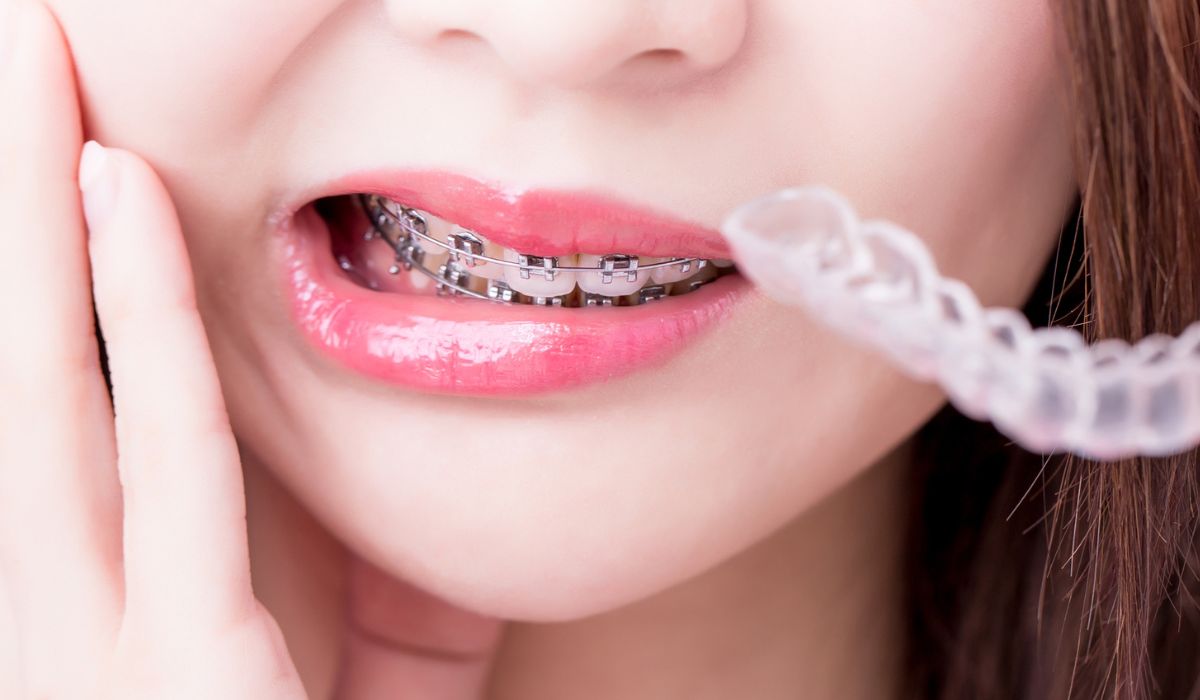
Introduction
Orthodontic treatment is a major decision for both teens and adults. This guide provides an in-depth comparison of the three most common options: metal braces, ceramic braces, and clear aligners. You will learn about their costs, effectiveness, visibility, and the overall treatment process to make an informed choice.
Types of Orthodontic Treatments
Metal Braces
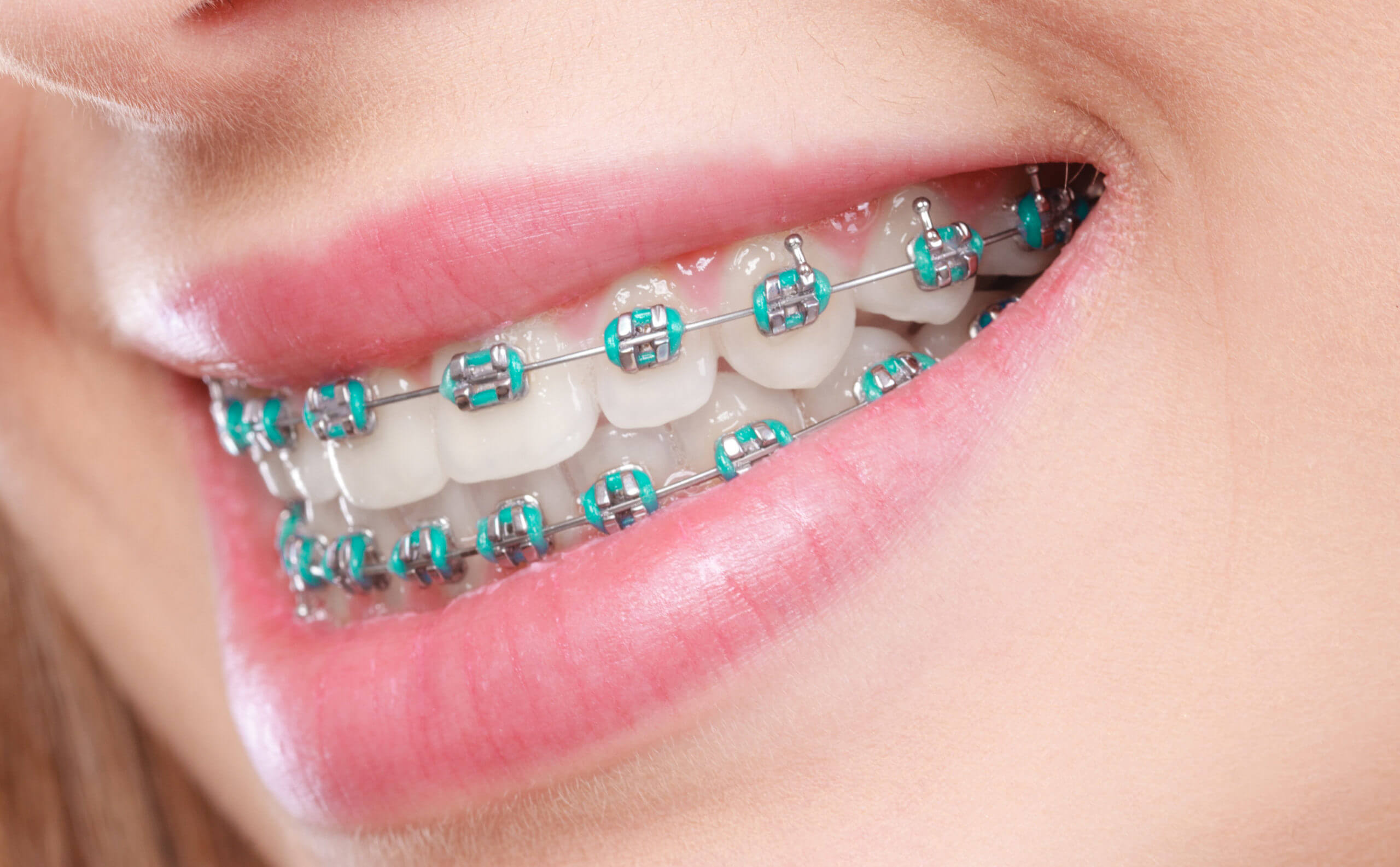
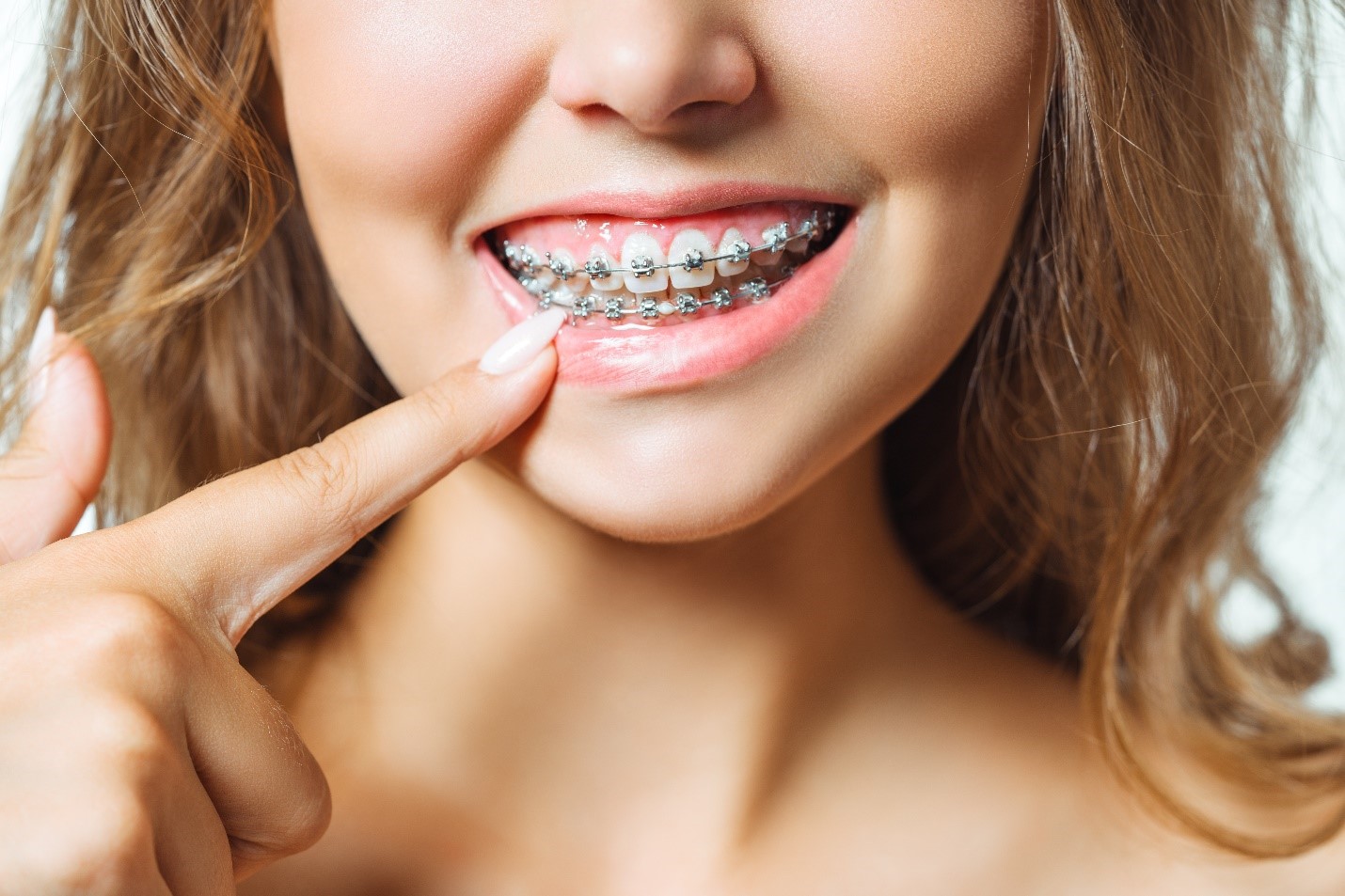
Traditional metal braces use stainless steel brackets and wires. They cost between $3,000 and $7,000 and typically require 18–36 months of treatment. Metal braces are the most affordable and durable option, making them ideal for complex orthodontic cases. They are highly visible, but patients can personalize them with colorful elastic ties.
Ceramic Braces
Ceramic braces function similarly to metal braces but use tooth-colored brackets that blend with natural enamel. Their cost ranges from $4,000 to $8,000 with a treatment duration of 18–36 months. They are less visible than metal braces but are more fragile and prone to staining from foods and drinks. Patients need to avoid dark beverages and certain foods to keep brackets clear.
Clear Aligners
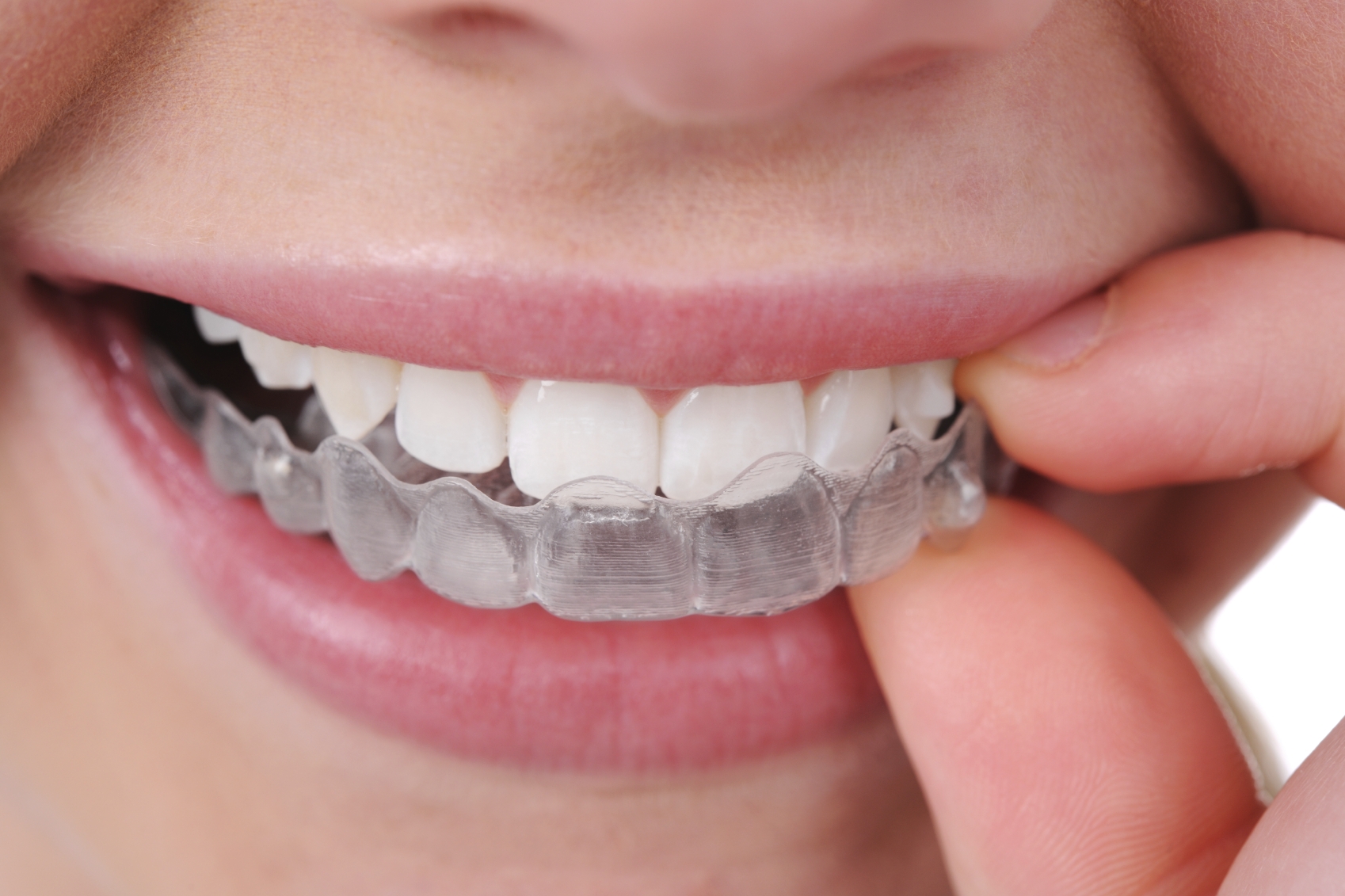
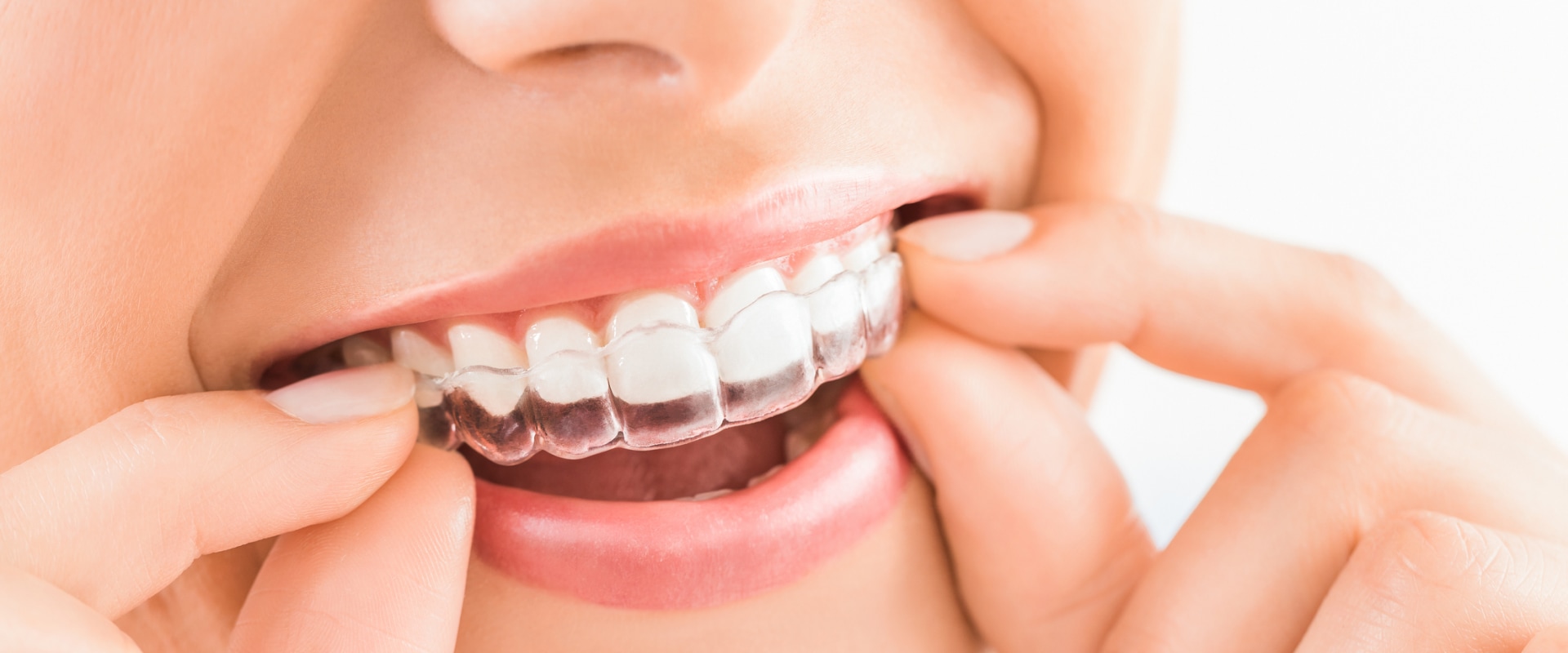
Clear aligners, such as Invisalign, consist of custom plastic trays worn for 20–22 hours daily. The cost is $3,500 to $8,000 and treatment usually finishes in 12–24 months. Aligners are virtually invisible and removable for eating and cleaning, but require strict patient discipline. They may not be suitable for severe bite issues or complex tooth movements.
Cost Comparison and Savings Options
Orthodontic costs depend on the type of appliance, complexity of the case, geographic location, and provider experience. Metal braces are the most budget-friendly, while lingual braces are the most expensive. Dental insurance often covers a portion of treatment for children and teens. To reduce out-of-pocket expenses, consider payment plans, dental school clinics, community health centers, or discounts for upfront payment and multiple family members. Many orthodontists also offer flexible financing options.
The Treatment Journey
Initial Consultation
During the first visit, the orthodontist takes X-rays, photographs, and impressions (or digital scans) to evaluate your bite and alignment. They discuss your goals, recommend the most suitable brace type, and provide an estimate of treatment time and costs.
Placement and Adjustments
Braces are bonded to the teeth in a 1–2 hour appointment. Wires are inserted and tightened. Follow-up appointments every 4–8 weeks allow the orthodontist to adjust tension, change wires, and monitor progress. For clear aligners, patients receive a series of trays and change them every 1–2 weeks.
Retention Phase
After active treatment ends, retainers are essential to prevent teeth from shifting. Retainers can be fixed (bonded behind the teeth) or removable. Wearing them exactly as directed ensures long-term stability of the new smile.
Frequently Asked Questions
How do braces move teeth? Braces apply gentle, continuous pressure that triggers bone remodeling. Osteoclasts break down bone on the compression side while osteoblasts build new bone on the tension side, with the periodontal ligament mediating this process.
What are the main differences between metal, ceramic, and aligners? Metal braces are the most durable and affordable but highly visible. Ceramic braces are less noticeable but more fragile and expensive. Clear aligners are invisible and removable but require discipline and may not correct severe cases.
What affects the total cost of orthodontic treatment? Factors include brace type, case complexity, provider expertise, location, and length of treatment. Insurance, payment plans, and dental school clinics can reduce costs significantly.
What are the stages of orthodontic treatment? The process consists of consultation, placement, regular adjustments, removal of appliances, and retainer wear. Each stage is critical for achieving and maintaining a correct bite and straight teeth.