Clear Aligners vs Traditional Braces for Adults: Cost, Care, and Effectiveness
Compare clear aligners and braces for adults: costs, maintenance, and treatment scope. Find the best orthodontic option for your smile.

Introduction: Clear Aligners vs Braces for Adults
Adults seeking a straighter smile face a common dilemma: clear aligners or traditional braces. Each option has distinct advantages in aesthetics, convenience, and effectiveness. This guide compares cost, maintenance, treatment scope, and more to help you make an informed decision.
Cost Comparison: Aligners vs Braces
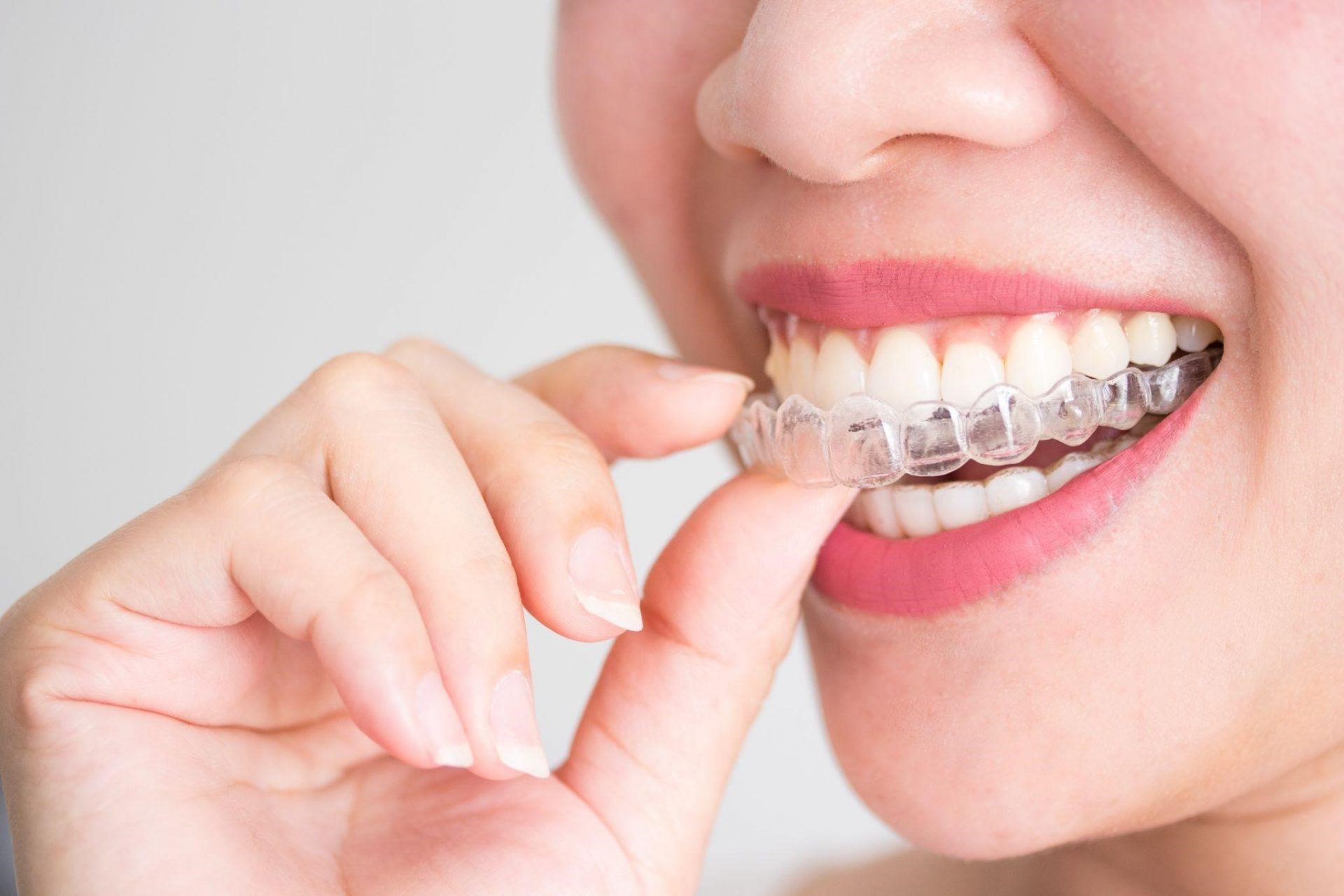
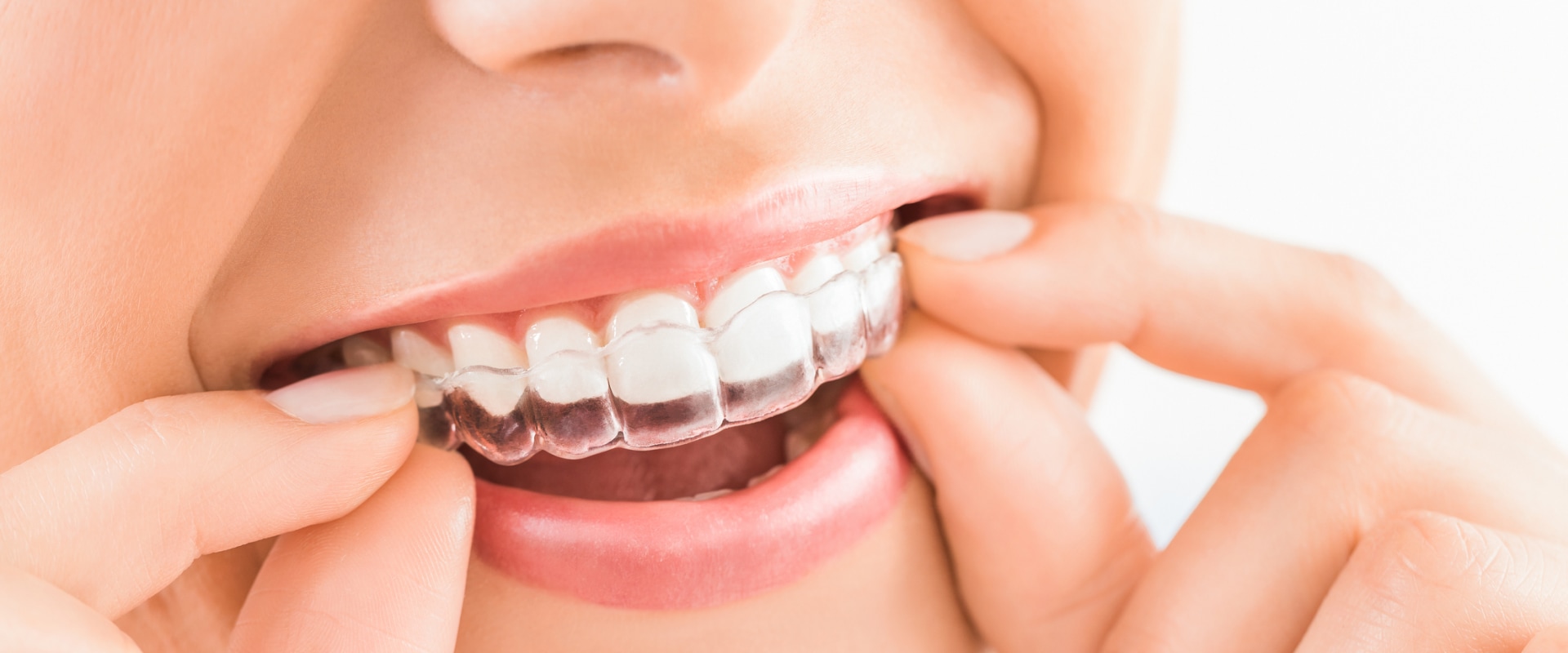
Clear Aligners
Clear aligners like Invisalign typically cost between $1,495 and $8,000, depending on case complexity and provider. Many insurance plans offer partial coverage, and payment plans are common. The higher end often reflects advanced technology and aesthetic appeal.
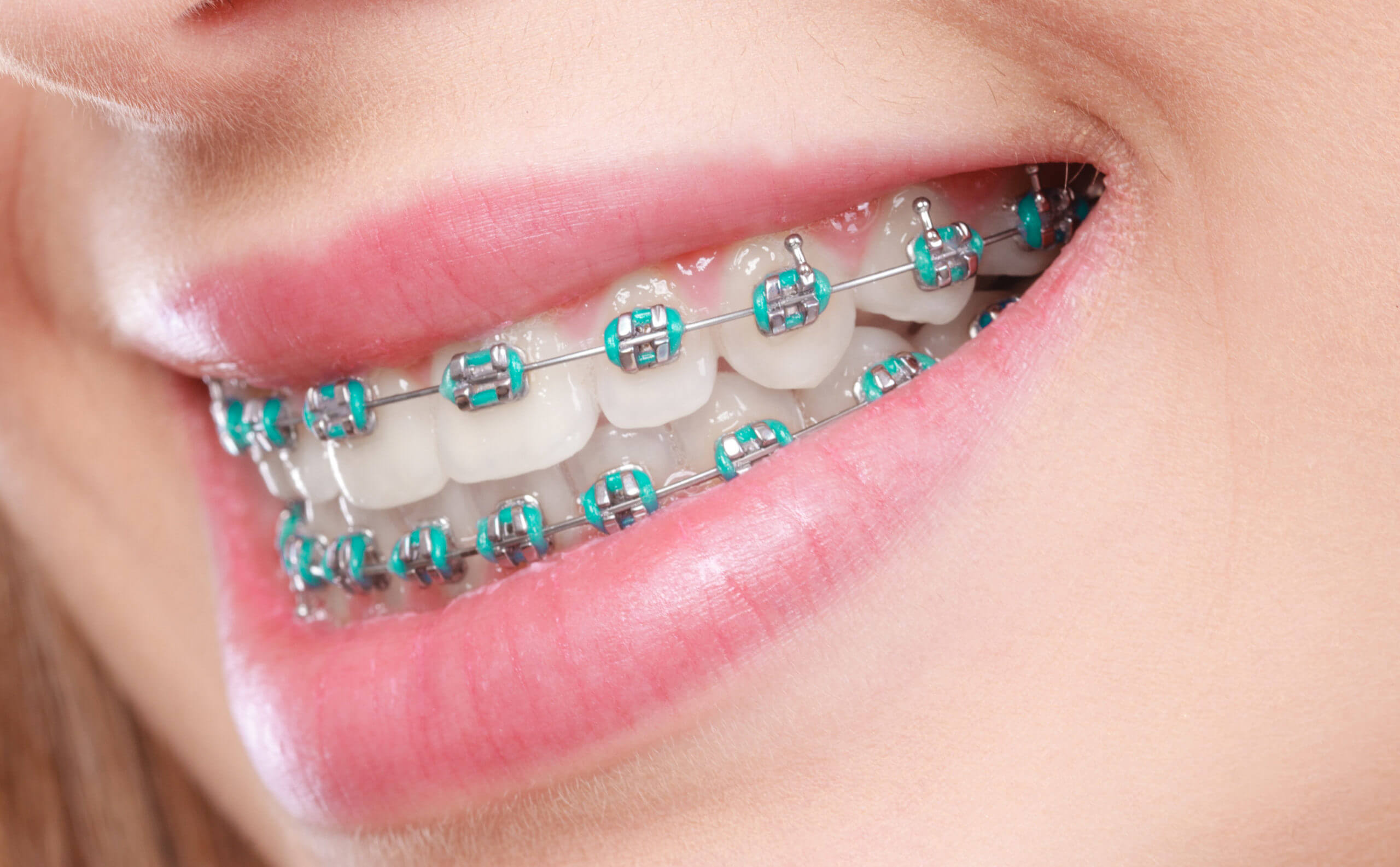
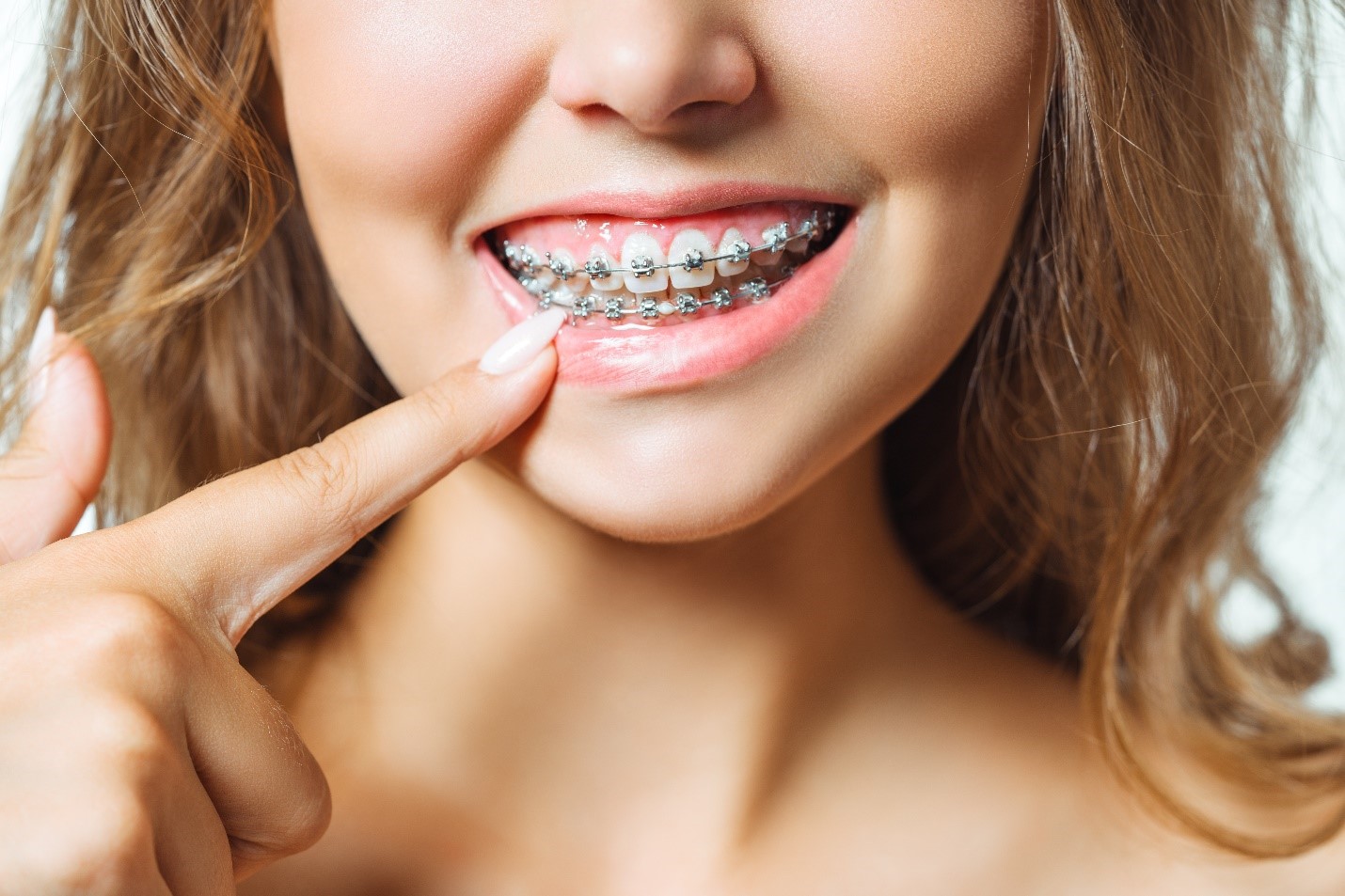
Traditional Braces
Braces range from $3,000 to $7,000. Insurance often provides better coverage for braces, making them more affordable for complex cases. For simple adjustments, aligners may be cheaper; for severe issues, braces offer better long-term value.
Maintenance and Daily Care
Caring for Clear Aligners
Cleaning: Brush aligners daily with a soft toothbrush and mild soap; avoid abrasive cleaners.
Storage: Keep in a protective case when not worn to prevent loss or damage.
Replacement: Swap to a new set every two weeks as directed.
Caring for Braces
Brushing: Use a soft-bristled brush and fluoride toothpaste, cleaning around brackets and wires. Interdental brushes help reach tight spots.
Flossing: Use floss threaders to clean between teeth and under wires.
Orthodontist visits: Schedule adjustments every 4–8 weeks to monitor progress.
Treatment Scope: When Each Option Excels
Clear Aligners
Aligners work best for mild to moderate crowding, gaps, and minor bite issues. They require patient compliance—wearing them 20–22 hours daily and changing trays on schedule. Success depends on discipline.
Traditional Braces
Braces are the gold standard for severe misalignments, complex bite corrections, and significant tooth movement. Their fixed design ensures constant pressure, eliminating reliance on patient compliance. Orthodontists have precise control over outcomes.
Frequently Asked Questions
What removable braces options are available for adults? Invisalign clear aligners (removable), ceramic braces (tooth-colored brackets), and lingual braces (behind teeth, fixed). Invisalign is the most discreet and removable option.
How do maintenance requirements differ between aligners and braces? Aligners need daily cleaning and proper storage; braces require meticulous brushing and flossing around brackets and wires, plus regular orthodontic follow-ups.
Is Invisalign as effective as traditional braces? For mild to moderate cases, Invisalign is highly effective. For severe issues, braces often achieve faster, more predictable results due to constant force and precise adjustments.
What factors influence the cost of adult orthodontics? Type of appliance, case complexity, treatment duration, geographic location, and orthodontist experience. Aligners may cost more upfront but offer aesthetic benefits.
Can aligners treat all orthodontic problems? No. Aligners are suitable for mild to moderate crowding, gaps, and minor bite issues. Severe cases involving tooth rotation or jaw alignment typically require braces or other appliances.