Invisalign Guide: Benefits, Cost, Comparison with Braces & How It Works
Discover how Invisalign works, its benefits, cost range, and a detailed comparison with traditional braces. Find a qualified provider near you.

How Invisalign Works
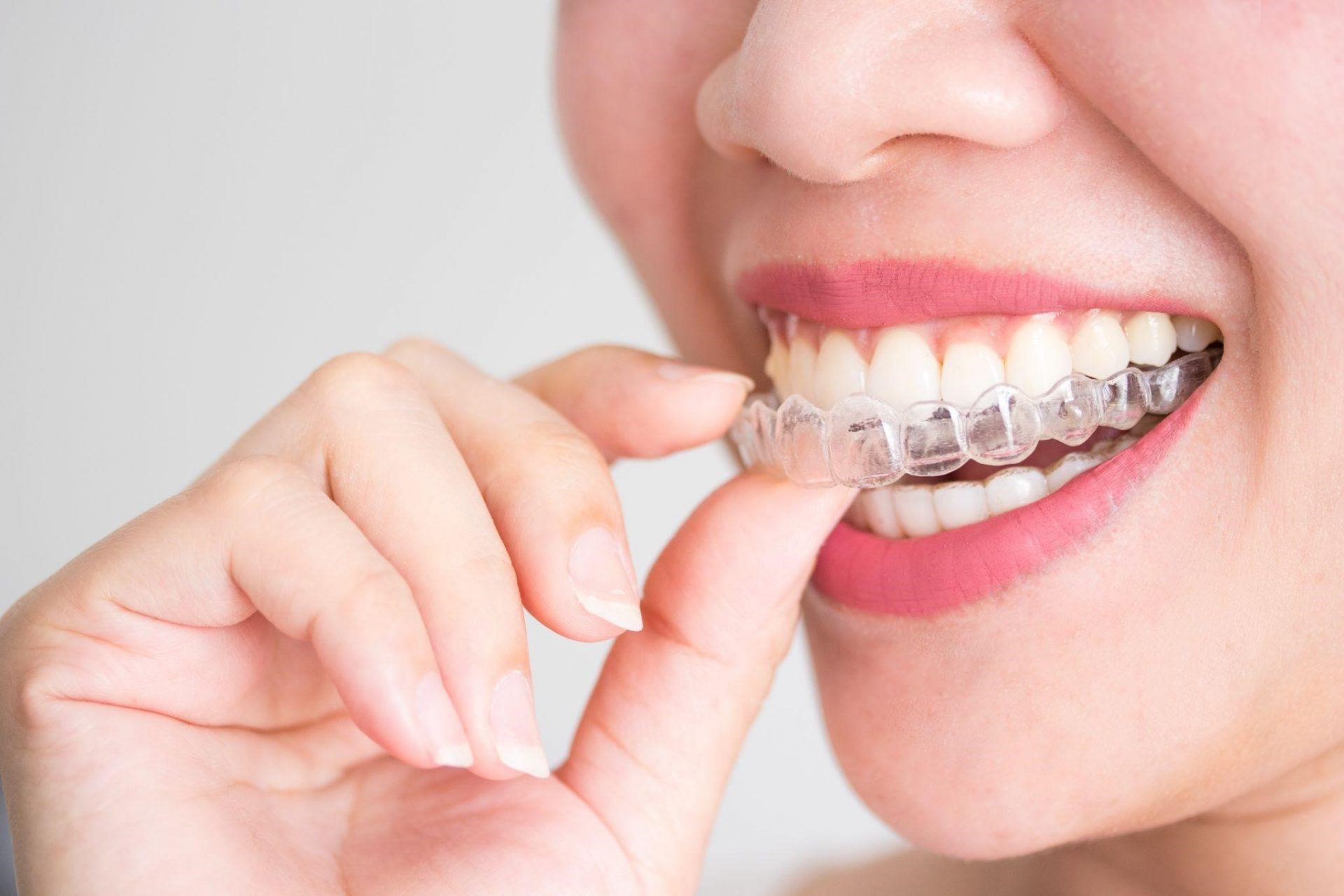
Invisalign uses a series of custom-made clear plastic aligners to shift teeth into better positions gradually. The process begins with a consultation where digital scans of your teeth are taken. Using advanced 3D software called ClinCheck, a personalized treatment plan maps every tooth movement. Each aligner is worn for about two weeks before moving to the next set, applying gentle pressure to achieve the desired results. Aligners are removable for eating, drinking, and cleaning, making them a convenient and nearly invisible alternative to metal braces.
Key Benefits of Invisalign
Patients choose Invisalign for several compelling reasons:
Discreet Appearance – The clear plastic makes aligners nearly invisible, ideal for adults and teens who want to avoid the look of metal braces.
Comfort – Smooth SmartTrack material reduces irritation to cheeks and gums, with no sharp edges.
Convenience – Removable aligners allow you to eat normally and maintain oral hygiene without extra effort.
Predictability – ClinCheck software lets you see your expected results before starting treatment.
Invisalign vs. Traditional Braces: Detailed Comparison
| Feature | Invisalign | Braces |
|---|---|---|
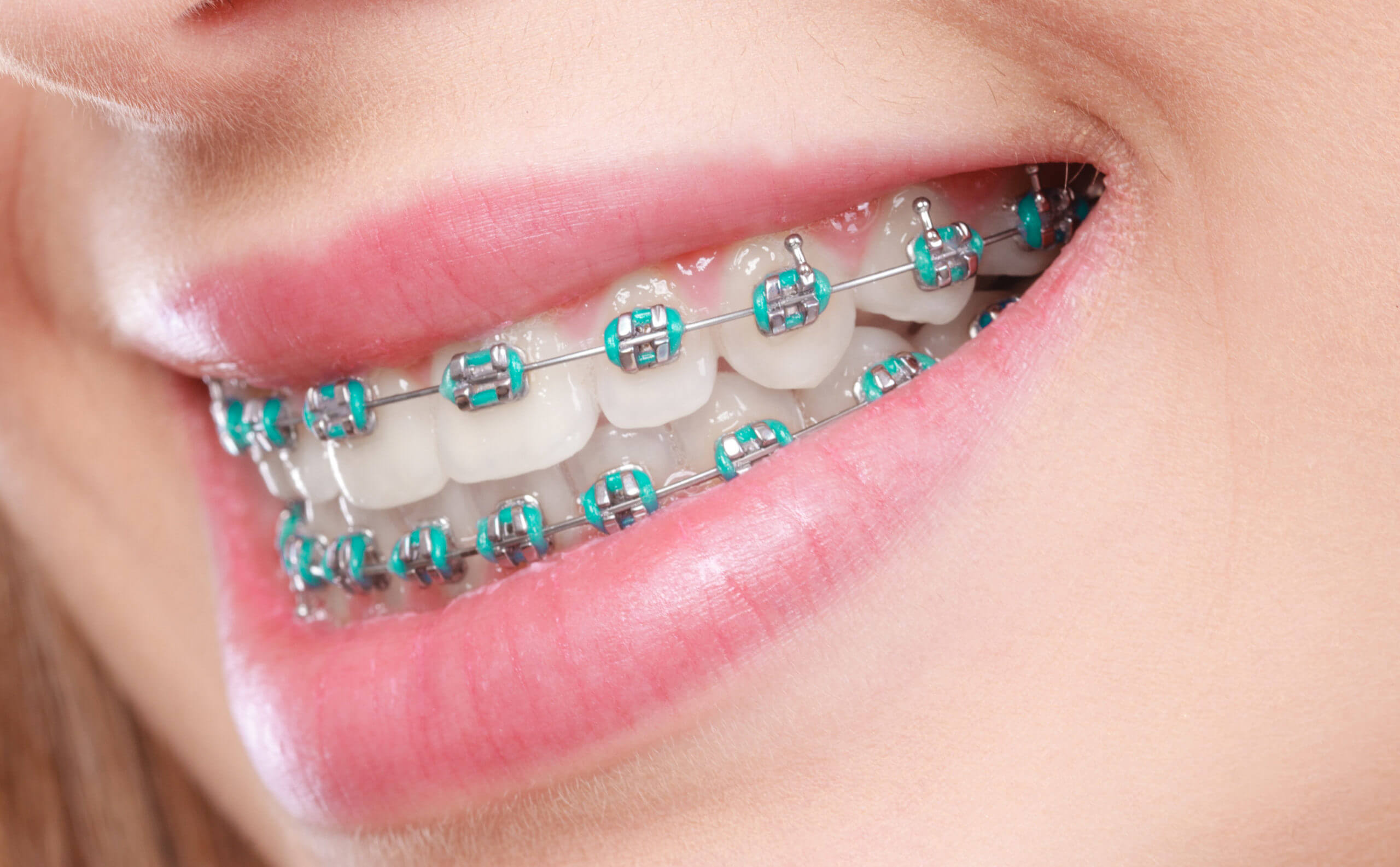
| Appearance | Clear, nearly invisible | Metal brackets and wires visible |
| Comfort | Smooth plastic, no sharp edges | Can cause mouth sores |
| Removability | Removable for meals and cleaning | Fixed for entire treatment |
| Maintenance | Easy – brush aligners and teeth | Requires special flossing and brushes |
| Treatment Duration | 6–18 months (mild to moderate cases) | Similar range, but effective for severe misalignments |
| Cost | $3,000–$7,000 | $2,500–$6,000 |
Cost of Invisalign Treatment
Invisalign treatment typically costs between $3,000 and $7,000 in the US, UK, and Canada. The final price depends on case complexity, provider experience (Elite or Top 1% providers may charge more), and insurance coverage. Many dental plans cover a portion of orthodontic treatment. Providers often offer payment plans to make treatment more affordable.
Invisalign vs. Dental Implants
Invisalign is for straightening teeth, while dental implants replace missing teeth. Invisalign is non-invasive with removable aligners; implants require surgery and cost $1,500–$6,000 per implant. Both can improve your smile but address different problems.
Finding a Qualified Invisalign Provider
Start with Invisalign’s official “Find a Doctor” tool to locate certified providers. Look for designations like Preferred, Elite, or Top 1% to gauge experience. Read patient reviews on Google, Yelp, or Trustpilot. Schedule consultations with two or three providers to compare treatment plans, costs, and communication. Ask about their experience with cases similar to yours.
Frequently Asked Questions
How long does treatment take? Typically 6 to 18 months, depending on the severity of misalignment.
Can I eat or drink with aligners on? No – remove them for anything other than plain water to avoid staining and damage.
Is Invisalign suitable for children? Yes, Invisalign Teen is designed for younger patients with developing teeth.
How often do I need check-ups? Every 6–8 weeks for progress monitoring and new aligner sets.