Hospital Cleaner Career Guide: Duties, Training, and Advancement
Discover how hospital cleaners prevent infections, manage waste, and support care. Learn duties, training, and career opportunities.
Why Hospital Cleaners Matter
Hospital cleaners are essential frontline workers who protect patients, staff, and visitors from healthcare-associated infections (HAIs). The CDC reports that roughly 1 in 31 U.S. hospital patients contracts an HAI daily. Through rigorous cleaning, disinfection, and waste management, these professionals reduce infection risks and support overall hospital hygiene. Their role extends beyond cleaning—they also restock supplies, assist with patient comfort, and ensure healthcare operations run efficiently.
Key Duties and Responsibilities
Disinfection of High-Touch Surfaces
Cleaners regularly disinfect door handles, bed rails, medical equipment, and patient beds. This prevents cross-contamination and maintains sterile conditions for surgeries and treatments.
Floor Care and Sanitization
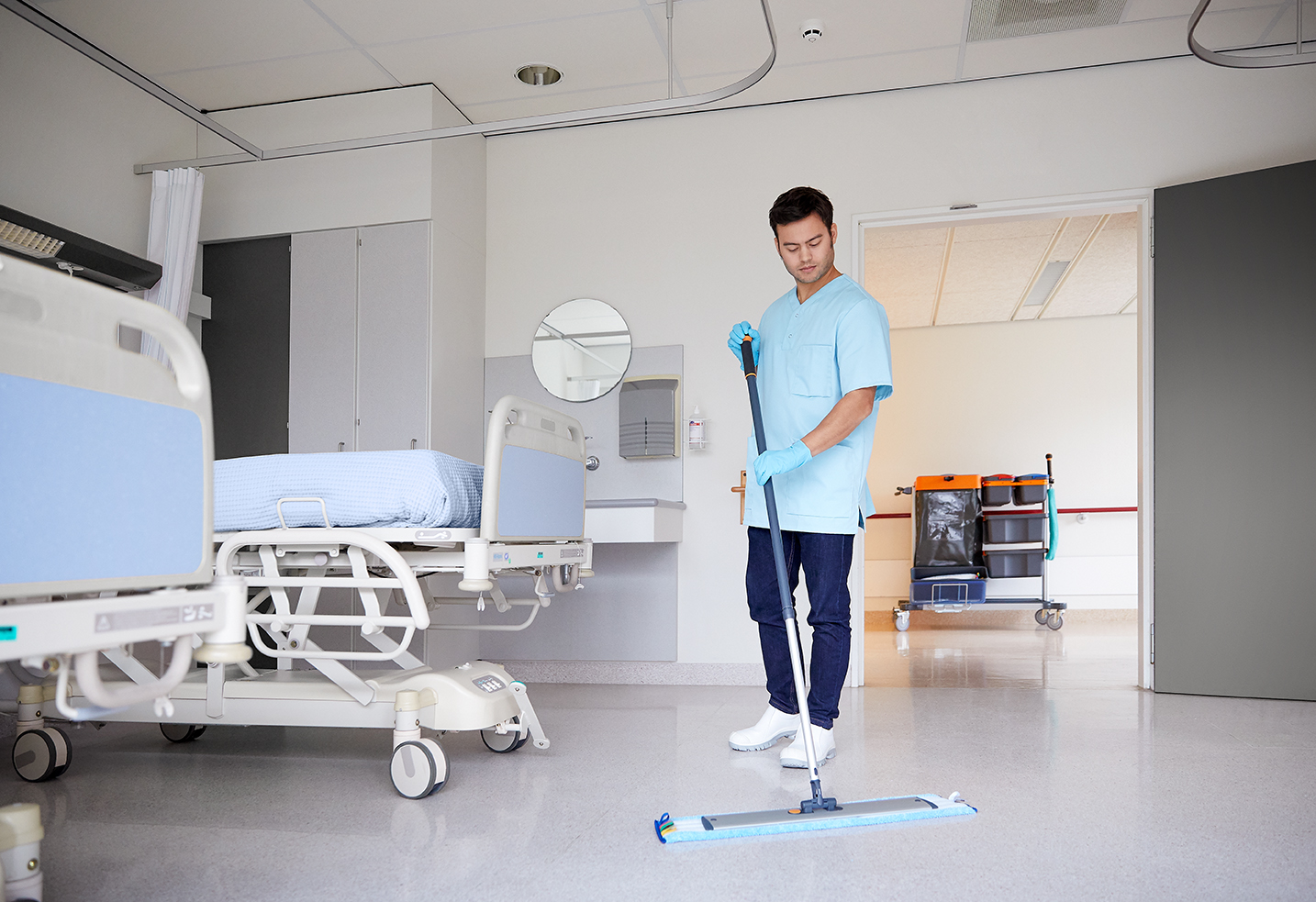
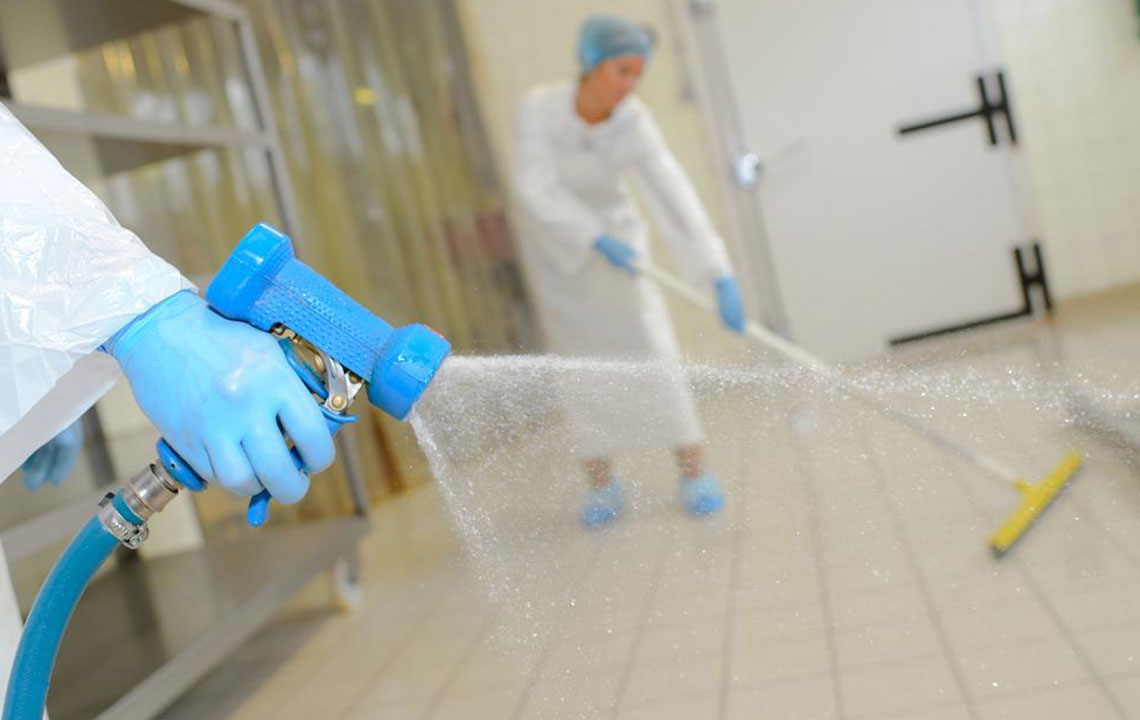
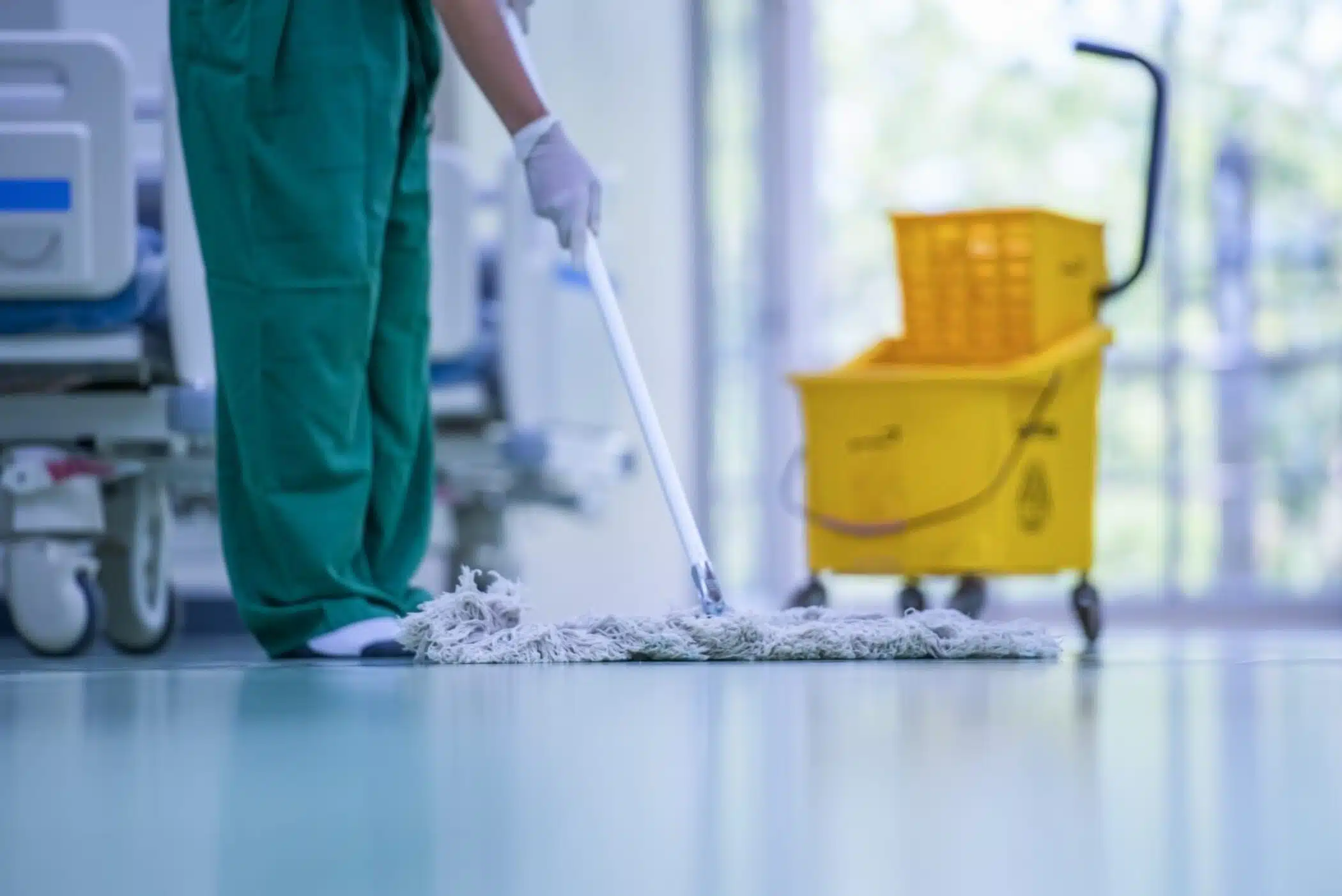
Using specialized machinery, they clean and disinfect floors in critical areas like operating rooms, ICUs, and emergency departments. This reduces pathogen buildup and slip hazards.
Medical Waste Management
Following strict protocols, cleaners handle biohazardous materials, sharps, and contaminated items. Safe disposal protects everyone from exposure to infectious agents.
Supply Restocking
They replenish gloves, masks, disinfectants, and other essentials, ensuring healthcare workers have uninterrupted access to necessary supplies.
Patient Interaction and Support
In some facilities, cleaners deliver meals, water, and amenities, offering friendly interactions that uplift patient morale.
How to Pursue a Hospital Cleaning Career
Education and Training
A high school diploma or equivalent is usually required. Hospitals provide on-the-job training covering infection control, cleaning agents, and equipment use.
Optional Certifications
Infection Control Training – Focus on disease prevention strategies.
Hazardous Waste Management Certification – Safe handling of biohazardous materials.
Essential Skills
Attention to detail, time management, and teamwork are critical. Cleaners often work independently or as part of a team.
Work Environment and Benefits
Hospitals operate 24/7, offering flexible shifts—morning, evening, overnight, part-time, or full-time. Benefits may include accommodation, health insurance, paid vacation, and overtime pay.
Job Demand and Growth
The U.S. Bureau of Labor Statistics projects 6% employment growth for janitors and cleaners (including healthcare) from 2021 to 2031. The COVID-19 pandemic highlighted the essential nature of rigorous hospital cleaning, boosting demand.
Typical 8-Hour Shift Breakdown
| Task | Time Allocation |
|---|---|
| Surface and Equipment Cleaning | 40% |
| Waste Management | 20% |
| Floor Disinfection | 15% |
| Restocking Supplies | 10% |
| Patient Support Activities | 15% |
Challenges and Rewards
Challenges
Physical demands: heavy lifting, long hours standing, repetitive motions.
Health risks: exposure to infectious diseases and hazardous materials (mitigated by PPE and training).
Emotional impact: working near seriously ill patients can be stressful.
Rewards
Many cleaners find deep satisfaction in knowing their work directly saves lives and improves patient outcomes. The role offers a sense of purpose and tangible public health impact.
Career Advancement Opportunities
Hospital cleaning can lead to other healthcare roles:
Sanitation Supervisor – Oversee cleaning teams and ensure compliance.
Healthcare Support Worker – Assist medical staff with basic patient care.
Specialized Cleaning – Focus on infection control or hazardous waste.
The field provides a stable career path with growth potential.
Final Thoughts
Hospital cleaner jobs offer stability, flexibility, and the chance to make a real difference. With competitive benefits, career development opportunities, and growing demand, this role is an excellent choice for those seeking meaningful work in healthcare. If you want a challenging yet rewarding job that directly contributes to patient safety, consider becoming a hospital cleaner.