Hospital Cleaners: Essential Roles in Infection Prevention, Training, and Career Growth
Learn how hospital cleaners reduce HAIs, what training they need, and why demand is rising. Key stats and career insights.
The Vital Role of Hospital Cleaners in Healthcare
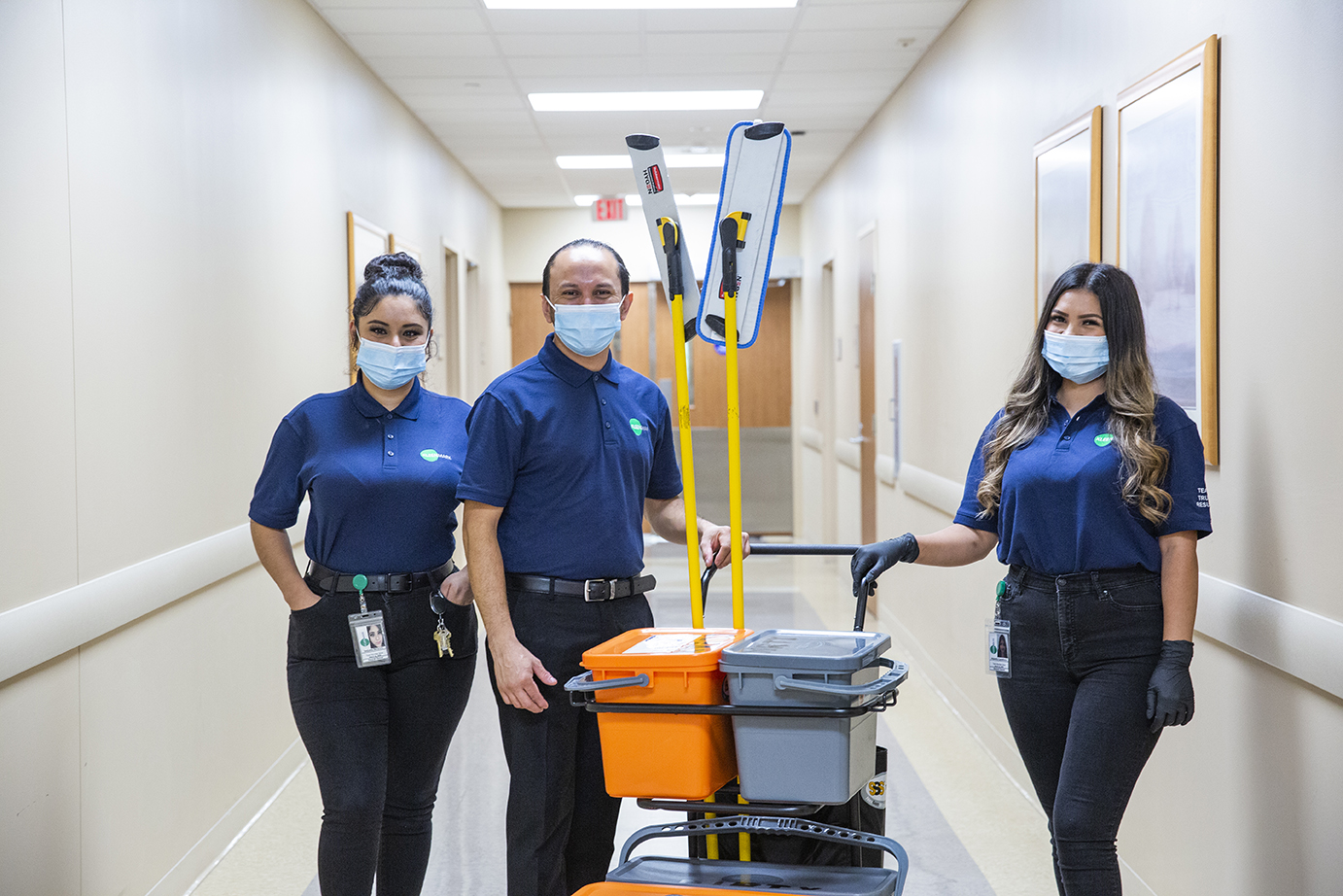
Hospital cleaners are frontline defenders against healthcare-associated infections (HAIs). The CDC reports that approximately 1 in 31 hospital patients contracts an HAI daily, highlighting the critical need for thorough cleaning and disinfection. These professionals ensure safe environments for patients, staff, and visitors.
Core Daily Duties
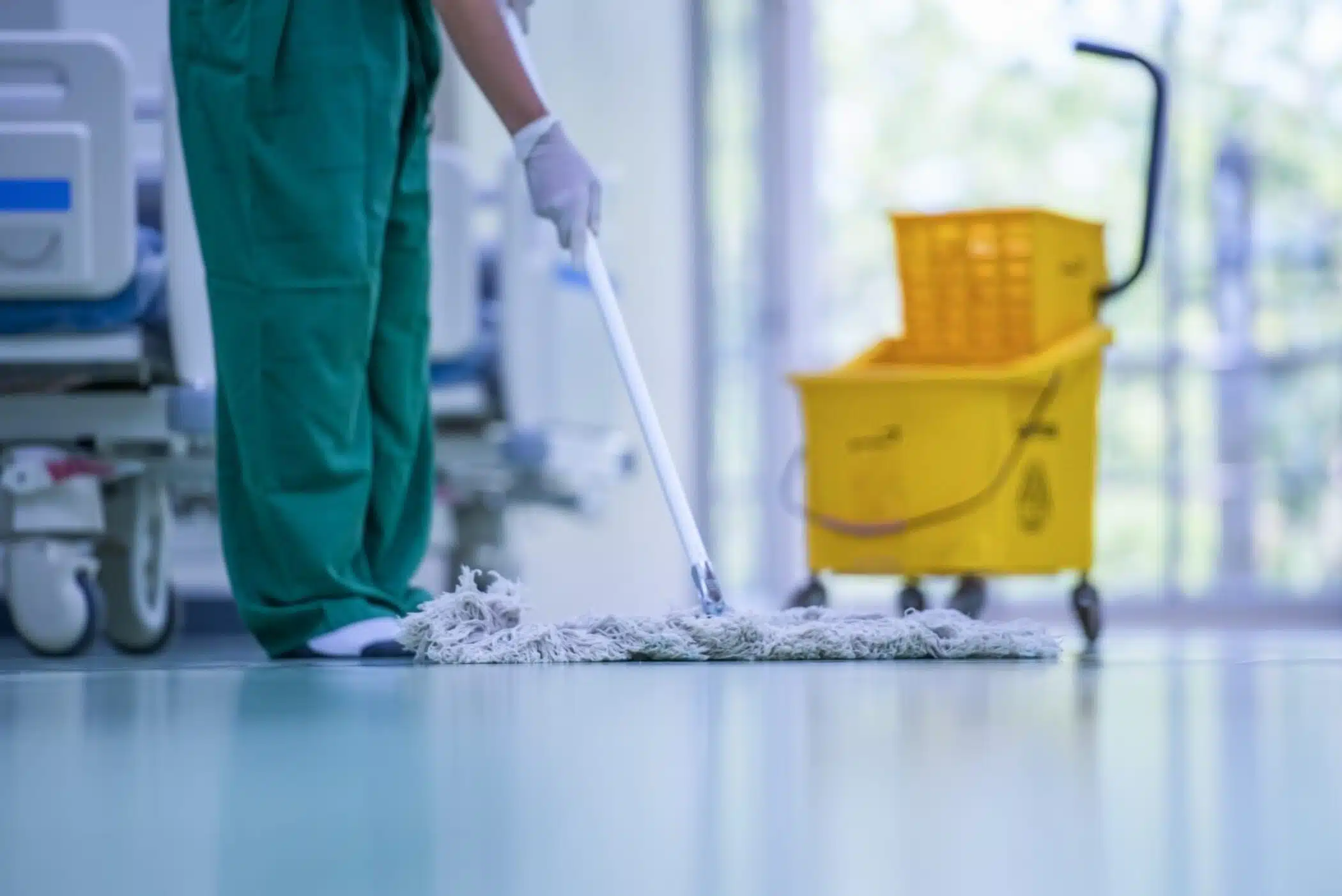
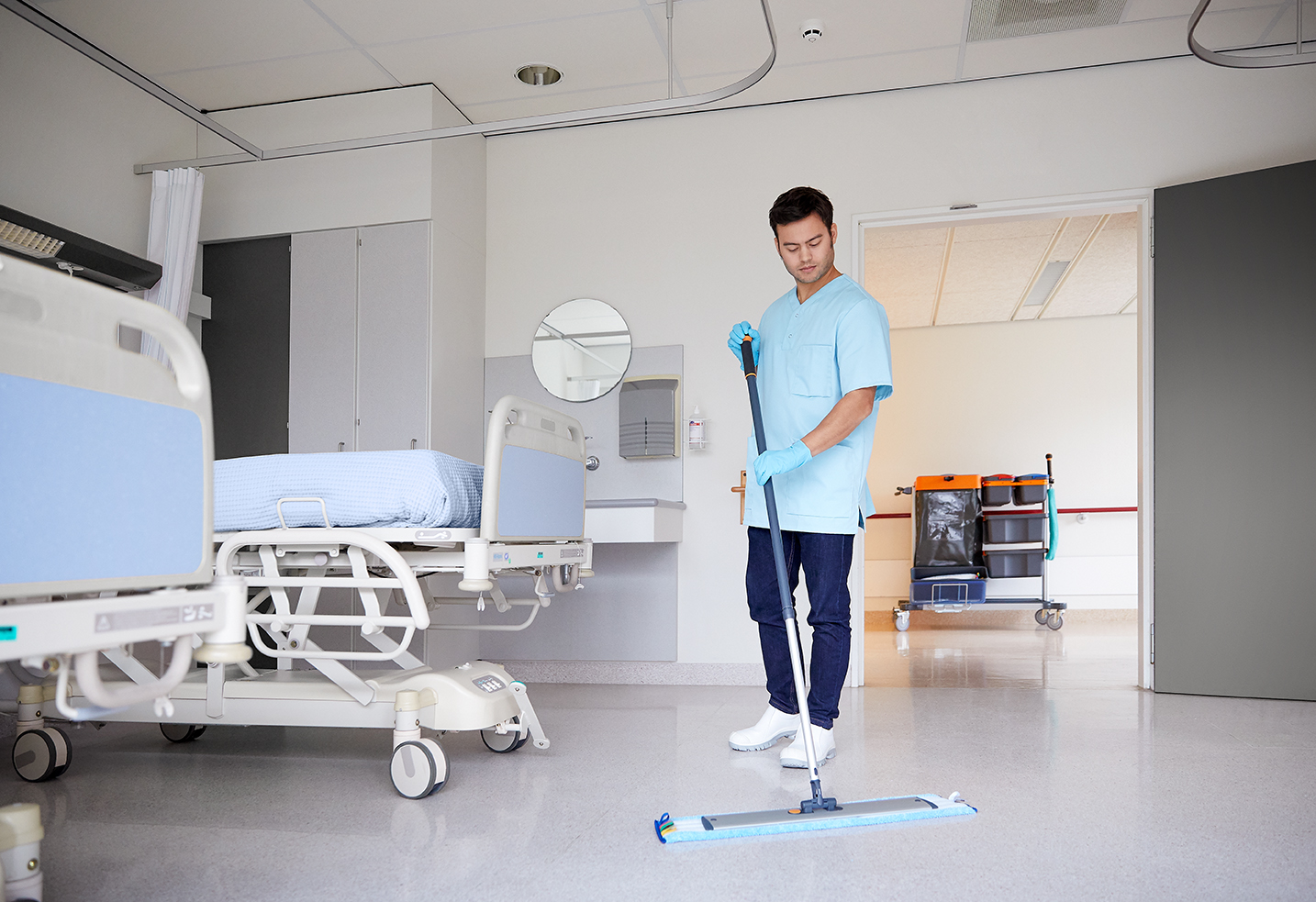
Beyond basic cleaning, hospital cleaners disinfect patient rooms—including bed rails and call buttons—sterilize operating rooms, sanitize public areas and medical equipment, manage hazardous spills, and dispose of biohazard waste. Every task follows strict facility protocols to minimize infection risks.
Two-Step Cleaning and Disinfection
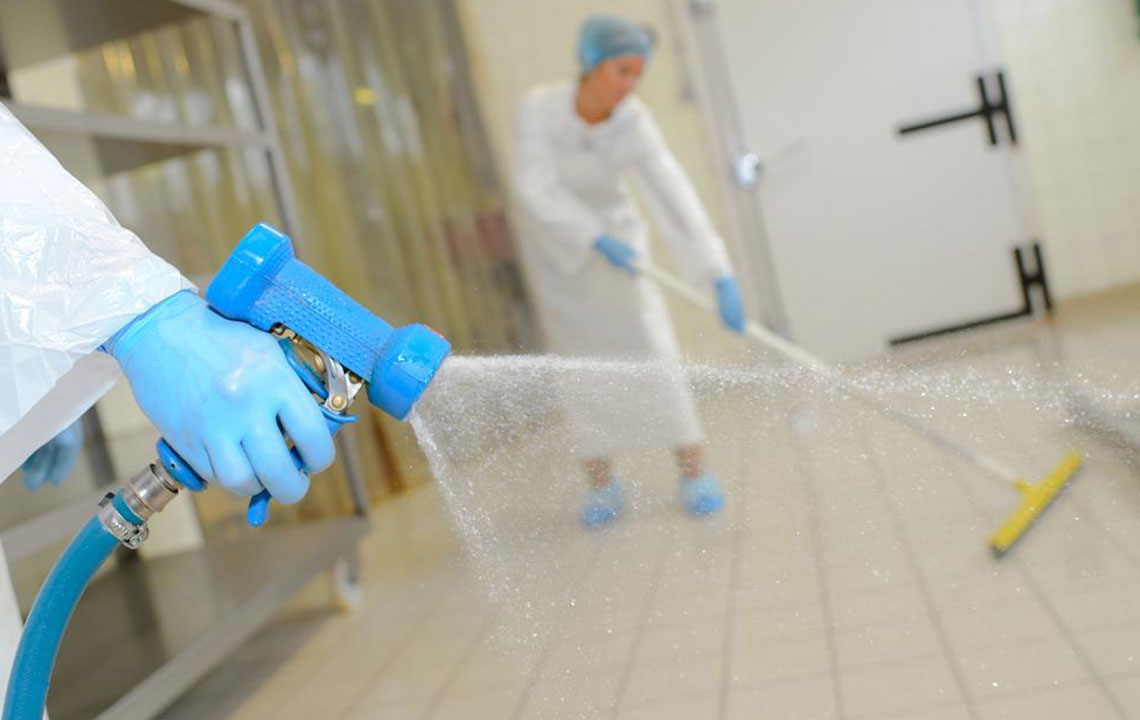
Effective infection control requires a two-step process: first, cleaning to remove dirt and organic matter with detergents; second, disinfection using chemical agents to kill pathogens. High-touch surfaces like doorknobs, light switches, and bed controls receive extra attention.
Training Pathways
Hospital Cleaning Courses
Aspiring cleaners can take courses covering infection control, cleaning agents, PPE usage, and waste management. Certification improves job prospects and demonstrates competency.
On-the-Job Training
New hires receive hands-on training specific to the facility. Experienced staff mentor them on equipment use, safety protocols, and efficiency techniques.
Technological Innovations
Modern hospitals adopt electrostatic sprayers, UV light disinfection systems, and robotic cleaners. These tools enhance coverage and allow staff to focus on complex tasks, improving overall hygiene.
Growing Demand and Career Opportunities
The COVID-19 pandemic, healthcare expansion, and an aging population drive demand for hospital cleaners. The U.S. Bureau of Labor Statistics reports around 370,000 cleaning jobs in hospitals nationwide. Positions are often posted through hospital environmental services or contracted companies. Applicants typically need a high school diploma and receive comprehensive on-the-job training. Searching 'housekeeping jobs near me' yields many local opportunities.
Statistical Impact
| Impact Category | Data | Source |
|---|---|---|
| Reduction in HAIs | ~75,000 fewer cases annually | CDC |
| Cleaning Jobs in US | ~370,000 nationwide | BLS |
| Patient Satisfaction Score | 80/100 after improvements | HCAHPS |
| Healthcare Cost Savings | ~$3 billion annually | APIC |
Challenges and Rewards
Cleaners face physical demands, exposure to biohazards, and stressful environments. Yet many find satisfaction in protecting patient safety and contributing to the healthcare team. Their work directly impacts infection rates and patient outcomes.
Conclusion
Hospital cleaners are indispensable to public health. With rising demand and meaningful career opportunities, this role offers a rewarding path for those committed to hygiene and patient care. Sources: CDC, BLS, HCAHPS, APIC.