Large Study Links Ultraprocessed Foods to 17% Higher Type 2 Diabetes Risk
A 10-year European study of 300,000 adults finds ultraprocessed foods raise type 2 diabetes risk by 17% per 10% increase in diet share.
Groundbreaking Research Confirms Diabetes Link
A decade-long study tracking over 300,000 adults across eight European nations has delivered compelling evidence: each 10% increase in ultraprocessed food consumption elevates type 2 diabetes risk by 17%. Published in The Lancet Regional Health – Europe, the findings add substantial weight to calls for dietary reform.
What Defines Ultraprocessed Foods?
Ultraprocessed items include sodas, packaged snacks, hot dogs, chicken nuggets, and ice cream. They are heavily engineered with preservatives, emulsifiers, and artificial dyes—substances rarely found in whole foods. Their high calorie density and low satiety promote overeating, a direct path to weight gain.
Why the Correlation Is Worrying
Lead author Dr. Samuel Dicken of University College London points out that these foods make it easy to consume excess calories before the body signals fullness. Increased waist-to-height ratio—a measure of belly fat—accounted for nearly half of the observed diabetes risk. While the study is observational, co-author Dr. Nerys Astbury of Oxford University notes the association is strong and demands further experimental validation.
Balancing Health Risks with Access
Critics warn against blanket demonization. Sarah Gallo of the Consumer Brands Association argues it could limit nutritious options, increase waste, and worsen disparities. Dr. Hilda Mulrooney of London Metropolitan University adds that processing itself isn't harmful—it can improve safety and shelf life—but products that barely resemble natural ingredients are concerning.
Simple Swaps for a Healthier Diet
Dr. Dicken recommends practical shifts: replace sugary drinks with water, and swap chips for fruit or unsalted trail mix. Dr. Mulrooney advises reading ingredient lists—longer lists with many additives signal high processing. Keeping a food diary for a few days can reveal hidden ultraprocessed habits.
A Holistic Approach Beyond Diet
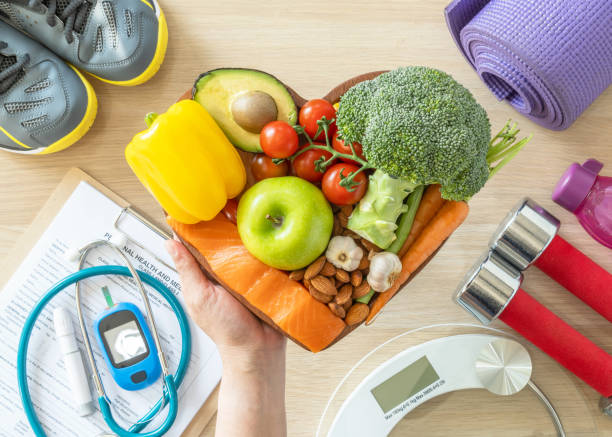
Experts stress that diabetes prevention involves more than food choices. Regular physical activity, adequate sleep, proper hydration, and avoiding smoking and excessive alcohol are vital. Combined with a diet rich in whole foods, these lifestyle factors create a robust defense against type 2 diabetes. Staying informed and making mindful choices remains the best strategy for lasting health.