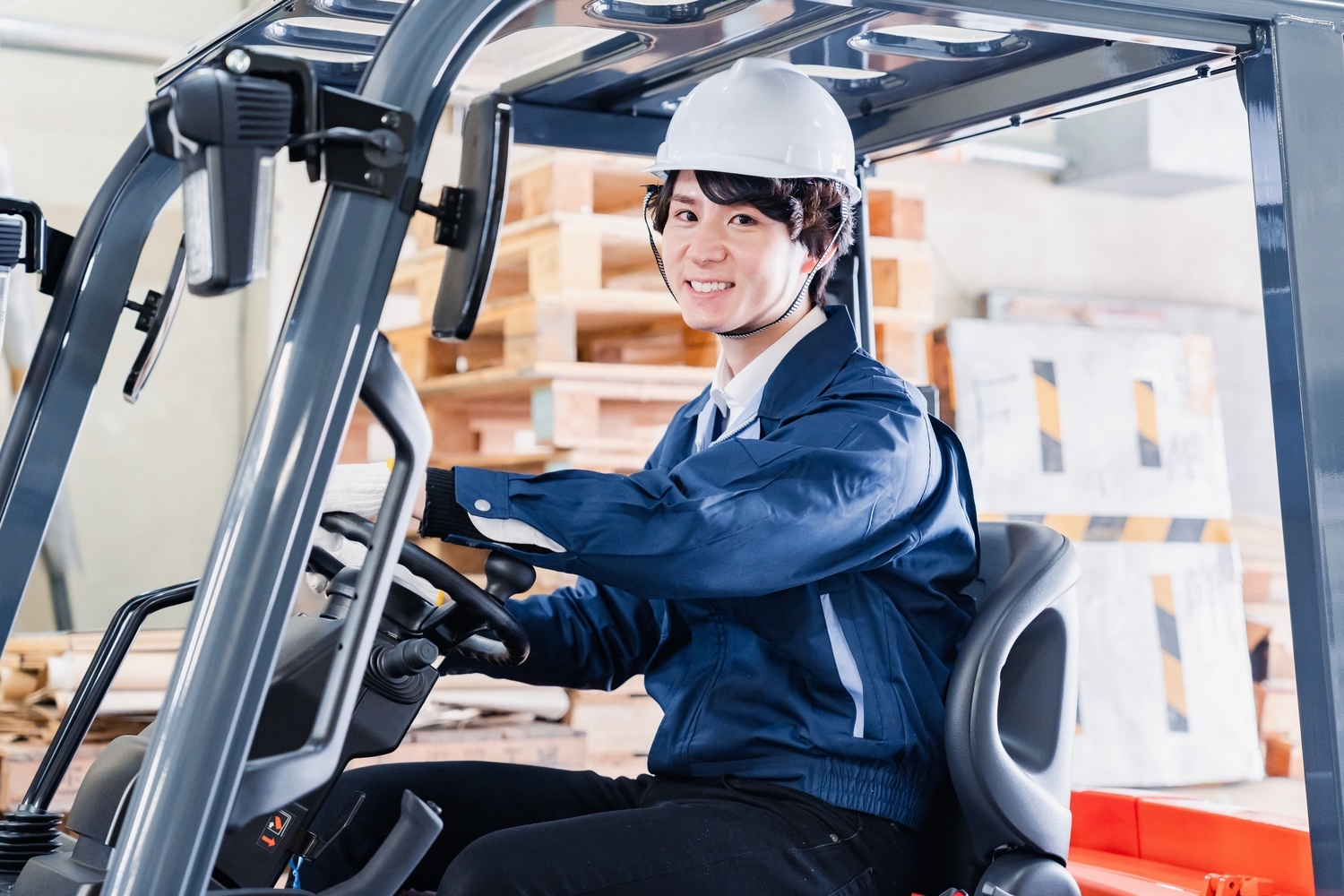
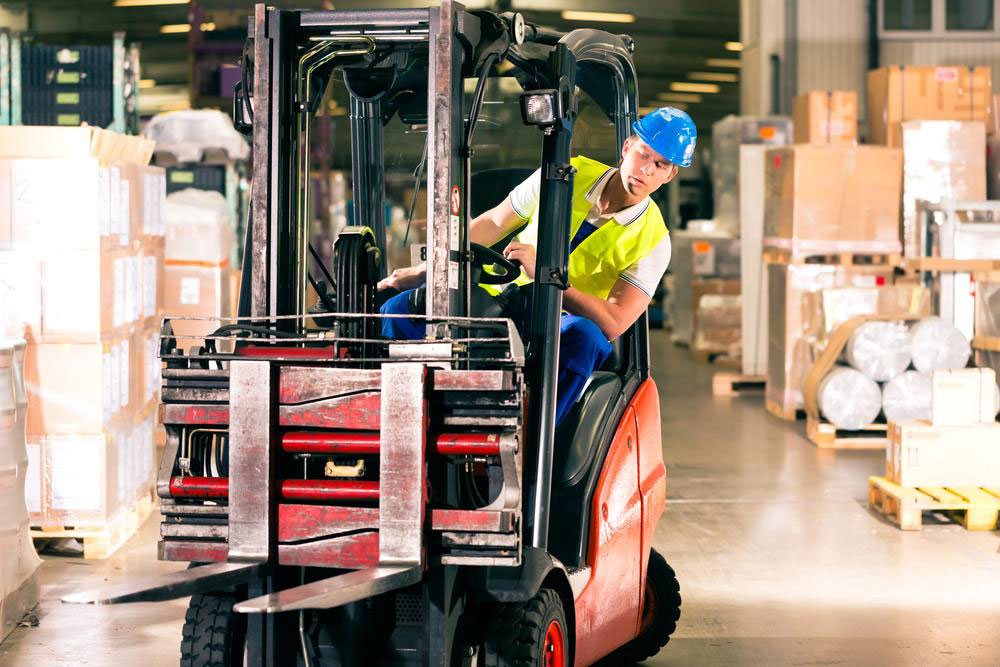
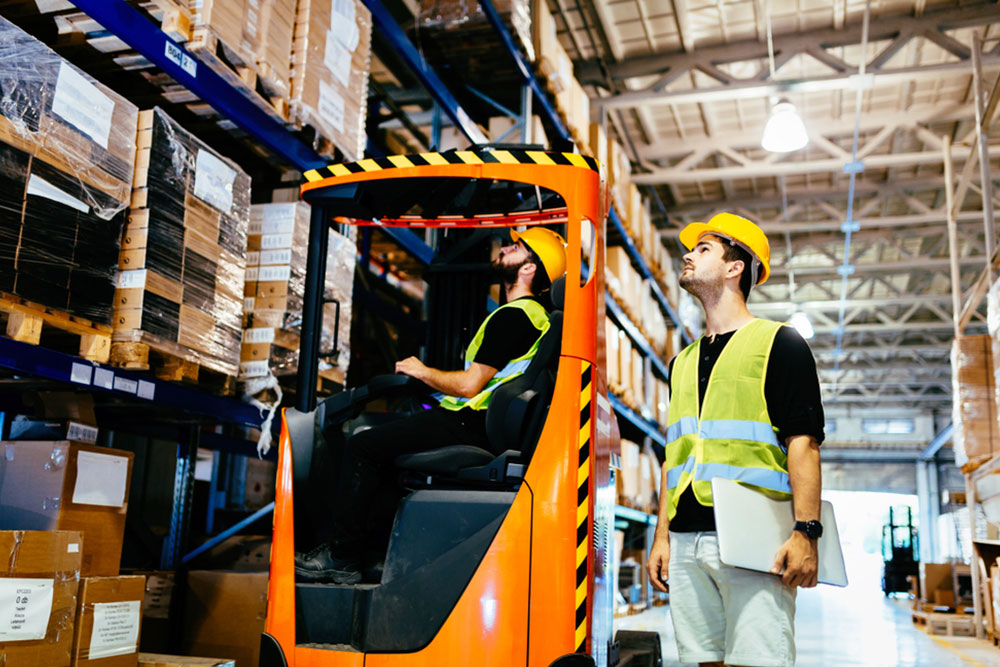
Complete Forklift Operator Training: OSHA Safety & Certification Guide
Learn OSHA-compliant forklift training requirements, certification costs, duration, and best practices for workplace safety.
Overview of Forklift Safety Standards
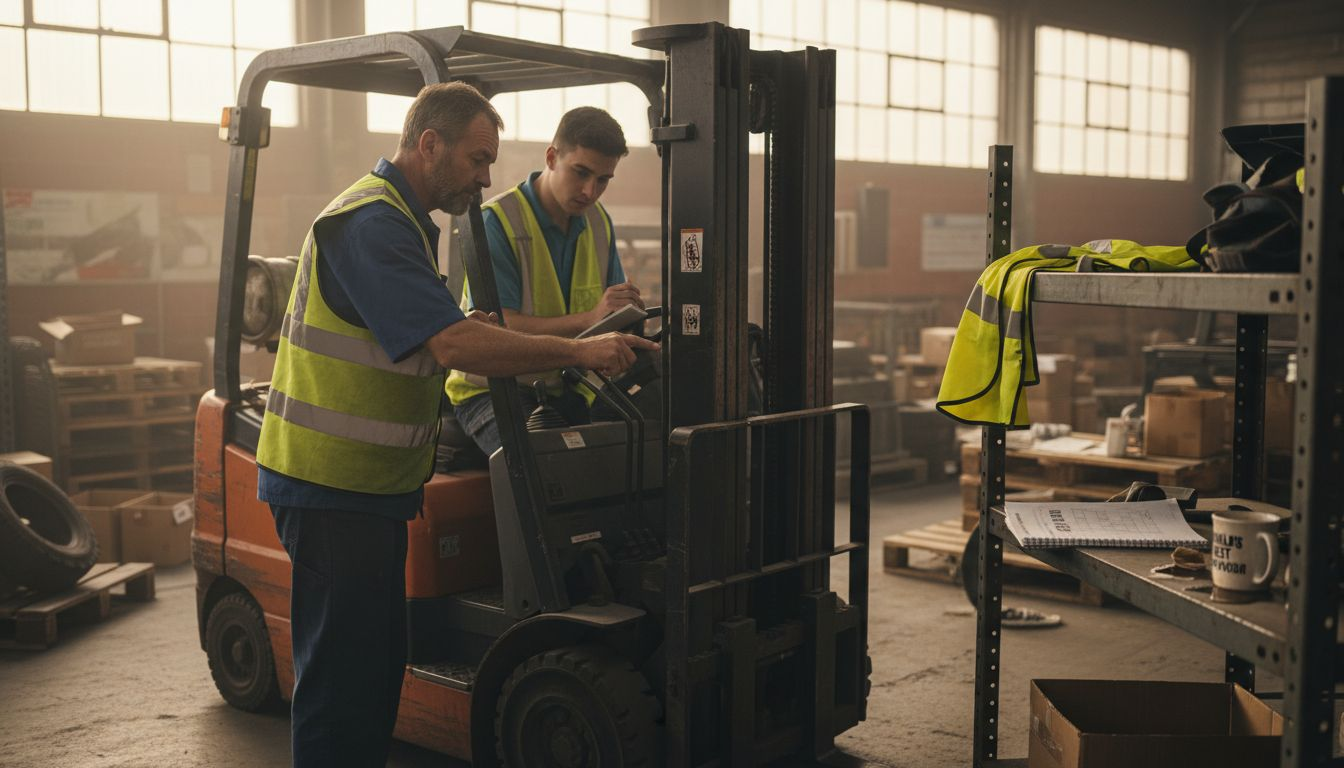
Safe forklift operation demands strict adherence to regulations that prevent accidents and ensure compliance. In the United States, the Occupational Safety and Health Administration (OSHA) requires both formal instruction and practical training. Similar frameworks exist in the UK (Health and Safety Executive), Canada, Australia, and New Zealand, all emphasizing a combination of theory and hands-on skills.
Core Training Requirements
Effective operator training merges classroom learning with real-world practice. Trainees learn equipment inspection, safe maneuvering, and load handling. Key components include:
Instruction Methods: A mix of online and in-person sessions provides comprehensive learning.
Certification Duration: Typically valid for three years; regular updates are recommended.
Credentialing: Programs must meet OSHA standards to be credible and legally acceptable.
Operators must undergo performance evaluations every three years. Regular assessments help reduce the thousands of serious warehouse incidents reported annually.
Path to Certification
Becoming a certified forklift operator requires combining book knowledge with practical skill. Minimum requirements include being at least 18 years old and holding a high school diploma. Programs typically last one to two days and cost $50–$200, making them an affordable investment. After completing theory, trainees gain hands-on experience in a warehouse setting. Certification remains valid for three years and supports career growth. Certified operators earn a national average of approximately $36,341 per year.
Avoiding Common Pitfalls in Online Certification
Online courses offer flexibility but must not replace hands-on assessment. Relying solely on theoretical knowledge is a common mistake. Forklift operation is a physical skill requiring site-specific familiarity and real-time hazard recognition. Effective training must include supervised practical evaluations to verify competence. Extremely short courses (e.g., “1-hour certification”) typically fail to meet OSHA standards. Managers should ensure that digital learning is paired with rigorous in-person testing.
Comparison of Training Types:
Online: Flexible and cost-effective but may lack practical assessment and real-world application.
In-Person: Hands-on and site-specific, though more expensive and time-consuming.
Integrating Theory and Practice for Warehouse Safety
Most accidents stem from human error rather than equipment failure. Better training and stricter adherence to safety protocols can prevent the majority of incidents. A strong curriculum must move beyond textbooks to hands-on practice. Operators need to demonstrate skills in real-world scenarios, not just pass written exams. Consistent evaluations and periodic refresher courses keep skills sharp and make safety an ingrained habit.
Advanced Techniques and Leadership’s Role
True expertise comes from blending classroom learning with physical execution. Operators must understand regulations while developing muscle memory for precise maneuvering. Managers must schedule regular risk assessments, maintain accurate documentation, and enforce refresher schedules. Leadership involvement ensures the entire team stays protected against preventable incidents.
Frequently Asked Questions
Q: What are the key forklift safety standards? A: In the US, OSHA requires formal instruction plus hands-on training. Other countries like the UK (HSE), Canada, Australia, and New Zealand have similar regulations.
Q: What does warehouse equipment operation training include? A: Classroom learning on regulations and hazard identification combined with site-specific practical maneuvers.
Q: What are the requirements for certified logistics training? A: Minimum age 18, high school diploma, programs 1–2 days, cost $50–$200. Certification lasts three years. Certified operators earn ~$36,341 annually.
Q: Why is ongoing training important? A: Regular refreshers and evaluations maintain high safety standards, reduce accident risk, and ensure compliance.
Q: How to effectively use online forklift certification? A: Combine online theory with supervised in-person practical assessments. Avoid ultra-short courses that lack hands-on evaluation.