Comprehensive Guide to Forklift Operating Careers in Japan: Opportunities, Challenges, and Future Trends
Explore the comprehensive landscape of forklift operator careers in Japan, including job opportunities, necessary skills, safety considerations, industry challenges, and future growth driven by technological advancement and green initiatives. Stay informed about how to build a successful career in this vital logistics sector amidst evolving industry trends and automation.
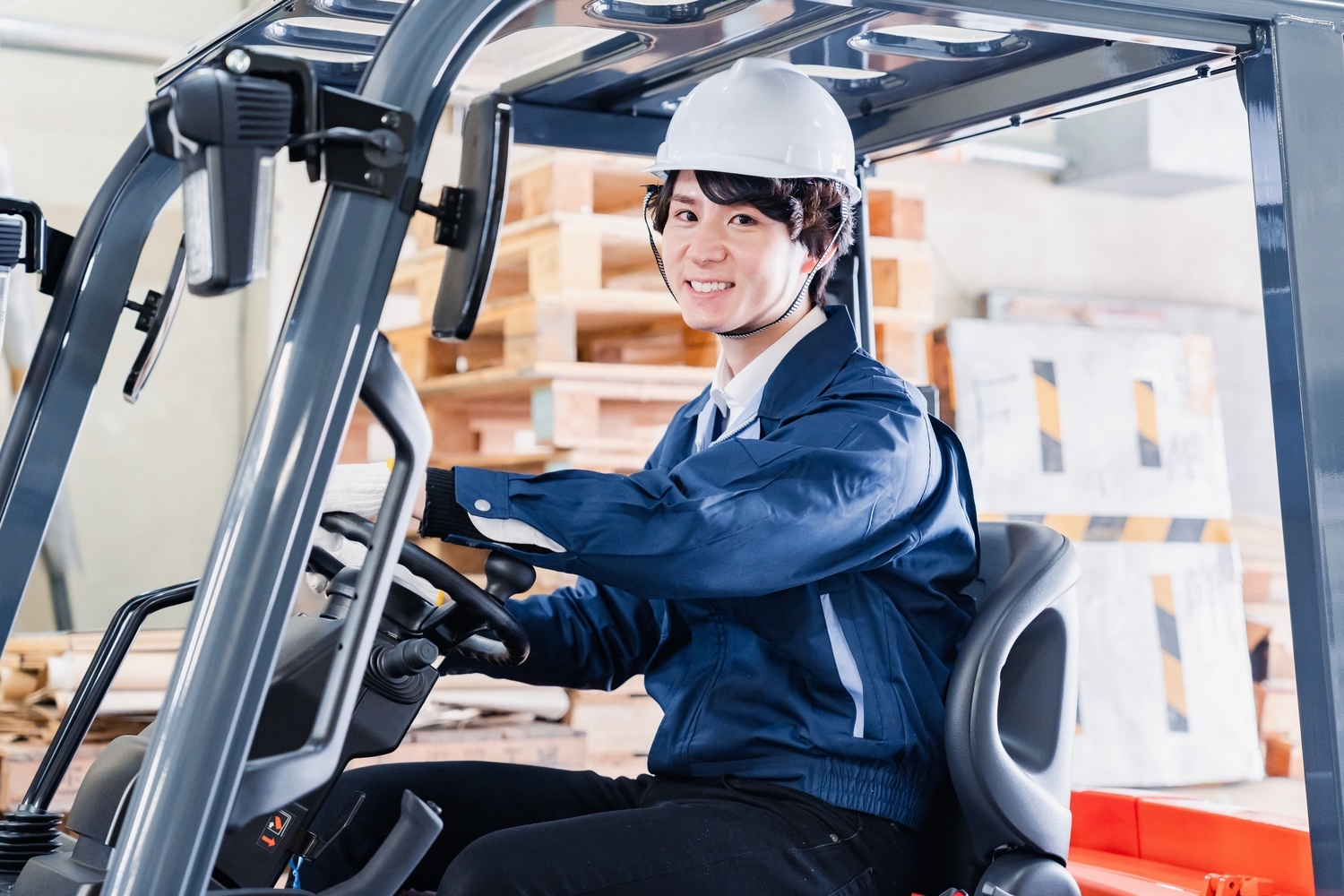
Comprehensive Guide to Forklift Operating Careers in Japan: Opportunities, Challenges, and Future Trends
Japan stands as a global leader in advanced manufacturing, logistics, and distribution industries. These sectors rely heavily on skilled forklift operators to enhance efficiency, ensure safety, and manage complex supply chains. As the backbone of warehouse management and material handling, forklift operators in Japan hold vital roles that are steadily expanding thanks to economic growth, technological innovations, and increasing e-commerce activity. This comprehensive article delves into the current landscape of forklift employment in Japan, examining job opportunities, necessary qualifications, working conditions, challenges faced by workers, and the promising future prospects shaped by industry trends.
1. Growing Employment Opportunities for Forklift Operators
The demand for qualified forklift drivers continues to rise across various sectors in Japan, including manufacturing, warehousing, retail, logistics, and construction. Major corporations such as Toyota Industries, Hitachi, and YAMATO Transport, along with numerous regional and smaller enterprises, actively seek competent operators to support their supply chain operations. The rise of e-commerce giants like Amazon Japan has further fueled this demand, requiring a robust workforce to handle large volumes of goods with speed and precision. Because of Japan’s aging population, companies are also investing in workforce extension strategies, including hiring more forklift operators to maintain operational efficiency. These employment opportunities are not only numerous but also diverse, ranging from entry-level roles to highly specialized positions managing large-scale automated material handling systems.
2. Essential Qualifications and Skill Development
Becoming a forklift operator in Japan requires specific certifications mandated by national safety standards. The key credential is an official forklift license, which can only be obtained through certified training programs sanctioned by government agencies. These courses are designed to ensure operators understand the proper handling techniques, safety protocols, and maintenance procedures necessary to operate various types of forklifts effectively. Candidates must complete both theoretical and practical assessments to qualify. Besides certification, employers often look for additional skills, including:
Proficiency in operating a variety of forklift models, including electric, diesel, and hydrogen-powered forklifts
Strong spatial awareness and coordination to maneuver in tight warehouse spaces
Awareness of safety regulations and compliance standards
Basic knowledge of warehouse management systems and inventory control software
Continuous skill development is encouraged, especially as automation and new technologies are increasingly integrated into logistics operations. Many companies also provide ongoing training to keep workers updated on the latest safety procedures and operational techniques.
3. Working Conditions, Environment, and Lifestyle
Forklift operators typically work in environments that demand physical stamina, attentiveness, and adherence to strict safety standards. Typical workplaces include warehouses, distribution centers, manufacturing plants, loading docks, and industrial yards. Shifts can vary, with many positions requiring long hours, including night shifts and overtime to meet delivery deadlines. The work environment involves physical exertion, such as lifting, stacking, and maneuvering heavy loads, with a focus on preventing accidents through rigorous safety practices. Employers prioritize safety training, and operators are required to regularly participate in safety drills and refresher courses. While the work can be physically demanding, many employees find the job rewarding due to stable employment prospects and opportunities for advancement.
4. Challenges Facing Forklift Operators in Japan
Despite the steady demand, forklift operators encounter several challenges within the industry, which can influence job satisfaction and career longevity.
Safety Concerns: Operating heavy machinery in confined spaces increases the risk of accidents. Vigilance and adherence to safety protocols are vital to prevent injuries.
Variable Compensation: Wages can differ greatly depending on geographical location, size of the employer, and the level of experience. While some areas offer competitive salaries, others lag behind, affecting earnings potential.
Long-Term Job Security: The push toward automation and robotics poses potential threats to traditional forklift jobs. Companies are increasingly exploring automated guided vehicles (AGVs) and autonomous forklifts, which may reduce the need for human operators in the future.
Physical and Mental Demands: The physically intensive nature of the job, coupled with the need for constant vigilance, can lead to fatigue and stress, especially in high-pressure environments.
5. Future Industry Trends and Growth Opportunities
The landscape of forklift operation in Japan is set to evolve further, driven by technological advancements, environmental considerations, and government initiatives. The future prospects for forklift operators are promising, especially for those willing to adapt and upgrade their skills.
Technological Integration and Automation: As warehouses become increasingly automated, forklift operators are transitioning into supervisory or maintenance roles for autonomous systems. Knowledge of operating, troubleshooting, and maintaining automated forklifts is becoming a valuable skill.
Green and Eco-Friendly Equipment: The adoption of electric and hydrogen-powered forklifts is accelerating, as companies emphasize sustainability. Operators trained to handle eco-friendly machinery will be in high demand, aligning with Japan's environmental goals.
Government Support and Workforce Development: Japan's government actively promotes vocational training programs, subsidies, and employment initiatives to ensure a steady supply of skilled forklift operators. These programs aim to bridge the skills gap and foster industry growth.
Industry Consolidation and Innovation: Mergers, technological innovations, and smart logistics solutions will create new job roles and career pathways for forklift operators willing to embrace change.
Summing up, forklift jobs in Japan remain a vital component of its thriving manufacturing and logistics sectors. Continuous advancements in technology, combined with supportive government policies, are expected to create a dynamic job market with opportunities for growth. Skilled operators who stay updated with industry trends and maintain rigorous safety standards will enjoy a stable and rewarding career path in this evolving industry. Embracing innovation and safety will be critical for success as the industry moves toward automation and sustainability.