Crane Operator Paid Training: Costs, Funding, and Entry-Level Jobs
Learn about crane operator paid training: funding options like Pell Grants, fast-track certification, and how to find entry-level jobs.
What Is Crane Operator Paid Training?
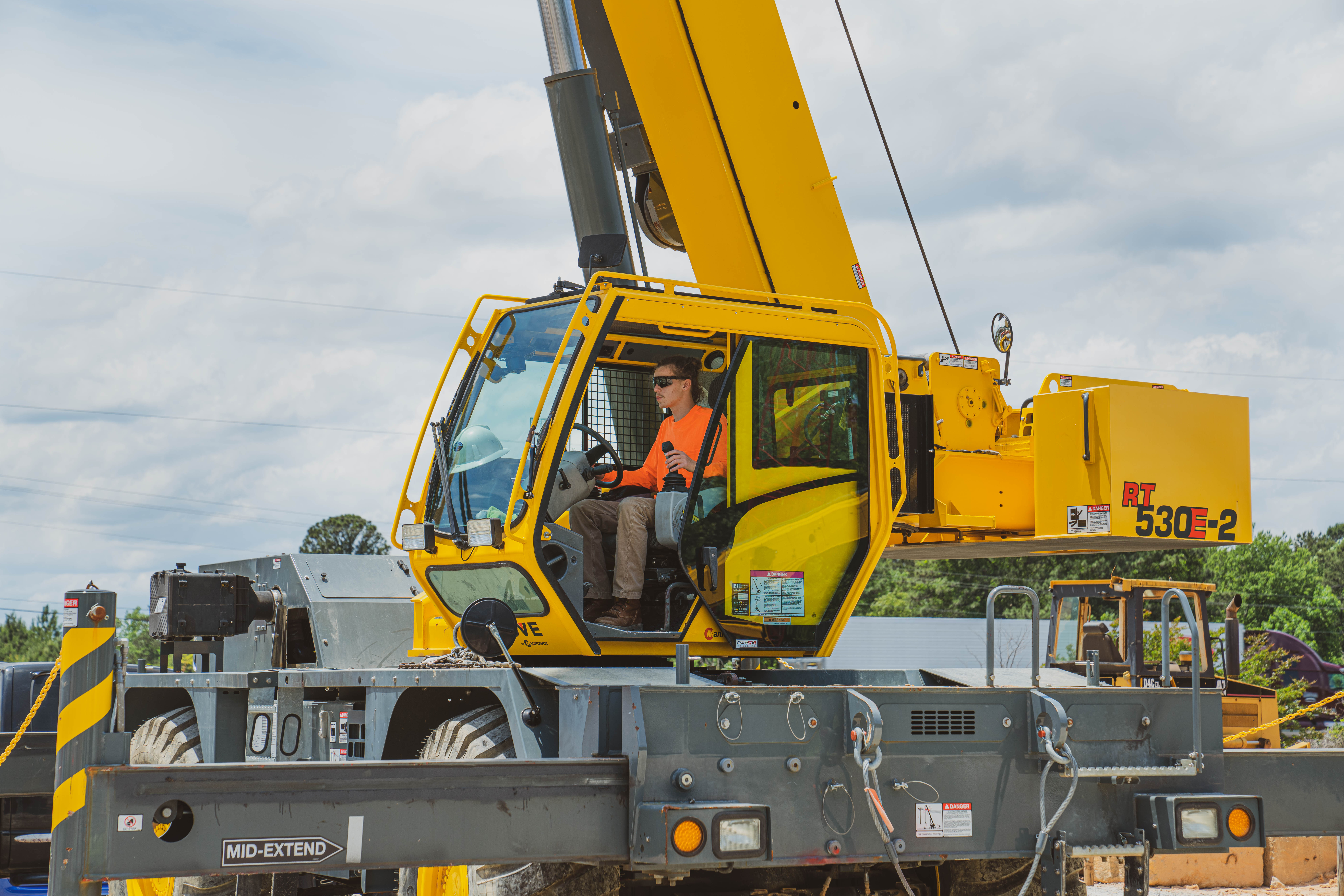
Crane operator paid training is a structured program that equips you with the skills and certifications needed to operate crane equipment safely and efficiently. These courses cover essential topics like rigging, load calculations, power line safety, and compliance with OSHA standards (29 CFR 1926 Subpart CC). Training leads to certification through recognized bodies such as NCCCO or NCCER, preparing you for immediate entry into the workforce. Programs range from intensive 5-day boot camps to longer traditional curricula, both emphasizing safety and hands-on practice.
Safety First: The Core of Every Program
Safety is non-negotiable in crane operation. Training programs adhere strictly to federal regulations to prevent accidents. You'll learn to inspect equipment, manage loads, and navigate power line hazards. Many modern programs incorporate virtual reality (VR) and artificial intelligence (AI) simulations, allowing you to practice in a risk-free environment before operating real machinery. Recertification every five years ensures your knowledge stays current with evolving industry standards.
Is Paid Training Worth the Investment?
The upfront cost of crane school is offset by strong long-term returns. Certified mobile and tower crane operators earn between $24 and $38 per hour, with apprentices earning 70% to 90% of journeyperson wages. Workforce shortages have extended project backlogs into 2027, providing job security and steady demand. Advanced simulation training further boosts your operational precision, making you a valuable asset to employers.
Program Feature Comparison
| Feature | Intensive 5-Day Class | Traditional Training |
|---|---|---|
| Duration | Short-term | Long-term |
| Focus | Rigging, Safety | Comprehensive curriculum |
| Entry Requirement | Open to beginners | May require prerequisites |
| Certification | Immediate post-training | Upon course completion |
Financial Aid Options for Crane Training
Vocational funding has expanded significantly. The One Big Beautiful Bill Act introduces Workforce Pell Grants, allocating $300 million to support approximately 100,000 students in short-term training programs, including crane operator courses. These grants remove the financial barriers that once limited access to trade education. Additional options include employer sponsorships (tuition reimbursement in exchange for job commitment) and state training programs that offer reduced tuition for residents.
Financial Aid Options
| Option | Eligibility | Benefits |
|---|---|---|
| Workforce Pell Grants | Non-degree programs | Covers tuition for short-term training |
| Employer Sponsorships | Job commitment | Tuition reimbursement |
| State Training Programs | Residency | Reduced tuition rates |
High Standards Ensure Career Success
Funded programs must meet strict criteria: a 70% completion rate and 70% job placement within 180 days. With current construction trade employment rates between 88% and 92%, graduates have strong prospects. This system creates stackable credentials—start with crane basics, then add certifications to advance your career.
Finding Entry-Level Crane Jobs Near You
Demand for crane operators is high across industrial construction and renewable energy sectors. Specialized job boards list roles with median wages around $27.26 per hour and mean wages of $29.10. Many employers require a Commercial Driver’s License (CDL) and emphasize safety training.
Employer Incentives and Requirements
Employers offer competitive benefits like paid time off and per diems for travel. Positions pay between $25.81 and $41.45 per hour. Federal job sites allow filtering by location, while standard boards list roles with clear pay ranges. Meeting core requirements—including certification and safety training—positions you to secure these opportunities.
Frequently Asked Questions
What is crane operator paid training?
Crane operator paid training is a structured program that provides the skills and certifications needed to operate crane equipment safely. It covers safety regulations, rigging, load calculations, and operational techniques, often using VR and AI simulations.
What are the enrollment requirements?
Candidates must meet OSHA standards (1926.1400), obtain certification from NCCCO or NCCER, and may need a Commercial Driver’s License for equipment transport.
What are the benefits of paid training?
Benefits include industry-recognized certification, hands-on simulation experience, strong job security, and competitive wages (median $27.26/hour).
How much does training cost and what funding is available?
Costs vary, but Workforce Pell Grants under the One Big Beautiful Bill Act provide up to $300 million for vocational training, covering tuition and reducing financial burden.
How do new legislative initiatives affect funding?
Workforce Pell Grants shift federal aid toward short-term workforce training, creating accessible pathways for crane operators. Programs must meet 70% completion and placement rates to qualify.