Machine Learning Paradigms: From Data to Discovery – Core Techniques & Ethical Foundations
Explore machine learning paradigms—supervised, unsupervised, reinforcement—plus engineering foundations and ethical dimensions. Learn how data drives discovery.
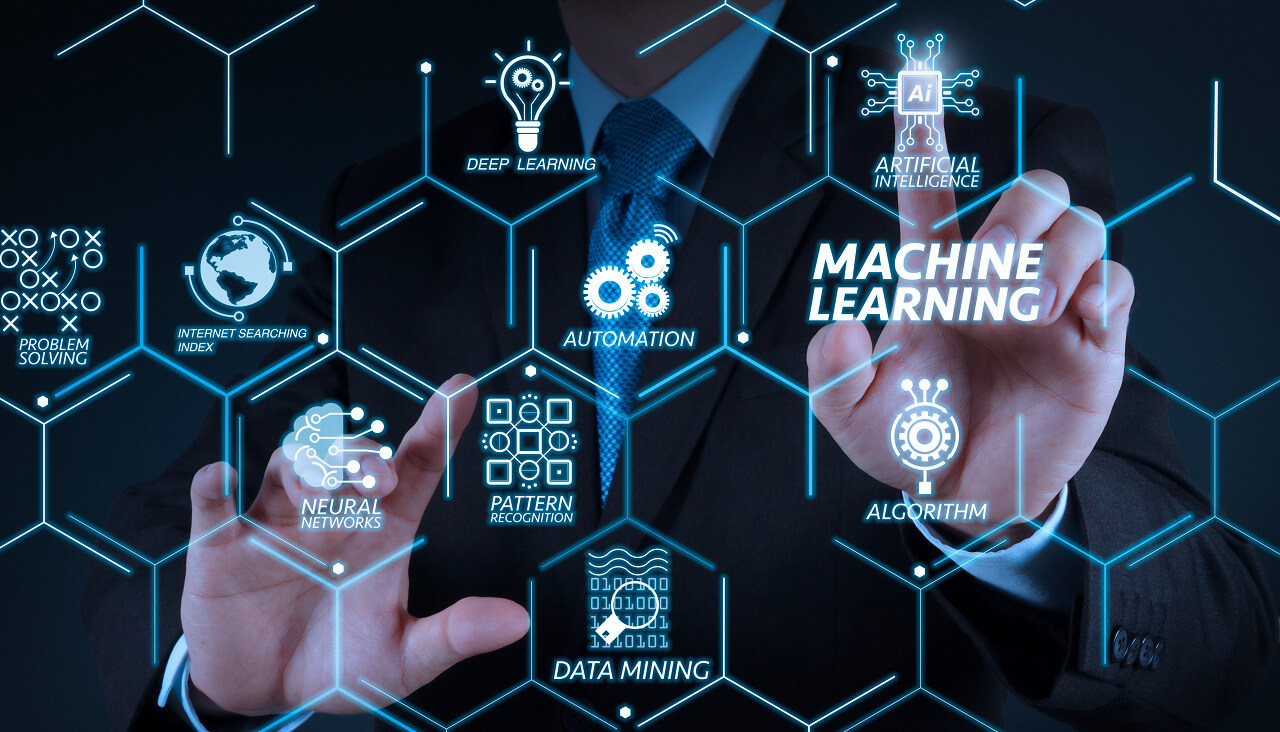
Introduction to Machine Learning Paradigms
Modern intelligent systems emulate human cognitive abilities by processing and understanding data. This journey relies on various learning paradigms that drive efficiency and innovation across multiple domains.
Core Learning Paradigms
Supervised Learning
Supervised learning maps inputs to outputs using labeled data. It excels in healthcare diagnostics and financial forecasting, with recent advances in hybrid models and automated feature selection boosting accuracy.
Unsupervised Learning
Unsupervised learning uncovers hidden patterns without labels. Techniques like clustering and dimensionality reduction enable customer segmentation and anomaly detection. Innovations such as deep autoencoders and graph-based methods improve scalability.
Reinforcement Learning
Reinforcement learning learns through interaction and feedback. It powers robotics, game playing, and autonomous systems. Breakthroughs in sample efficiency and multimodal reward modeling are accelerating adaptive intelligence.
Learning Paradigms Overview Table
Below is a summary of key paradigms, techniques, applications, and recent advances:
| Paradigm | Key Techniques | Applications | Advances (2023–2025) |
|---|---|---|---|
| Supervised Learning | Regression, Classification | Healthcare diagnostics, Financial forecasting | Improved accuracy with hybrid models and automated feature selection |
| Unsupervised Learning | Clustering, Dimensionality Reduction | Customer segmentation, Anomaly detection | Enhanced scalability using deep autoencoders and graph-based methods |
| Reinforcement Learning | Q-learning, Policy Gradients | Robotics, Game playing, Autonomous systems | Breakthroughs in sample efficiency and multimodal reward modeling |
| Feature Engineering | Manual and automated extraction | Predictive modeling, NLP | Integration of domain knowledge with automated pipelines |
| Model Training | Gradient descent, Regularization | Wide range of ML tasks | Advances in distributed training and adaptive optimizers |
| Deep Learning | Neural networks, Transformers | Image recognition, Language models | Growth in multimodal architectures and efficient inference |
Engineering Foundations
Feature Engineering
Feature engineering refines raw data for analysis. Manual and automated techniques enhance predictive modeling and NLP. Combining domain expertise with automated pipelines yields more context-aware features.
Model Training
Effective model training relies on gradient descent and regularization. Recent advances like distributed training and adaptive optimizers allow faster processing and better generalization across larger datasets.
Deep Learning
Deep learning uses neural networks and transformers for image and language processing. Multimodal architectures and efficient inference techniques drive breakthroughs in understanding complex data.
Ethical Dimensions
Bias and Fairness
Bias in data can lead to unfair outcomes. Using diverse datasets and continuous monitoring helps build systems that reflect ethical integrity.
Transparency and Accountability
The black-box nature of some models challenges trust. Explainability initiatives make decision processes understandable and accountable.
Privacy Safeguards
Large datasets raise privacy concerns. Implementing ethical frameworks and guardrails protects personal information while enabling innovation.
By combining learning paradigms with robust engineering and ethical practices, intelligent systems will continue to reshape industries and enrich human experiences.