From AI Basics to Engineering Mastery: A Complete Learning Path
Explore AI education from fundamentals to professional engineering. Learn about adaptive systems, business strategy, and building a standout portfolio.
Building a Strong Foundation in AI
Starting with the Essentials
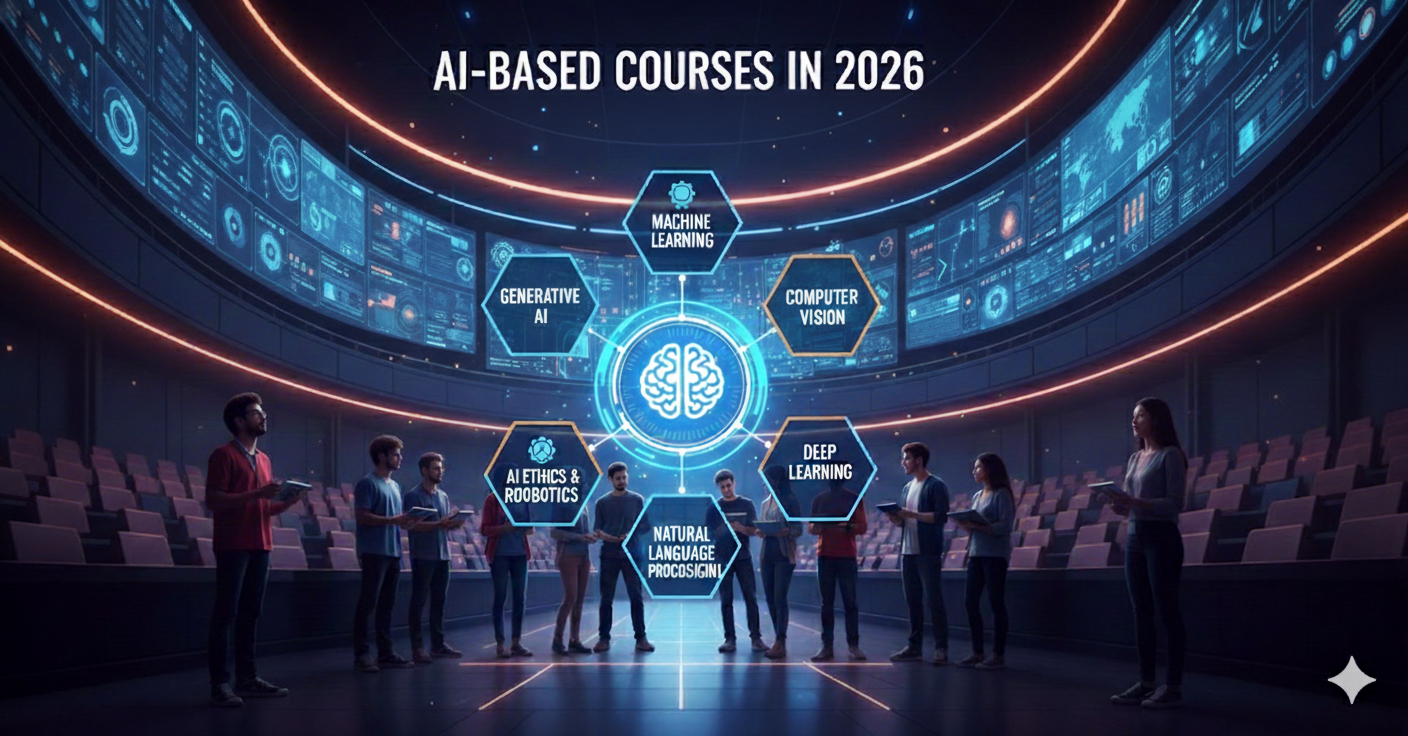
A solid grasp of machine learning, neural networks, and prompt design forms the bedrock for any AI education. Modern curricula break these topics into digestible self-paced modules, combining code examples with interactive exercises. Learners develop intuition for how algorithms process data, enabling deep understanding before tackling advanced challenges. This step-by-step progression works well for both academic settings and corporate training.
Understanding Business Value and Strategy
Non-technical leaders benefit from case studies that illuminate automation feasibility, data project lifecycles, and resource allocation. This knowledge bridges technical potential with measurable outcomes, ensuring AI adoption serves clear objectives. Decision-makers gain the confidence to lead AI initiatives without needing to code.
The Evolving Landscape of AI Education
Personalized and Adaptive Learning Systems
Traditional one-size-fits-all instruction is giving way to intelligent platforms that adjust to each learner’s pace and understanding. These systems act as active tutors, providing extra explanations or modifying difficulty in real time. Visual learning has advanced with 3D models and interactive simulations, making abstract concepts like neural networks or data flows easier to grasp. This democratization of high-level skills benefits both academic and corporate training environments.
Revolutionizing Content Creation and Language Skills
Generative tools now allow educators to quickly produce professional-grade instructional videos, shifting focus from technical production to pedagogical quality. In language acquisition, virtual agents provide real-time feedback on tone, hesitation, and accuracy, significantly boosting retention and speaking confidence compared to passive listening exercises.
Bridging the Gap to Professional Engineering
From Theory to Real-World Application
Transitioning to a professional engineer requires implementing existing large-scale models to solve specific business problems. Advanced courses focus on project-based learning where students build functional products—search systems, vector databases, autonomous agents. The ability to deliver a deployed application that solves a genuine user need separates hobbyists from hireable engineers.
The Critical Role of Soft Skills and Ethics
As routine coding becomes automated, engineers must communicate complex ideas to stakeholders and collaborate across teams. Strategic thinking and understanding the market context elevate developers to senior roles. Ethics also take center stage: top programs integrate algorithmic bias, data privacy, and societal implications. Combining technical excellence with human skills ensures a stable career trajectory.
Portfolios Over Credentials
Employers now value demonstrated ability over certifications. Building a portfolio of artifacts—custom applications, optimized workflows, or novel integrations—provides tangible proof of competence. Candidates who present work solving real problems can bypass traditional gatekeeping and access high-level opportunities even without formal backgrounds.
Frequently Asked Questions
What is Go High Level AI and how can it benefit businesses? Go High Level AI integrates artificial intelligence into CRM and marketing automation. It streamlines communication, automates repetitive tasks, and improves customer engagement through personalized strategies.
How do AI Automation Agencies use AI to improve efficiency? They automate data analysis, customer support, and campaigns, reducing errors and freeing businesses to focus on strategic decisions.
What are Free Agentic AI Courses and who can benefit from them? These provide foundational knowledge in autonomous decision-making systems. They suit beginners entering AI and professionals seeking to upskill.
What should one consider when choosing an AI Engineering Degree? Align curriculum with industry standards, examine faculty expertise, practical training resources, and connections with tech companies for internships and placements.
What strategies are involved in creating a Go To Market Strategy for AI products? Understand target audience, identify market needs, craft value proposition, select distribution channels, set competitive pricing, and iterate based on customer feedback.