AI Visual Interpretation: From Medical Imaging to Autonomous Vehicles and Beyond
AI visual interpretation improves medical imaging, autonomous driving, retail, and agriculture via deep learning & edge computing.
Introduction
Computer vision has evolved from simple pattern recognition to comprehensive scene understanding, driven by deep neural networks like ResNet and VGG. These systems, trained on millions of labeled images, now not only classify objects but interpret spatial relationships. The shift from cloud to edge computing enables real-time analysis on devices, boosting speed and privacy.
Transforming Healthcare with AI-Powered Imaging
AI is revolutionizing medical imaging. Deep learning models analyze MRI, CT, and X-ray images to detect early-stage diseases with high accuracy. For example, AI can highlight anomalies in brain scans, serving as a vigilant assistant to radiologists. In pathology, digital scanners produce high-resolution slides that algorithms examine for cellular anomalies, reducing human variability and allowing pathologists to focus on complex cases. Scene understanding further interprets anatomical structures in context, such as differentiating organs in a chest X-ray, leading to faster and more precise diagnoses. AI also extends to telemedicine, where wearable devices monitor patients and alert physicians to changes in real time. Biometric systems safeguard sensitive data, ensuring patient privacy.
Enabling Autonomous Vehicles
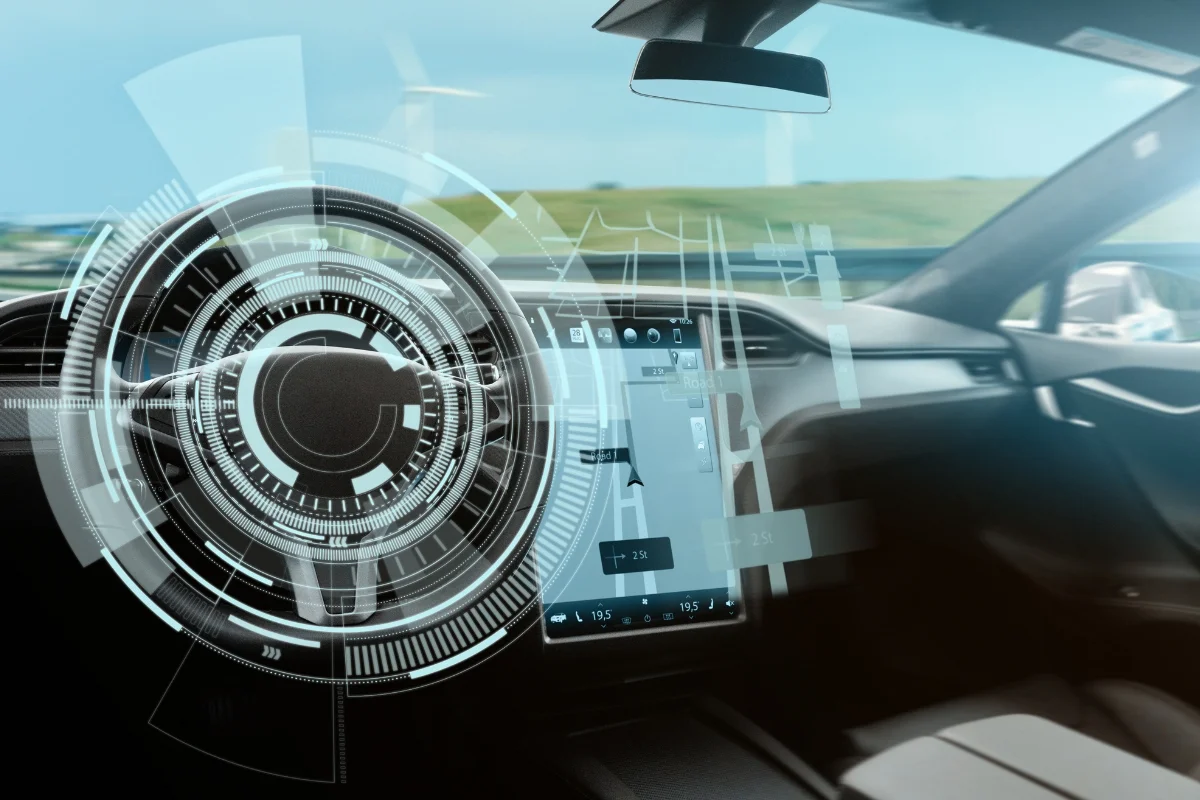
Autonomous driving relies on a fusion of cameras, radar, and other sensors to create a coherent environmental model. Object detection and scene understanding allow vehicles to identify pedestrians, traffic signs, and obstacles, enabling safe navigation even in complex scenarios. Continuous learning from new data refines decision-making over time, making self-driving technology more reliable.
Beyond Transportation: Security, Retail, Agriculture, and Environment
Facial recognition technology provides security and personalization by analyzing expressions and emotions, enhancing user interactions across devices. In retail, AI powers automated checkout and inventory management, streamlining operations. Agriculture benefits from drone monitoring of crop health, optimizing yields and resource use. Environmental conservation uses aerial imagery to track wildlife and assess ecosystems, promoting sustainability.
The Future of Intelligent Systems
As AI integrates further into everyday life, the ability to interpret visual data becomes a silent yet crucial asset. From healthcare to transportation to environmental stewardship, these technologies enhance efficiency, safety, and personalization. The collaboration between human expertise and machine vision promises a more connected and intelligent reality, where smart systems proactively support decision-making and improve quality of life.