How AI Is Helping Utilities Prepare for Extreme Weather and Grid Failures
Extreme weather is straining power grids. AI predicts failures, helps utilities strengthen infrastructure, and guides long-term planning.
Why the Power Grid Is Under Siege
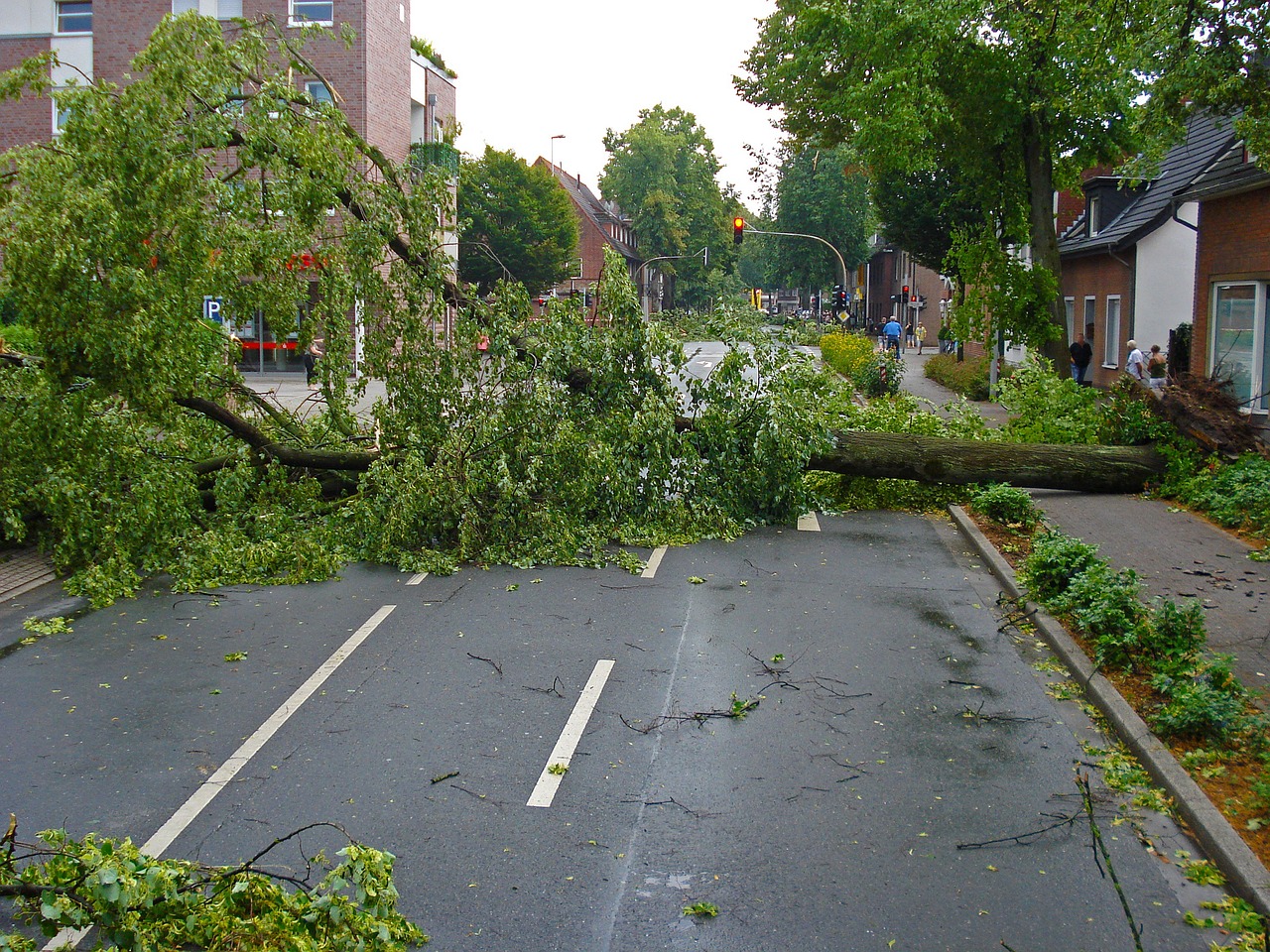
Hurricanes, wildfires, heatwaves, and floods—each becoming more intense due to climate change—are battering the U.S. power grid at an alarming rate. The result? Prolonged outages that disrupt homes, businesses, and critical services. Traditional grid infrastructure was never designed to withstand such frequent and severe events, forcing utilities to rethink their approach to reliability and resilience.
How AI Is Predicting Trouble Before It Strikes
To stay ahead of disasters, many energy providers are deploying artificial intelligence. By processing vast data sets—historical asset failures, real-time weather feeds, remote sensor readings—AI can pinpoint weak spots in the network and recommend targeted reinforcements. This shift from reactive repairs to proactive prevention is reshaping utility operations.
Real-World Examples
Rhizome, founded in 2022, uses machine learning to analyze thousands of hurricane-related pole and line failures. It helps utilities decide exactly where to strengthen structures or trim vegetation for maximum impact.
RADR-Fire, developed by the Pacific Northwest National Laboratory, builds risk models for wildfires, tropical cyclones, and extreme heat. Its projections extend to 2100, enabling utilities to plan decades ahead.
Balancing AI’s Energy Cost With Its Benefits
AI’s own electricity demand could rise by up to 20% this decade. Yet experts like Mark Dyson of the Rocky Mountain Institute note that when AI keeps the grid affordable and reliable—especially during crises—its net contribution is positive. Optimizing model efficiency further reduces the trade-off.
Three Priorities for a Resilient Grid
Standardization of AI Models
Uniform risk-assessment methods ensure that small utilities—often lacking data science teams—can also benefit from AI insights. Industry-wide collaboration is essential to avoid fragmented approaches.
Data Sharing
Making AI-generated risk data accessible to all stakeholders, from local cooperatives to emergency managers, improves preparation and resource allocation.
Infrastructure Investment
Modernizing the grid requires sustained funding, both for physical upgrades (replacing wooden poles, burying lines) and for AI-driven technologies. Together, they create a system ready for tomorrow’s climate.
The path forward is clear: innovation, cooperation, and smart investment. AI offers powerful tools, but its full potential will only be realized through deliberate, collaborative deployment across the entire energy sector.