Climate Change Drivers, Impacts, and Adaptation: A Comprehensive Guide
Climate change drivers: greenhouse gases, albedo feedback, and adaptation strategies. Learn about methane, CO2, and rising seas.
How Climate Change Affects Air Quality and Human Health
Fossil fuel combustion releases not only carbon dioxide but also harmful pollutants like particulate matter and nitrogen oxides. These worsen respiratory health and contribute to smog formation. Climate change intensifies heatwaves, which exacerbate air pollution. Technological advances such as real-time emission monitoring, renewable energy, and electric vehicles offer a path to cleaner air and lower carbon emissions. Policy support and public incentives are vital to accelerate this transition.
Key Drivers of Global Warming: Greenhouse Gases and Feedback Loops
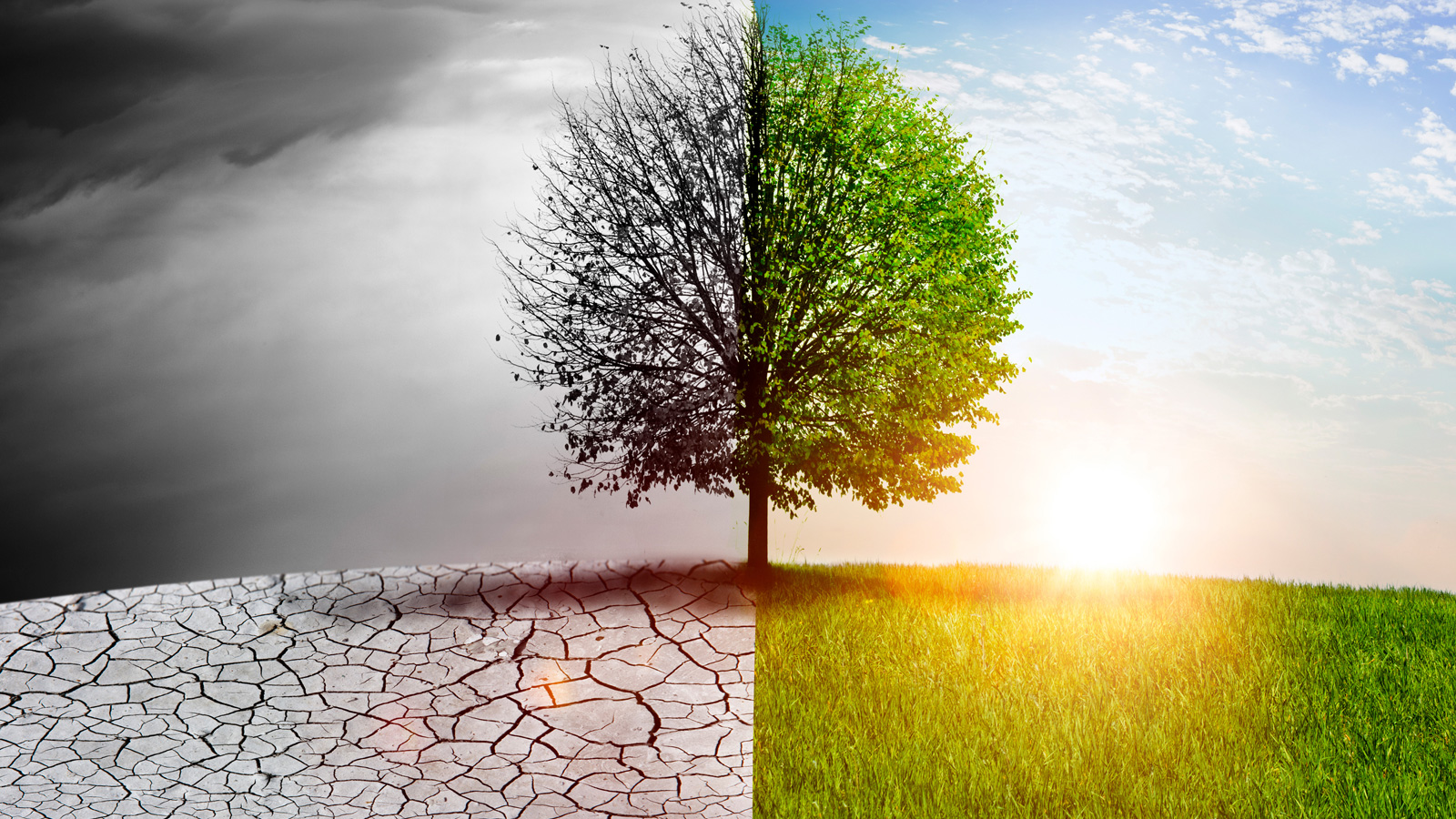
Climate change is driven by a complex interplay of greenhouse gases, albedo changes, and human activities. While carbon dioxide remains the most abundant long-lived greenhouse gas, methane and nitrous oxide pack a stronger warming punch per molecule. Methane, released from agriculture and landfills, traps far more heat than CO2 over short timescales. Nitrous oxide, largely from synthetic fertilizers, also has a high global warming potential. Tackling these emissions requires targeted strategies like improved fertilizer efficiency and methane capture from waste.
The Albedo Feedback Loop
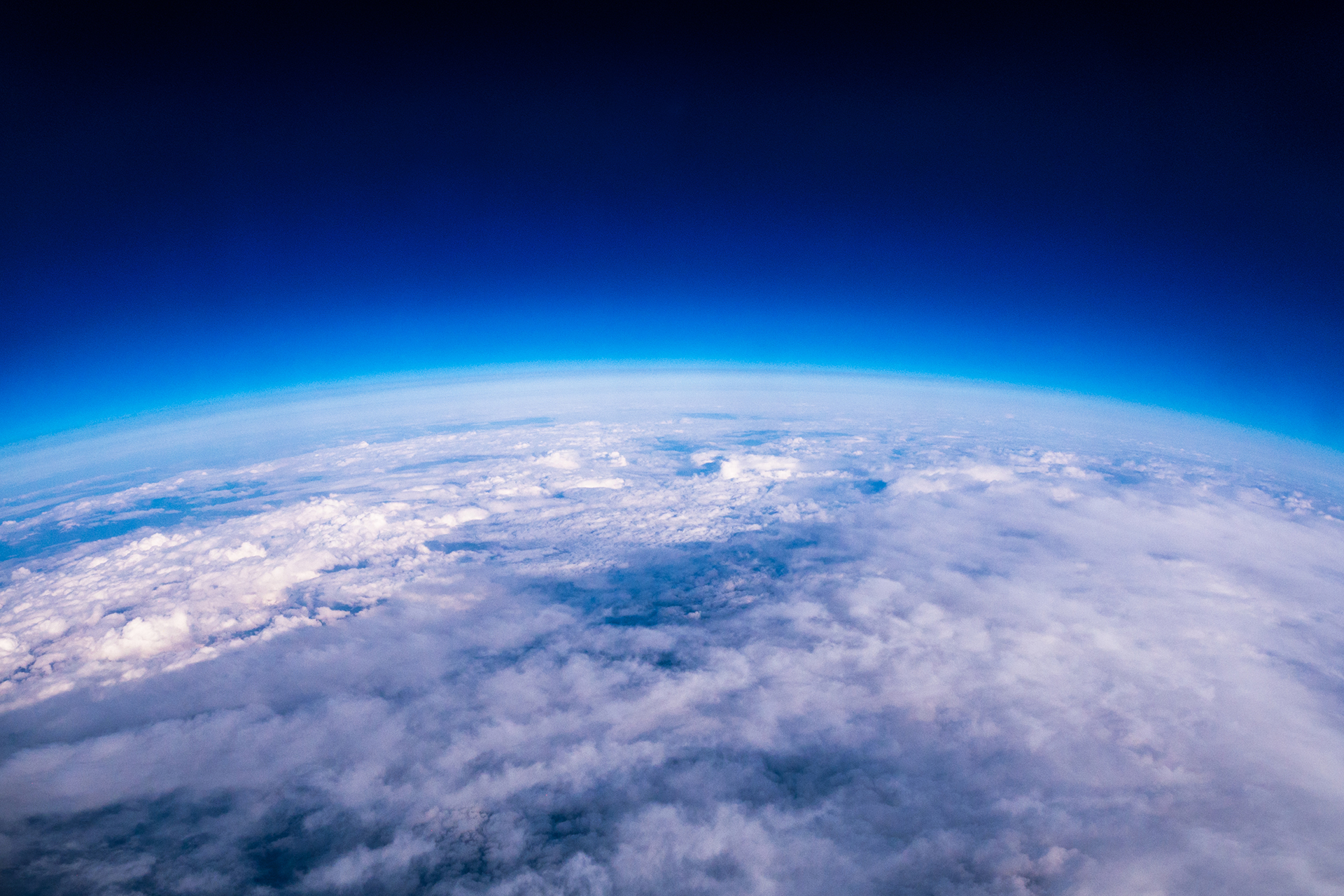
Earth’s reflectivity, or albedo, plays a critical role. Ice and snow reflect sunlight, cooling the planet. As polar ice melts due to warming, darker surfaces like ocean water absorb more heat, accelerating further melt—a dangerous feedback. Urbanization also reduces local albedo, contributing to the urban heat island effect. Solutions include preserving ice sheets and using reflective materials in cities.
Rising Seas and Extreme Weather: The Growing Impact
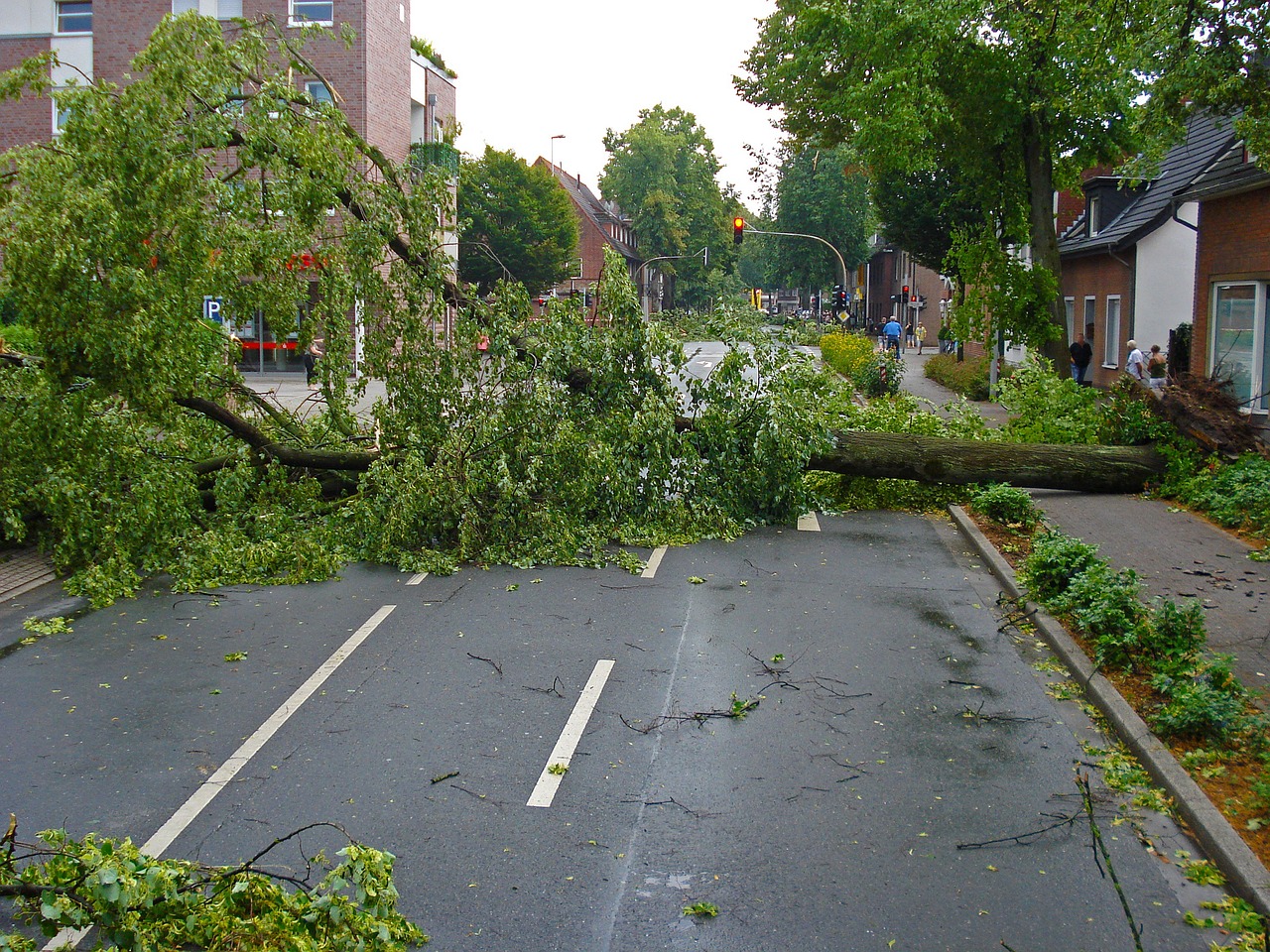
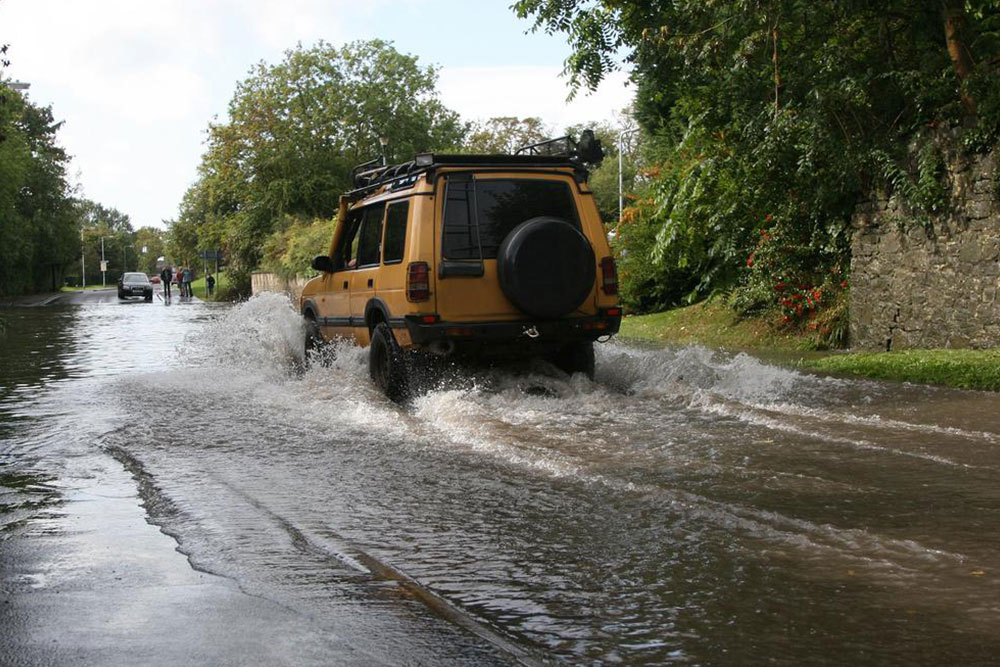
Sea levels are rising due to thermal expansion and melting glaciers, threatening coastal communities. Natural defenses like mangroves and salt marshes buffer storm surges and erosion while storing carbon. Innovative adaptations include floating structures and managed retreat. Meanwhile, extreme weather events—hurricanes, floods, droughts—are becoming more frequent and severe. Investing in resilient infrastructure, early warning systems, and community preparedness is essential. Global cooperation ensures shared knowledge and resources.
Adaptation for a Sustainable Future
Integrating technology with nature-based solutions yields the most effective resilience. Restoring forests, wetlands, and coral reefs enhances carbon sequestration and buffers against impacts. Drones for reforestation and advanced modeling for land use show how tech can support nature. Community engagement and education empower local action, blending traditional and modern knowledge. Adaptation must be holistic—combining technological innovation, ecosystem restoration, and community-driven initiatives to build a future where both people and planet thrive.
Frequently Asked Questions
What are the primary greenhouse gases contributing to global warming? CO2, methane, nitrous oxide, and fluorinated gases trap heat in the atmosphere, driving the greenhouse effect.
How do carbon emissions affect sea level rise? Increased CO2 warms the planet, melting polar ice and expanding seawater, both raising sea levels.
In what ways can extreme weather be linked to climate change? Warmer oceans and altered atmospheric patterns intensify hurricanes, floods, and droughts.
What strategies are involved in climate adaptation? Building resilient infrastructure, water management, early warning systems, and sustainable agriculture reduce vulnerability.
How can individuals reduce carbon emissions? By using public transit, saving energy, choosing renewables, reducing meat consumption, and minimizing waste.