The Key to Vascular Health: Endothelium, Microcirculation, Inflammation, and Arterial Flexibility
Learn how the endothelium, microcirculation, inflammation, and arterial flexibility impact cardiovascular health.

Understanding Vascular Health
Cardiovascular health is built on a dynamic interplay between the endothelium, microcirculation, inflammation, and arterial flexibility. Each component plays a critical role in maintaining blood flow, preventing disease, and ensuring the heart and blood vessels operate efficiently. Recognizing how these factors interact is the first step toward lasting vascular resilience.
Endothelium: The Gatekeeper of Vessel Function
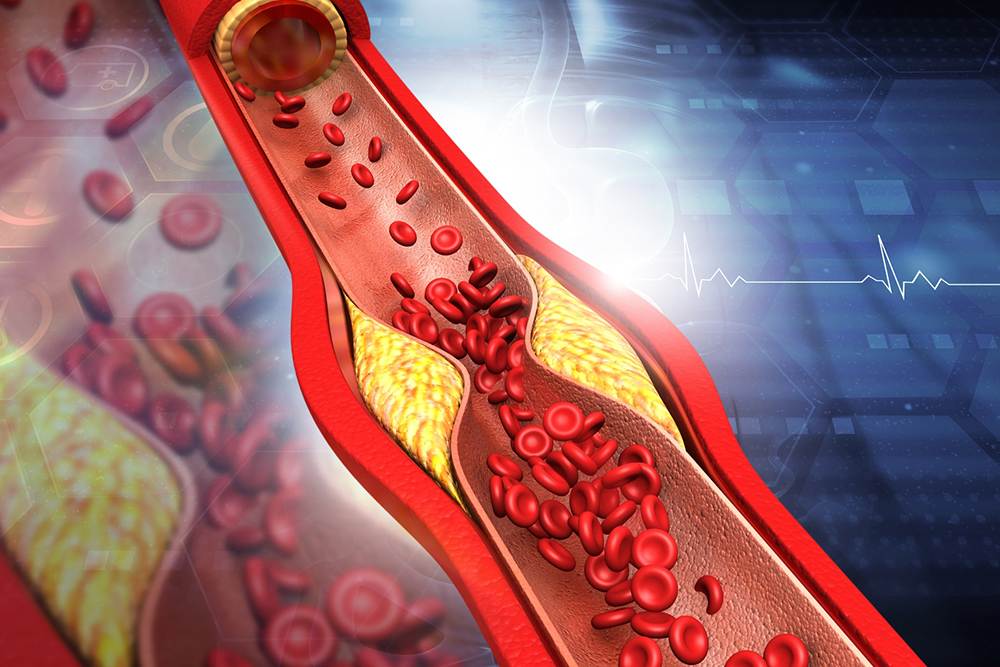
The endothelium is a thin cellular layer lining all blood vessels. It actively regulates blood flow, prevents clot formation, and controls vessel tone. When endothelial function declines, the risk of hypertension, atherosclerosis, and other cardiovascular conditions increases significantly. Protecting this layer is a top priority for vascular health.
Signs of Endothelial Dysfunction
Early indicators include reduced nitric oxide production, impaired dilation, and increased platelet aggregation. Metabolic disorders like diabetes can accelerate this decline. Regular monitoring of vascular reactivity and inflammatory markers helps detect problems before they progress.
Microcirculation: The Heart’s Invisible Network
Capillaries deliver oxygen and nutrients to every cell and remove waste. In the heart, efficient microcirculation is vital for cardiac muscle performance. When microvascular function weakens, the heart struggles under stress, contributing to conditions such as heart failure and arrhythmias.
Assessing Microvascular Health
Advanced imaging techniques, such as near-infrared spectroscopy and nailfold capillaroscopy, now allow clinicians to observe capillary function in real time. These tools enable personalized interventions—like targeted exercise and dietary adjustments—that can reverse microvascular damage.
Inflammation: The Silent Saboteur
Chronic low-grade inflammation attacks the endothelium, promoting plaque formation and arterial stiffness. Markers such as C-reactive protein (CRP) and interleukins provide early warnings. Modulating inflammation through diet, exercise, and medication is key to preserving vascular elasticity.
Biomarkers and Monitoring
Measuring inflammatory biomarkers alongside novel indicators like tsRNAs helps gauge systemic inflammation. Targeted anti-inflammatory strategies—including omega-3 fatty acids, polyphenols, and stress reduction—can restore vascular balance and prevent disease progression.
Arterial Flexibility and Resilience
Healthy arteries expand and contract with each heartbeat. Stiffness increases cardiovascular workload and raises blood pressure. Lifestyle factors—regular physical activity, omega-3 intake, and stress reduction—directly influence arterial flexibility. Early intervention can reverse stiffness and reduce the risk of stroke and heart attack.
Integrative Strategies for Vascular Vitality
A comprehensive approach combines endothelial protection, microcirculation support, inflammation control, and arterial flexibility maintenance. Proactive monitoring through regular check-ups and personalized lifestyle adjustments empowers individuals to sustain vascular resilience throughout life.
Frequently Asked Questions
What is endothelial function restoration and why does it matter? It involves repairing the vessel lining to improve blood flow and clotting control. Healthy endothelium is fundamental to preventing heart disease.
How does microcirculation enhancement improve health? It boosts oxygen and nutrient delivery, supports organ function, and speeds healing. Better capillary flow also benefits skin and muscle recovery.
What reduces arterial stiffness? Exercise, a balanced diet high in omega-3s, weight management, and sometimes medications like statins. Reducing stiffness lowers blood pressure and cardiovascular risk.
Can blood flow optimization boost athletic performance? Yes. Improved circulation increases muscle oxygenation, endurance, and reduces recovery time. Interval training and proper hydration help.
How does inflammation modulation affect capillary health? Controlling chronic inflammation protects capillary walls from damage, ensuring efficient microcirculation. Anti-inflammatory strategies preserve small-vessel integrity.