How Minerals, White Blood Cells, and Antibodies Strengthen Your Immune System
Learn how zinc, selenium, white blood cells, and antibodies work together to support a healthy immune system. Discover key nutritional strategies.

Minerals and Immune Defense
Zinc, selenium, and iron are essential for a strong immune system. Zinc supports T-cell development; selenium protects cells from oxidative damage; iron enables immune cell growth. Other minerals like magnesium, phosphorus, calcium, and potassium also contribute to immune cell communication and energy. A diverse diet with whole foods ensures adequate intake.
White Blood Cells and Antibodies
White Blood Cells
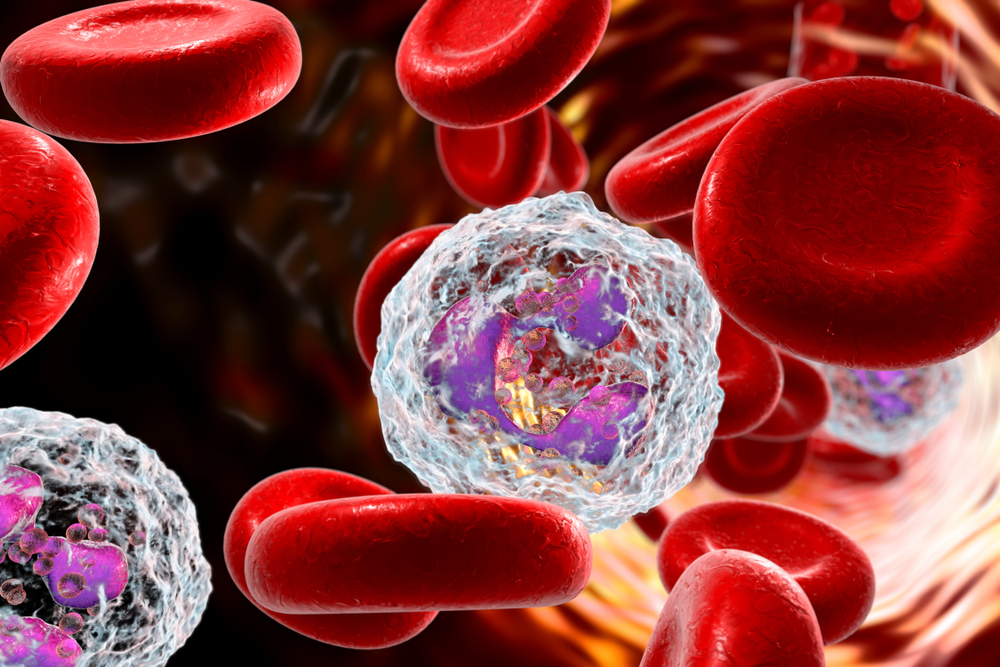
White blood cells (WBCs) include T-cells, B-cells, and regulatory T-cells. T-cells kill infected or cancerous cells, B-cells produce antibodies, and regulatory T-cells prevent overreaction. Signaling molecules coordinate inflammation and recruit other immune cells.
Antibodies
Antibodies are Y-shaped proteins produced by B-cells. They bind to specific antigens, neutralizing threats or marking them for destruction. They circulate in blood, provide immune memory, and adapt to pathogen disguises.
Nutritional Strategies
A balanced diet with vitamins A, C, D, E, essential fatty acids, and antioxidants supports immunity. Whole foods like leafy greens, berries, citrus, nuts, and whole grains nourish the gut microbiome. Limit processed foods and sugar to reduce inflammation.
Frequently Asked Questions
How do antibodies fight infections? They bind to antigens, mark pathogens for destruction, neutralize toxins, and enable immune memory.
Why is inflammation important? Acute inflammation isolates pathogens and starts healing. Chronic inflammation harms health.
What minerals boost immune function? Zinc, selenium, and iron are key. A varied diet provides them.
What do white blood cells do? Identify and eliminate pathogens, remove dead cells, orchestrate the immune response.
How can lifestyle support natural defenses? Nutrient-rich diet, exercise, sleep, stress management.