The Science of Graceful Aging: Boost Resilience, Cognition, and Metabolism
Discover how to enhance physical resilience, cognitive vitality, and metabolic health for a longer, more vibrant life with expert-backed strategies.

Cellular Foundations of Longevity
Every aspect of aging traces back to the health of our cells. With trillions of cells functioning like miniature cities, DNA serves as the master blueprint. Over time, environmental toxins, oxidative stress, and metabolic byproducts accumulate, weakening repair mechanisms. Supporting natural cellular repair—through nutrition, exercise, and lifestyle choices—preserves tissue integrity and organ function, forming the bedrock of a long, active life.
Building Physical Resilience: Bones and Beyond
Weight-bearing activities such as walking, jogging, and strength training stimulate bone remodeling, increasing density and reducing fracture risk. This process not only protects the skeleton but also strengthens connective tissues and enhances neuromuscular coordination. Consistency in physical activity, combined with adequate calcium and vitamin D intake, ensures that your body remains robust and mobile well into older age.
Preserving Cognitive Vitality
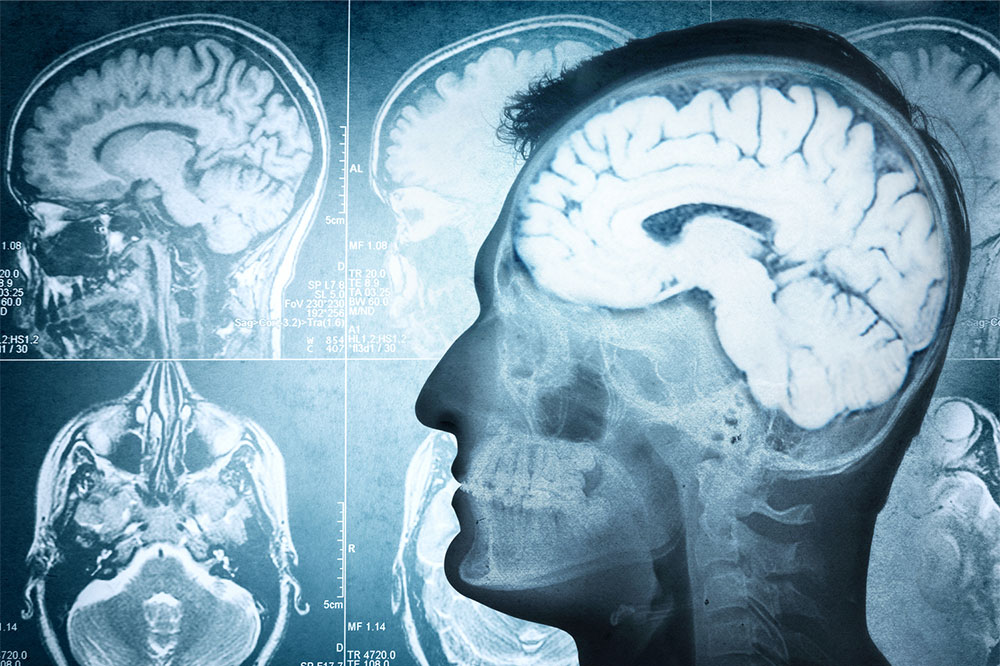
A sharp mind depends on neuroplasticity—the brain's ability to form new connections. Lifelong learning, social engagement, and novel experiences keep neural networks flexible. Diet plays a pivotal role: polyphenols, flavonoids, and vitamin E from berries, nuts, and leafy greens combat oxidative stress that drives cognitive decline. Regular cardiovascular exercise also improves blood flow and promotes neurogenesis, forming a dynamic duo for mental clarity.
Metabolic Mastery for Sustained Energy
Metabolism—the engine converting food into energy—slows with age due to muscle loss and hormonal shifts. A nutrient-dense diet rich in lean proteins, whole grains, and healthy fats provides essential vitamins and antioxidants. Stabilizing blood sugar through regular, mindful meals prevents energy crashes and weight gain. Aligning eating patterns with your body's metabolic needs fuels peak performance and supports longevity.
Antioxidants: Your Cellular Shield
Oxidative stress from free radicals accelerates aging by damaging DNA and cells. Antioxidants like vitamins C, E, selenium, and carotenoids neutralize these threats. A colorful diet—incorporating vegetables, fruits, and nuts—provides a daily defense system that protects brain function, immunity, and skin health. Variety is key: each antioxidant targets different types of damage, creating a comprehensive shield against time.
Harmony in Motion: Exercise and Recovery
True fitness arises from the interplay of challenge and rest. While strength training, cardio, and flexibility work build capacity, recovery allows adaptation. Active recovery practices such as yoga, stretching, and light walking complement intense sessions, reducing injury risk and ensuring steady progress. Sleep, hydration, and stress management round out the recovery toolkit, making every workout count.
Frequently Asked Questions
What are effective strategies for a longer, healthier life?
A combination of nutrient-rich nutrition, regular physical activity, adequate sleep, stress management, and avoidance of harmful habits forms the foundation. Mindfulness and social connections further enhance well-being and quality of life.
How can I support bone density as I age?
Ensure sufficient calcium and vitamin D through diet or supplements. Engage in weight-bearing exercises like walking, jogging, and resistance training. Avoid smoking and limit alcohol to slow bone loss.
What methods preserve cognitive function in older adults?
Stimulate the mind with puzzles, reading, and new skills. Regular exercise improves blood flow and neurogenesis. A diet rich in omega‑3s and antioxidants, plus adequate sleep and social engagement, supports brain health.
Why is muscle maintenance important, and how can it be achieved?
Muscle maintenance prevents sarcopenia, which reduces mobility and increases fall risk. Strength training, adequate protein intake, and flexibility/balance exercises are essential for preserving function and independence.
How does antioxidant intake contribute to metabolic stability?
Antioxidants neutralize free radicals that drive oxidative stress, a contributor to metabolic disorders like diabetes and obesity. A diet rich in antioxidants supports the body's ability to manage oxidative stress, promoting better metabolic health.