The Complete Guide to Professional Car Detailing: Paint Correction, Ceramic Coatings & Interior Care
Learn the science of car detailing: paint correction, ceramic coatings, interior cleaning, and protective technologies for lasting shine and value.
Why Paint Protection Matters
A vehicle's clear coat is its first line of defense against environmental damage. This transparent layer shields the base paint from harmful UV rays, acid rain, and road debris. Without proper care, sun exposure, dirt, and improper washing lead to dullness, swirl marks, and scratches that diminish the car's appearance and value.
Paint Correction: Restoring Gloss and Clarity
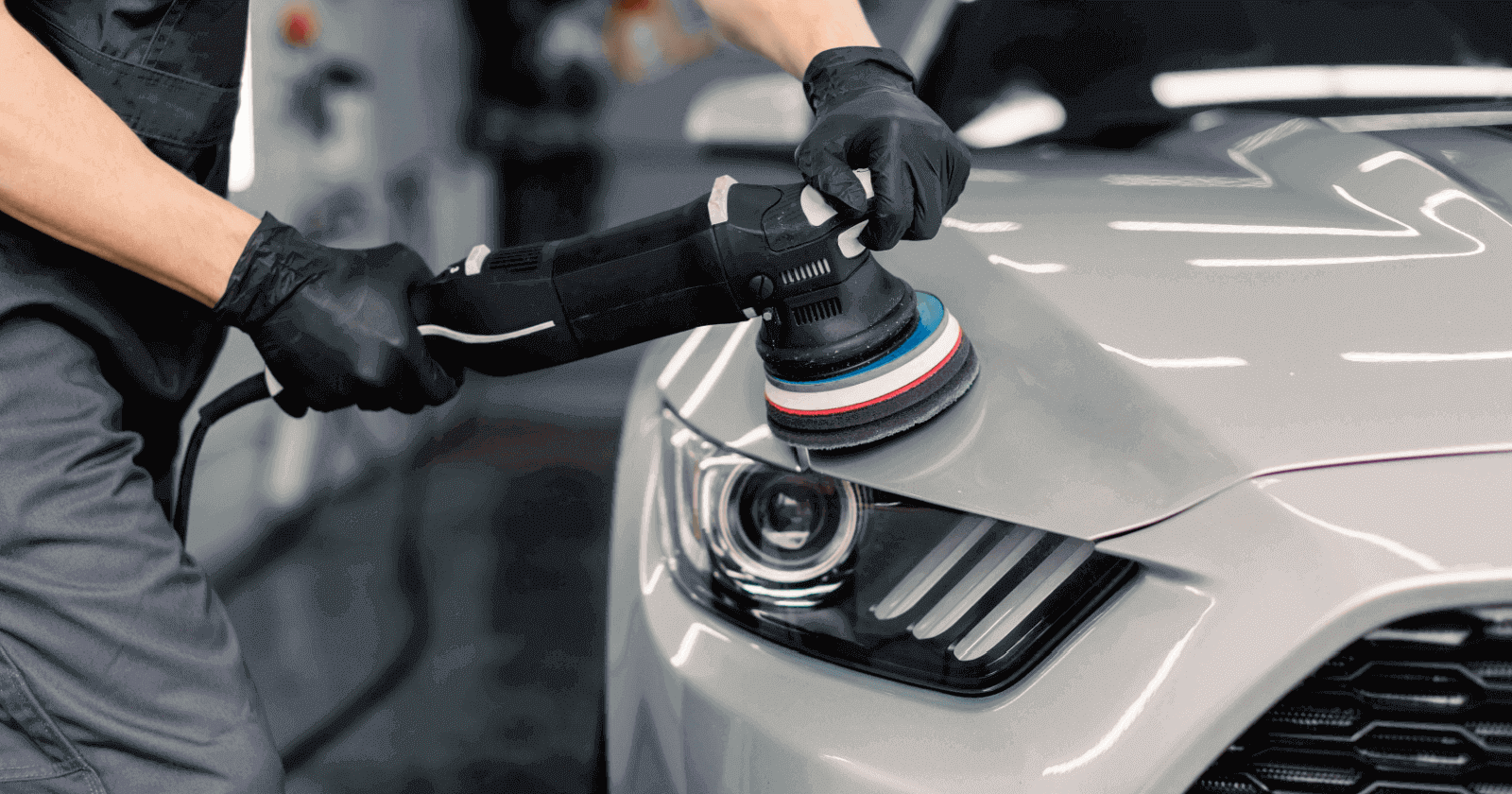
Paint correction involves machine polishing to remove surface defects by carefully abrading the clear coat. The process eliminates swirl marks and light scratches, allowing the paint to reflect light uniformly. Achieving optimal results requires selecting the right abrasive polish and technique to avoid removing too much clear coat, preserving the layer's integrity.
Key Considerations for Correction
The success of paint correction depends on paint thickness, hardness, and the severity of imperfections. Professionals use digital thickness gauges to measure clear coat depth before starting, ensuring safe correction levels. A multi-step process with progressively finer polishes yields a mirror-like finish.
Choosing the Right Protective Coating
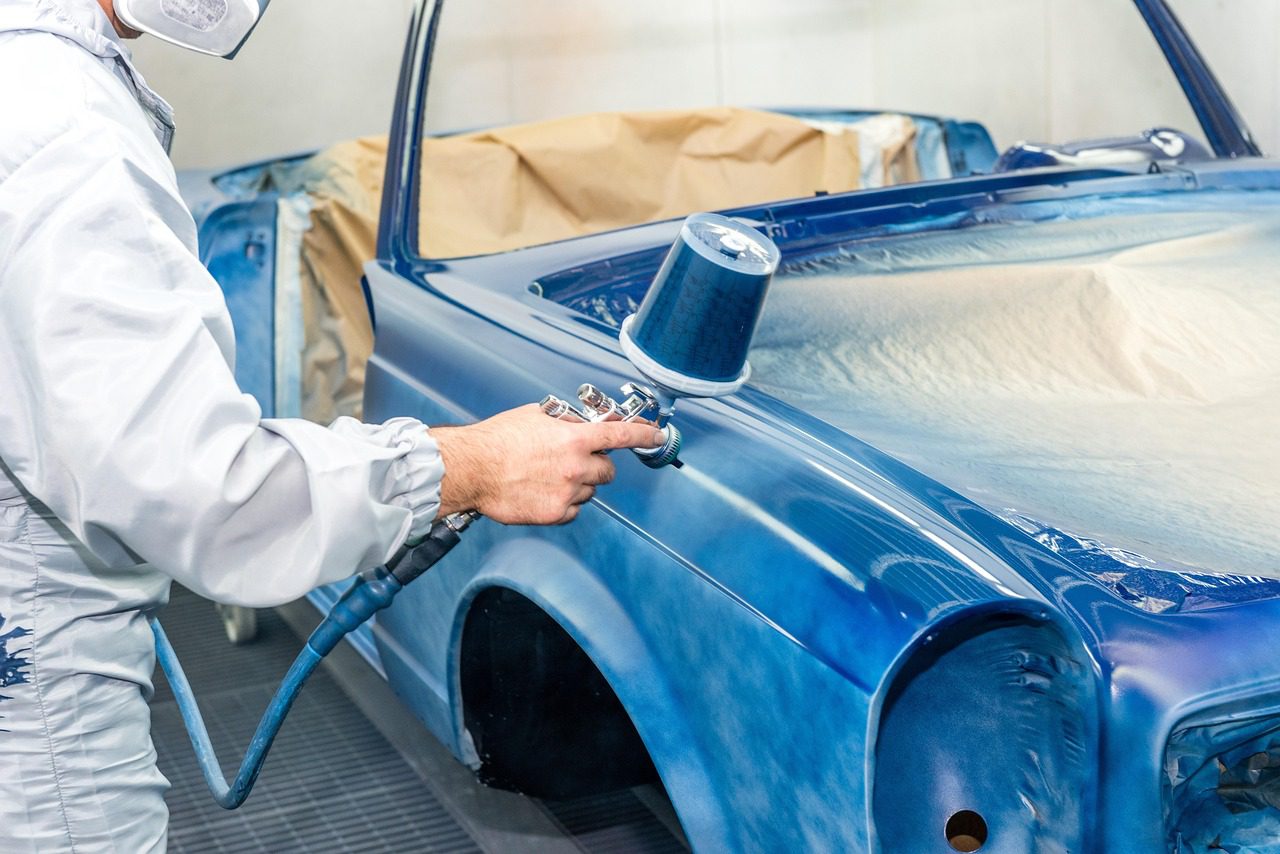
After correction, long-term protection is essential. Traditional waxes provide a temporary shine that lasts weeks, while modern ceramic coatings chemically bond with the clear coat to create a durable, hydrophobic barrier lasting years. Ceramics offer superior resistance to UV rays, minor scratches, and chemical stains, making cleaning easier and enhancing gloss. For even greater protection, graphene coatings provide self-healing properties, and paint protection film (PPF) guards against rock chips and impact damage.
Interior Detailing: More Than Meets the Eye
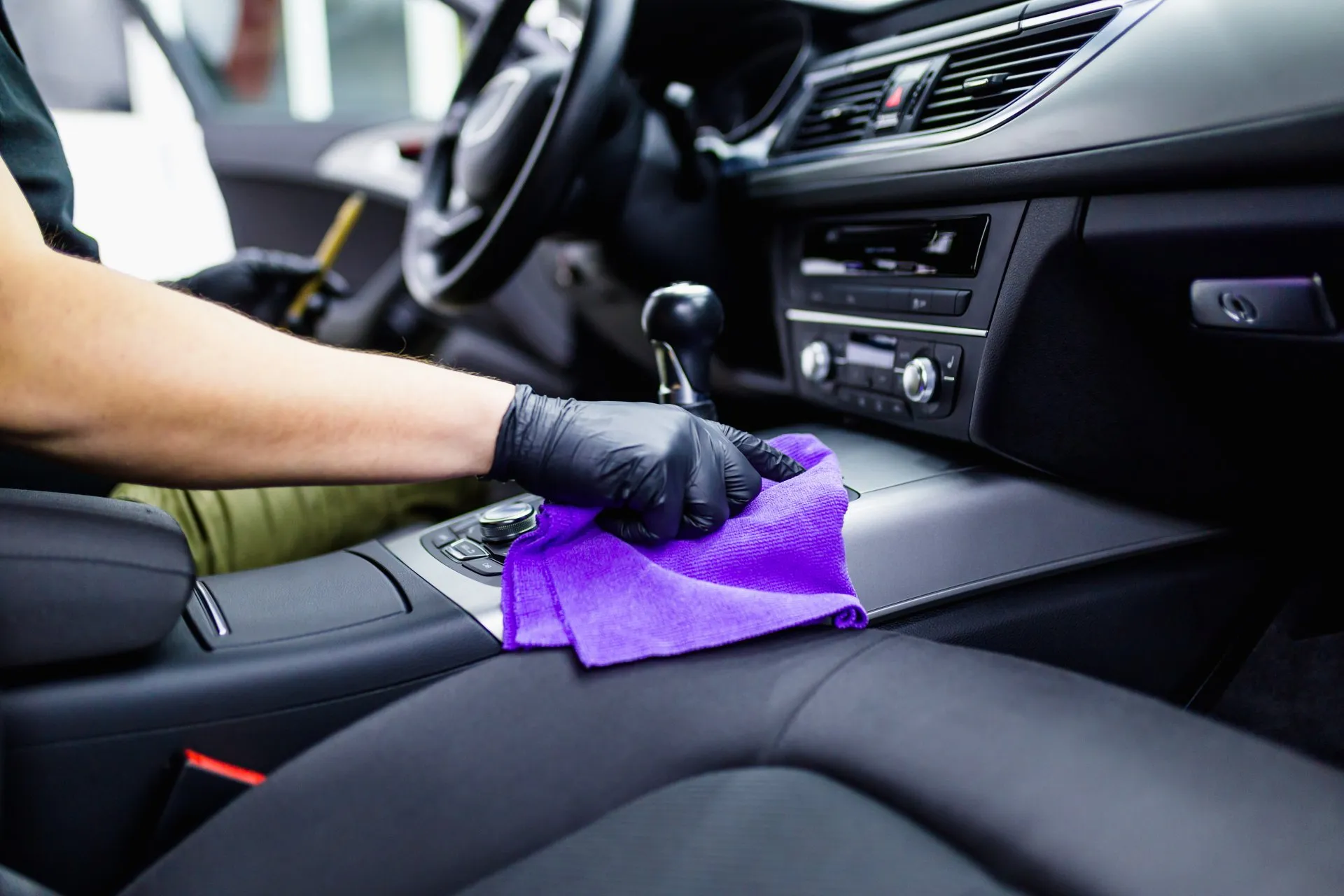
Thorough interior detailing goes beyond surface cleaning. Vacuuming reaches tight spaces, while steam cleaning uses high heat to dissolve grime and sanitize fabrics without harsh chemicals. Each material requires tailored care: leather needs conditioning to prevent cracking, fabric benefits from deep extraction, and plastic or vinyl surfaces get UV-protective dressings. Regular engine bay cleaning aids heat dissipation and helps detect leaks early.
Innovations Driving Detailing Forward
Nanotechnology enables ultra-durable, self-cleaning coatings that repel water and dirt. Digital diagnostic tools analyze paint thickness for precise correction, while robotic wash systems ensure consistency. Low-impact methods protect sensitive interior electronics like touchscreens from moisture damage.
A Holistic Approach to Vehicle Maintenance
Regular decontamination with a clay bar and application of high-quality sealants maximize exterior protection. Inside, quality floor mats reduce dirt buildup. Consistent detailing preserves resale value and prevents long-term degradation. Understanding proper techniques helps avoid common mistakes that compromise paint and interior condition.
Frequently Asked Questions
What is paint correction? It is a machine-polishing process that removes swirl marks and scratches by leveling the clear coat, restoring gloss and preparing the surface for protection.
How does ceramic coating differ from wax? Ceramic coatings bond chemically to the paint, offering years of durability and hydrophobic benefits, whereas wax provides temporary shine and minimal protection.
Why is interior sanitizing important? It eliminates allergens, bacteria, and odors; steam cleaning and antibacterial treatments create a healthier cabin environment.