Mastering Classic Car Restoration: From Rare Parts to Concours Finish
Learn the art of vintage car restoration: sourcing rare parts, rust repair, authentic interiors, paint matching, and concours preparation. Expert tips inside.
The Quest for Original Parts
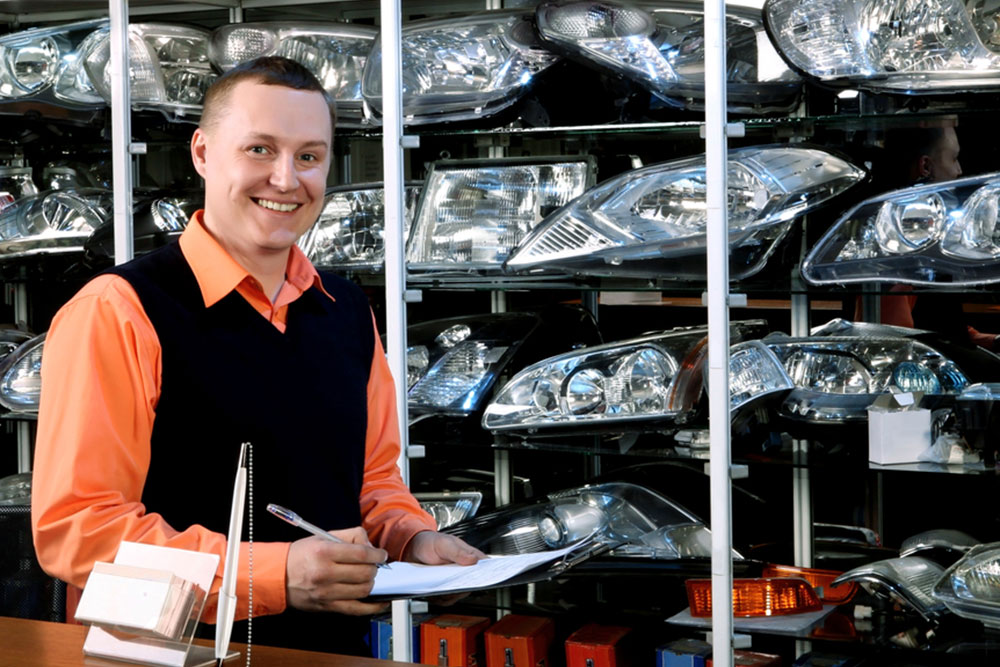
Finding authentic components that have been out of production for decades is the first major hurdle in vintage car restoration. Success depends on tapping into global enthusiast networks, visiting swap meets and auto shows, and combing salvage yards. Trust built within clubs and online forums often unlocks hidden stashes in private garages. Specialist dealers provide curated access to elusive badges, trims, and engine details, preserving authenticity and cutting down guesswork.
Structural Renewal: Body and Chassis
Restoration goes beyond looks; it must restore structural integrity. Rust removal employs chemical treatments and media blasting to salvage original metal. Severely corroded panels are replaced with period-correct steel and protected with inhibitors. The engine undergoes a meticulous teardown, with each component cleaned, measured, and either refurbished or replaced to factory specs. Modern precision tools guarantee smooth reassembly, honoring original craftsmanship while ensuring reliability.
Interior: Soul of the Car
The cabin is where the vehicle’s character shines. Selecting authentic materials—such as specific leathers, fabrics, and wood veneers like burr walnut or bird's-eye maple—requires sourcing rare textiles or commissioning bespoke runs. Upholstery work reconstructs seat structures and uses period-correct stitching techniques like French seams, balancing historical accuracy with modern comfort for daily use.
Paint and Finish
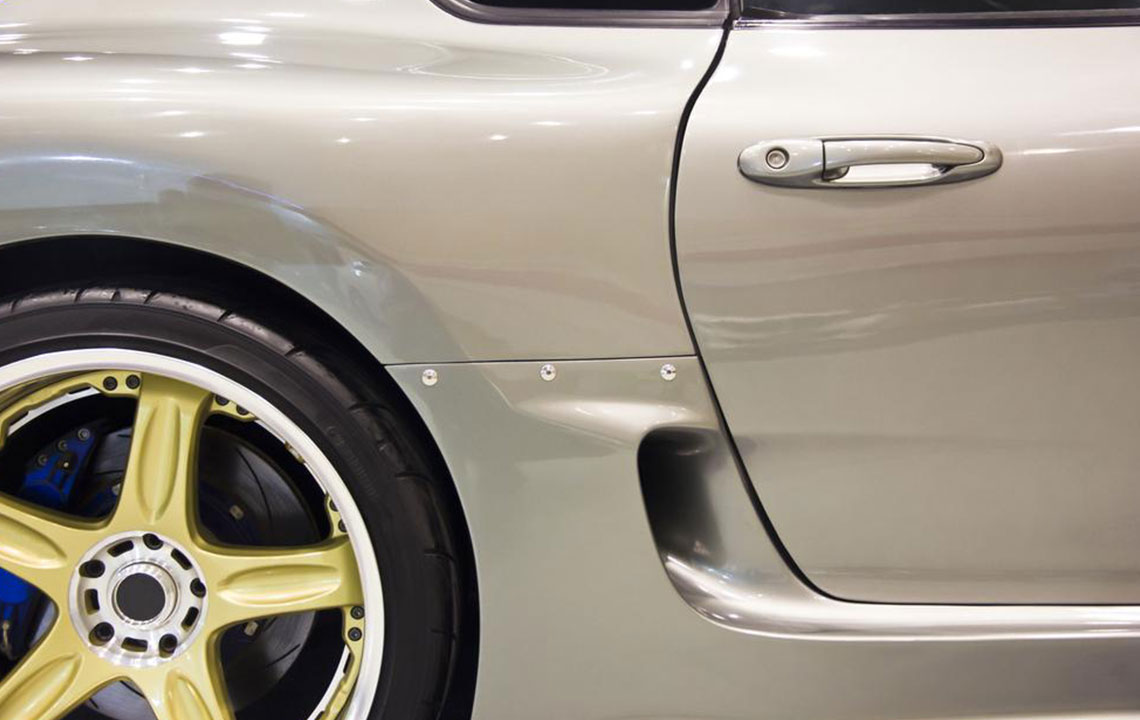
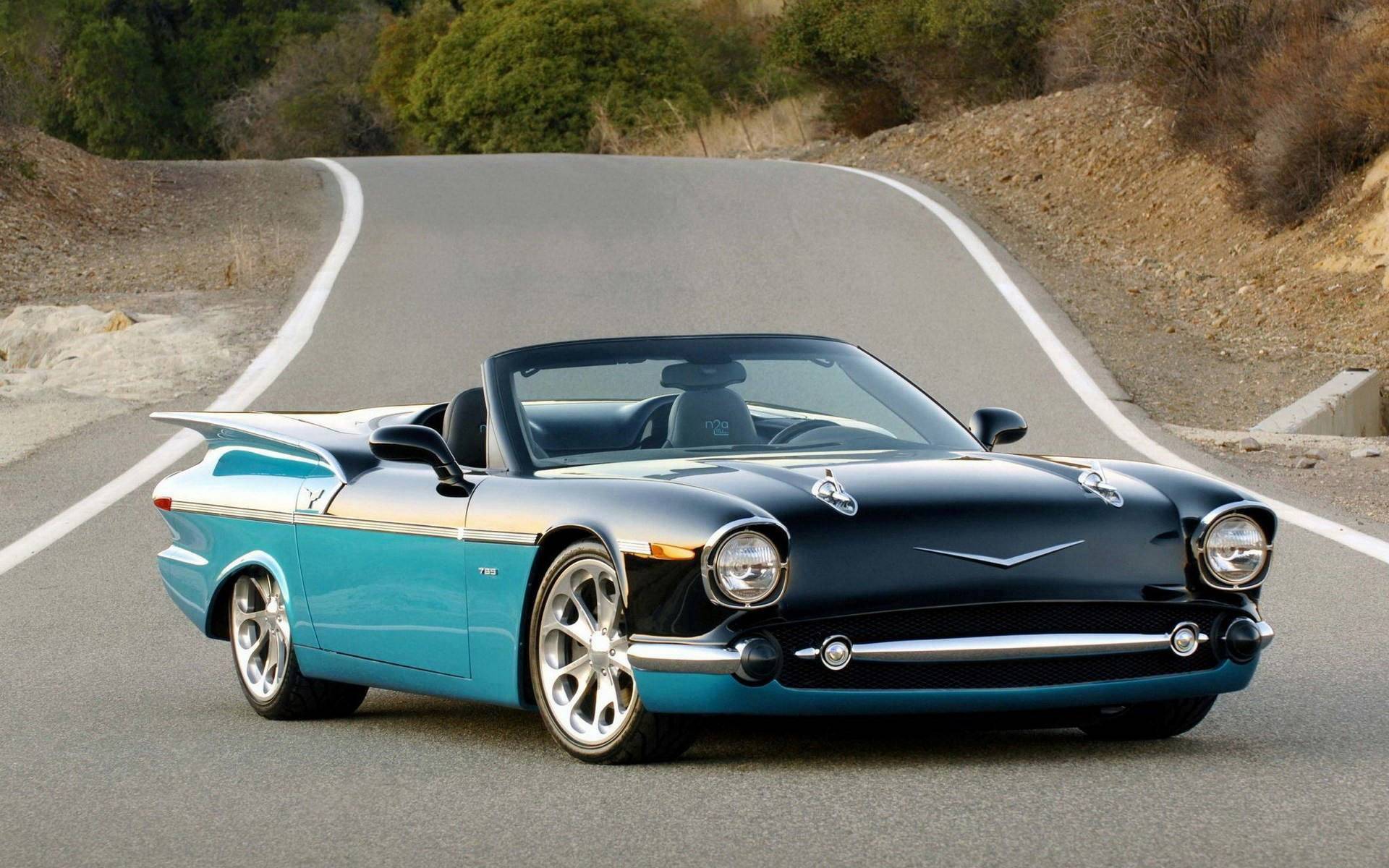
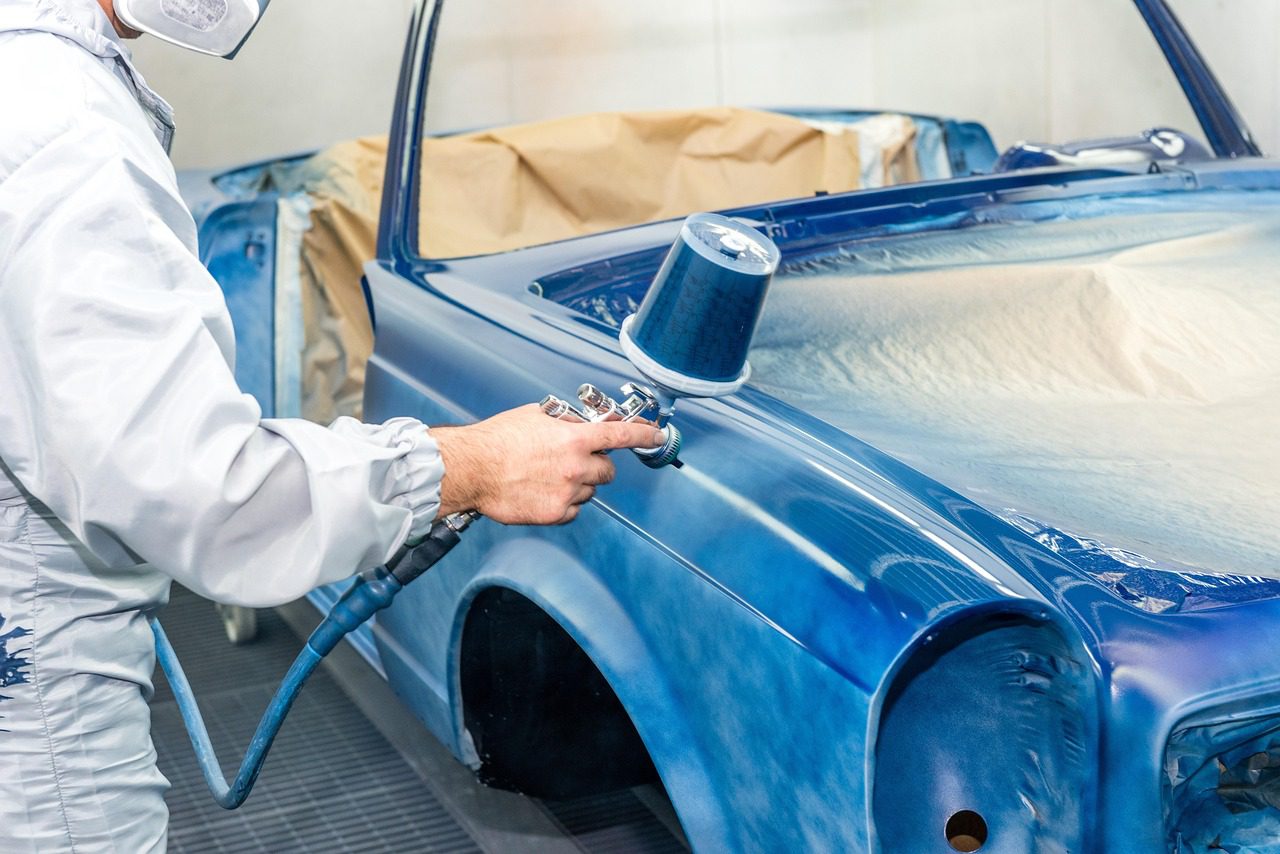
The exterior color defines the car’s era. Restorers analyze untouched paint patches to recreate original shades through iterative spraying. Special finishes, such as candy layers or metallic flake, demand patience and specialized methods. After painting, modern ceramic coatings protect the surface against scratches and weather, preserving the luster for future enjoyment or concours events.
Legacy Through Craftsmanship
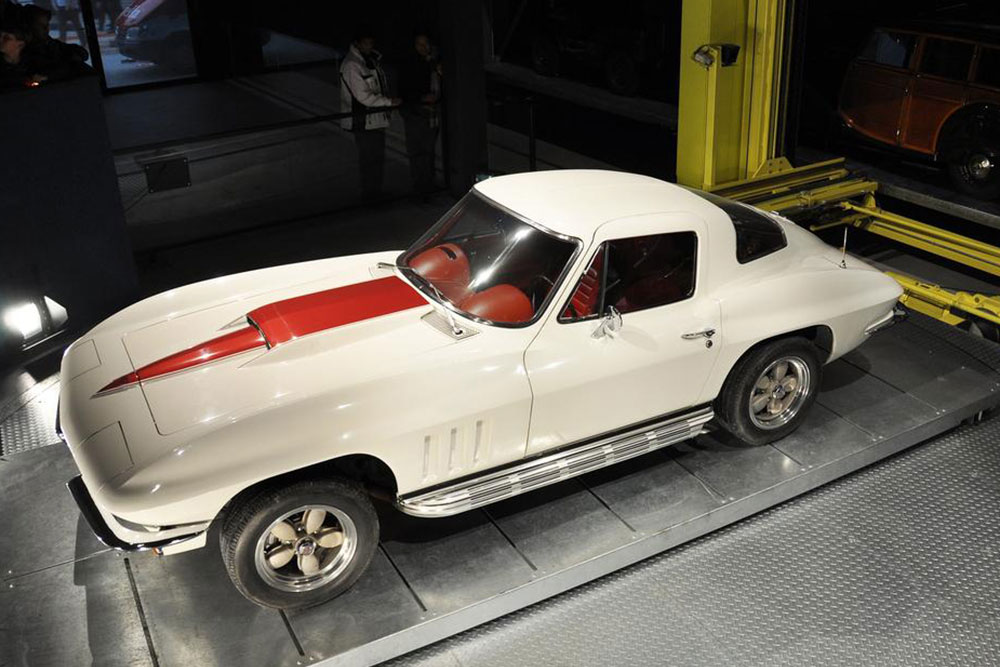
By addressing these core areas, restorers breathe new life into automotive history, turning forgotten vehicles into rolling works of art that celebrate their storied pasts for generations to come.
Frequently Asked Questions
How can I find rare parts for my classic car? Connect with specialized suppliers, attend car shows and swap meets, and join online forums dedicated to your marque. Building trust within these communities often reveals parts hidden in private collections.
What is the best approach to rust repair on a vintage vehicle? Start by isolating rust, then use sandblasting or rust converters to remove it. For severe damage, cut out affected metal and weld in new period-correct panels. Always finish with rust inhibitors.
What should I consider when rebuilding a classic car engine? Assess the engine’s condition first. Precision measurement and machining are critical—replace or refurbish parts to original specifications. Consult experienced mechanics to preserve authenticity while ensuring performance.
How do I choose the correct paint color for my restoration? Research original documentation or manufacturer archives. Many paint suppliers offer historical color palettes. Expert advice from marque-specific clubs can further narrow down the exact shade.
What are the keys to concours-level preparation? Every detail must meet original specs: engine bay, undercarriage, interior, and finish. Meticulous cleanliness and thorough documentation of provenance and restoration efforts are essential for judging.