How to Maximize Engine Performance: ECU Remapping, Forced Induction, Exhaust Upgrades, and Dyno Tuning
Learn how ECU remapping, turbocharging, exhaust upgrades, and dyno testing work together to maximize engine performance. Expert tips for reliable power gains.

Unlocking Your Engine’s Full Potential
Modern performance tuning blends precise electronic control with mechanical enhancements. This guide covers ECU remapping, turbocharging vs. supercharging, exhaust system upgrades, and dyno validation—key elements that work together to deliver reliable, measurable power gains for both enthusiasts and professional tuners.
ECU Remapping: The Digital Heart of Tuning
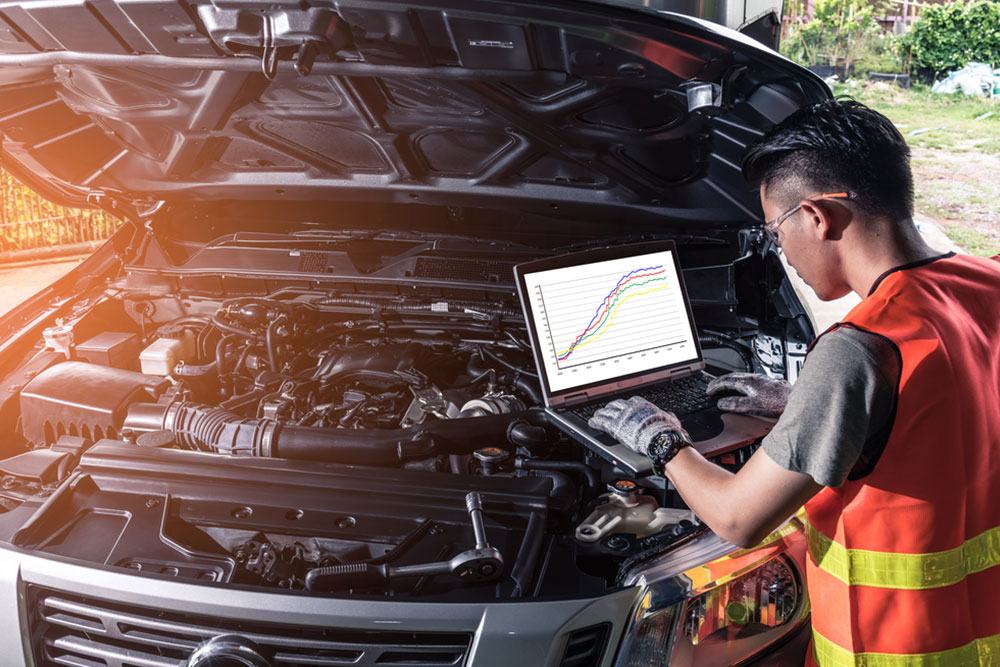
ECU remapping alters the engine control unit’s fuel, ignition, and throttle maps. By replacing conservative factory settings, tuners can increase horsepower, torque, and even fuel economy while eliminating hesitation and flat spots. The process involves reading the original file, adjusting parameters (e.g., enriching the air-fuel ratio at high loads, advancing ignition timing), and writing the new calibration.
Pairing Software with Hardware
Software-only gains are solid, but combining remapping with hardware modifications—like a performance exhaust or cold air intake—amplifies results. The ECU is recalibrated to exploit increased airflow, creating a synergistic system. This is the foundation for Stage 1 and Stage 2 tuning packages.
Forced Induction: Turbocharging vs. Supercharging
Forced induction forces more air into the engine, enabling more fuel to burn and generating substantial power. Two main methods offer different driving characteristics.
Turbocharging: Efficiency and Power
Turbochargers use exhaust gas to spin a turbine, compressing intake air. They offer excellent power-to-weight ratios and better fuel economy at light load. Custom remapping is critical to manage boost pressure, fuel delivery, and ignition timing, reducing lag. Heat management upgrades (intercoolers, exhaust) help maintain consistency.
Supercharging: Instant Throttle Response
Superchargers are mechanically driven by the crankshaft, providing immediate boost with no lag. Types include Roots (low-end torque), twin-screw, and centrifugal (high-RPM power). Supporting upgrades—fuel system, exhaust, cooling—are necessary for safe, high-power operation.
Exhaust System Upgrades
Upgrading the exhaust reduces back pressure and improves flow, helping the engine breathe freely. This yields horsepower and torque gains, especially when paired with forced induction or remapping. A well-designed exhaust also enhances the engine note, adding auditory excitement.
Dyno Testing: Precision Validation
Dynamometer testing provides accurate, repeatable measurements of horsepower, torque, and air-fuel ratios. Tuners adjust settings in a controlled environment, simulating real-world conditions. Dyno results offer concrete proof of gains and identify weak points before the vehicle hits the road.
Real-Time Fine-Tuning
With live feedback, tuners can tweak fuel maps and ignition timing efficiently. Each adjustment is validated immediately, reducing guesswork and minimizing engine damage risk. Dyno testing guides necessary upgrades and ensures reliability.
Frequently Asked Questions
What is ECU remapping and how does it benefit a vehicle? ECU remapping modifies the engine control unit's software to enhance performance. Benefits include increased horsepower, better torque, improved fuel efficiency, and smoother throttle response—without requiring physical modifications.
How does turbocharging improve engine performance? Turbocharging forces more air into the combustion chamber using exhaust gases, allowing more fuel to be burned. This results in significant horsepower and torque gains, making the engine more powerful and efficient than naturally aspirated versions.
What are the advantages of supercharging over turbocharging? Supercharging provides instant power because it is mechanically driven by the crankshaft, eliminating turbo lag. It offers consistent boost across the RPM range, ideal for applications requiring immediate throttle response.
Why are exhaust system upgrades important for performance vehicles? Upgraded exhausts reduce back pressure and improve flow, enhancing engine efficiency and horsepower. They also produce a more aggressive exhaust note, desired by many enthusiasts.
What role does dyno testing play in vehicle performance tuning? Dyno testing accurately measures power output and engine performance. It provides data on horsepower, torque, and efficiency, allowing precise adjustments during tuning processes like ECU remapping. This ensures modifications achieve the intended improvements reliably.