Complete Guide to Home Heating Systems: Types, Costs, and Efficiency
Compare forced air, radiant, heat pump, and boiler systems. Learn how to choose based on climate, home size, and budget. Efficiency tips included.

Introduction to Home Heating
Choosing a heating system is a major investment that impacts comfort, energy costs, and indoor air quality. Modern options range from traditional furnaces to cutting-edge heat pumps, each offering distinct benefits. This guide breaks down the most common types, explains how to assess them based on your climate and home size, and shares actionable tips to boost efficiency and save money.
Main Heating System Types
Forced Air Furnaces
The most common system in North America. A furnace heats air using natural gas, oil, or electricity, then pushes it through ducts. It heats rooms quickly and works with central air conditioning. Drawbacks include potential dust circulation if filters aren't clean, and uneven temperatures from duct imbalances.
Pros: Fast heat, fuel flexibility, compatible with AC.
Cons: Allergen spread, frequent filter changes, possible hot/cold spots.
Radiant Heating
Uses pipes or electric cables installed under floors. Hot water or electricity warms the floor, which radiates heat upward. Provides silent, even warmth without blowing air — ideal for allergy sufferers. However, installation is costly and disruptive, requiring floor modifications.
Steam Radiator Systems
Common in older homes, steam systems use a boiler to create steam that travels through pipes to radiators. They heat slowly but offer steady, durable warmth. While rarely installed new, they're valued for longevity (often decades).
Heat Pumps
Heat pumps work as both heater and air conditioner. Air-source models extract warmth from outside air; geothermal models tap into ground temperatures. Highly efficient in moderate climates. Upfront cost is high (especially geothermal), but lower operating costs and tax credits offset it over time.
Boiler (Hydronic) Systems
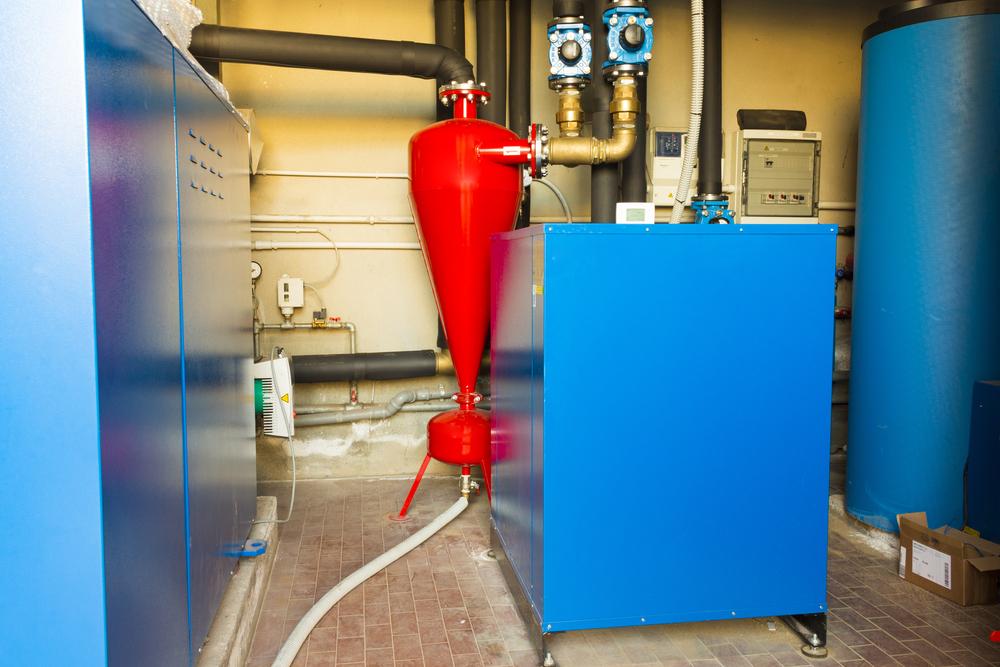
Boilers heat water or steam that circulates through radiators or radiant floors. They don't blow air, so no allergens or dryness. Reliable and long-lasting but cost more to install than furnaces. Great for homeowners planning to stay long term.
How to Select the Right System
Climate and Location
In cold regions, radiant or boiler systems deliver consistent heat. Warmer climates suit heat pumps that handle both seasons. For mild areas, forced air or heat pumps work well.
Energy Source
Natural gas is often cheapest but requires a gas line. Electric systems offer flexibility and can pair with solar panels. Oil remains an option in areas without gas.
Home Size and Layout
Small homes may benefit from ductless mini-splits. Larger homes often need zoned systems or multiple units. Consider insulation, windows, and heat loss to choose the right capacity.
Budget and Long-Term Costs
Factor in installation, monthly bills, maintenance, and lifespan. High-efficiency models cost more upfront but pay back over time. Check for rebates from utilities or government programs.
Maintenance for Longevity
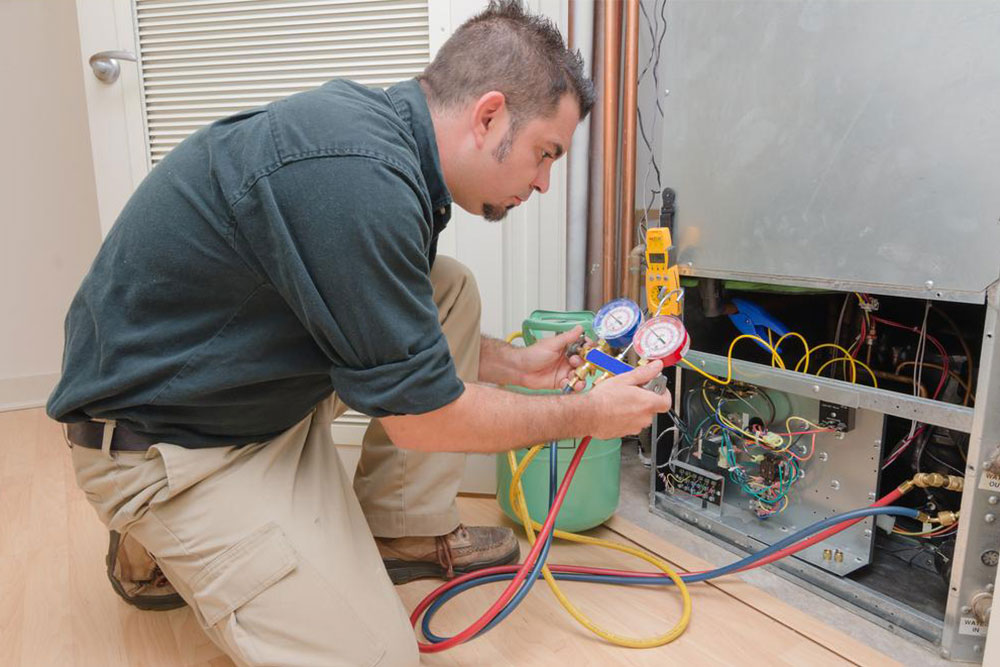
Annual professional inspections are essential. For forced air, change filters every 1–3 months. For steam/hot water systems, bleed radiators and check boiler water levels. Seal and insulate ducts to reduce heat loss.
Energy-Saving Strategies
Energy Star Equipment
Choose Energy Star-rated systems with smart thermostats and variable-speed motors. They reduce energy use and qualify for rebates.
Government and Utility Rebates
Many regions offer incentives for upgrading. Research local programs to lower upfront costs.
Optimal Thermostat Settings
Set your thermostat 7–10°F lower when asleep or away. Programmable or smart thermostats automate this, saving significant money.
Frequently Asked Questions
Best system for cold climates? Radiant or advanced boiler systems provide consistent warmth.
Can I switch from gas to electric? Yes, but it may require electrical panel upgrades and ductwork changes.
How often should I service my system? Annual service by a certified technician is recommended.
Are smart thermostats worth it? Yes, they learn your habits and adjust, reducing waste.
Is it worth upgrading to a high-efficiency model? Usually yes, due to long-term energy savings and available rebates.