Marine Life Adaptations and Ocean Conservation: From Deep-Sea Creatures to Coral Reefs
Explore deep-sea adaptations, plankton's global role, coral reef threats from acidification, and conservation strategies for ocean health.
Exploring the Depths: Life in the Deep Ocean
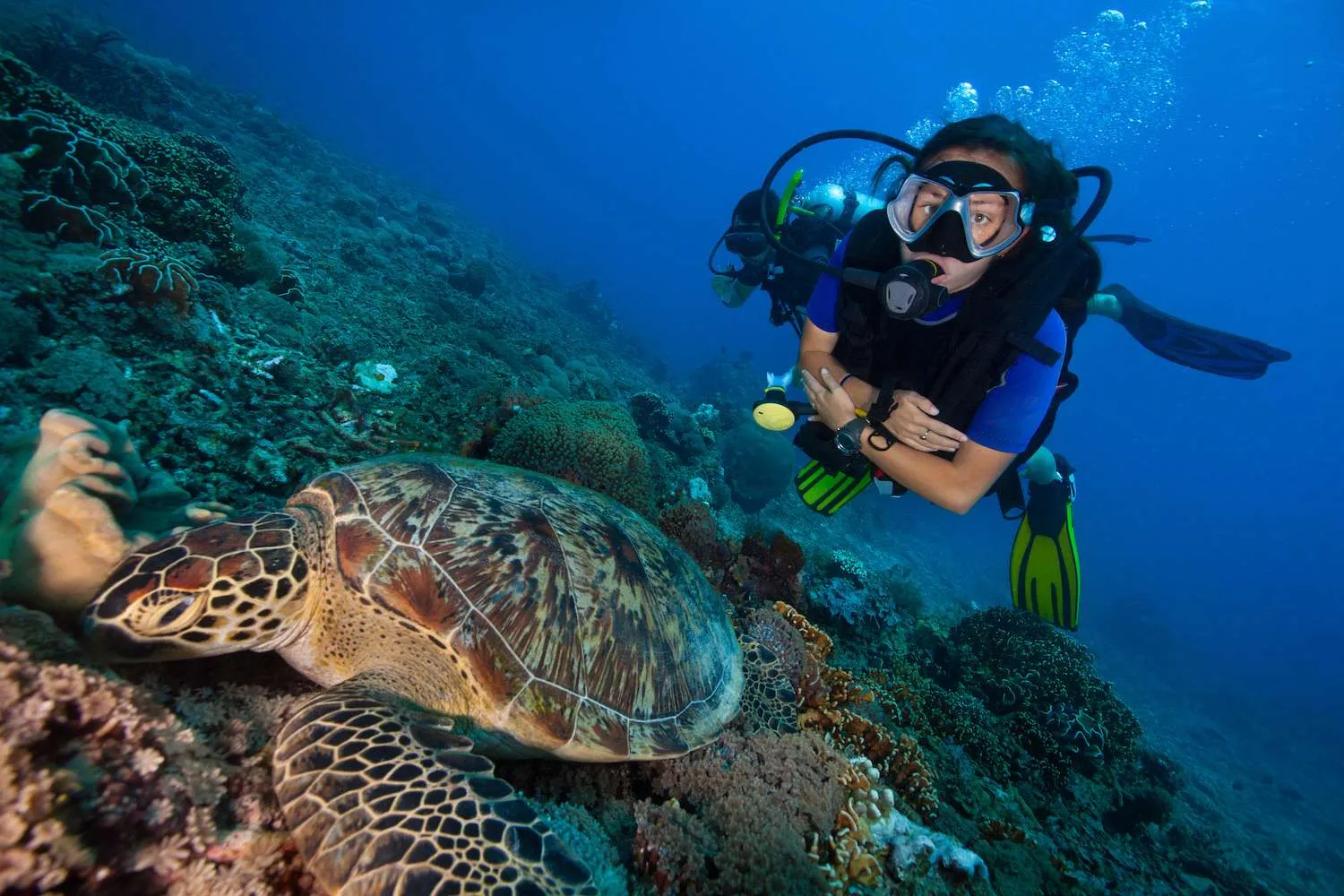
The ocean remains one of Earth's last frontiers, with vast regions still uncharted. From sunlit shallows to the crushing darkness of the Mariana Trench, marine life has evolved astonishing adaptations to survive extreme conditions. These ecosystems are vital to global health, yet face mounting pressures from climate change and human activity.
Adaptations to Darkness and Pressure
Modern expeditions have revealed a thriving community in the abyss. Snailfish in the Mariana Trench withstand immense pressure by developing specialized physiological traits, becoming apex predators in their harsh environment. Carnivorous sponges in the Southern Ocean trap tiny crustaceans in nutrient-poor waters, while giant squids rely on acute senses to hunt in total darkness. Bioluminescence is a common tool—used to communicate, attract prey, or deter predators. Many deep-sea species have also developed non-visual senses to detect vibrations and chemical cues, showcasing nature's ingenuity.
The Vital Role of Plankton
Though microscopic, plankton form the foundation of the marine food web. Phytoplankton perform photosynthesis, producing much of Earth's oxygen and fueling ocean productivity. Zooplankton, including copepods, transfer energy upward, making them key indicators of ecosystem health. Scientists study these tiny organisms under simulated warming and acidification to predict future shifts in marine productivity and global climate patterns.
Coral Reefs: Resilience and Threats
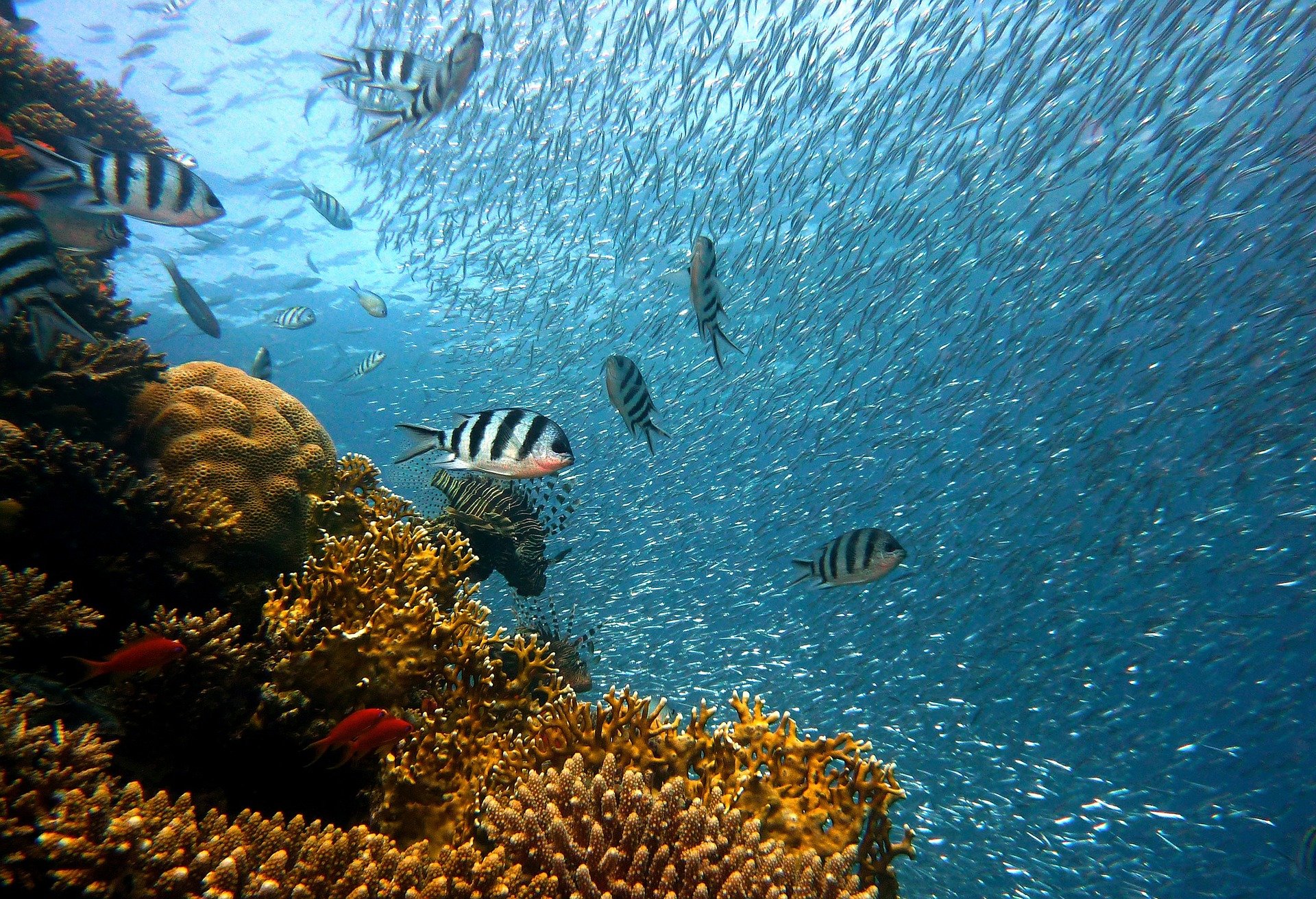
Coral reefs are biodiversity hotspots that provide food, income, and coastal protection for millions. Genetic studies on leatherback turtles across the Indo-Pacific reveal hidden population structures that inform targeted conservation. Corals show remarkable resilience through regeneration—broken fragments can re-anchor and grow, though rates vary. However, ocean acidification threatens calcifying organisms by reducing carbonate ions needed for shell and skeleton formation. This slows coral growth, weakens reef structures, and disrupts the entire ecosystem, from plankton to fish.
Conservation Strategies for a Changing Ocean
Protecting marine environments requires integrated approaches. Marine protected areas (MPAs) can safeguard biodiversity, but they are not immune to chemical changes like acidification. Active restoration of coastal ecosystems—such as seagrass meadows and mangroves—enhances natural defenses and supports biodiversity. Addressing root causes like carbon emissions and pollution is essential. Collaborative efforts involving local communities, governments, and global institutions build both ecological and socioeconomic resilience, ensuring the ocean continues to sustain life for generations.