Exploring the Cosmos: Space Telescopes, Mars Missions, Lunar Bases, and Exoplanet Discoveries
Discover how space telescopes, Mars rovers, lunar bases, and exoplanet research are transforming our view of the universe and bringing new worlds within reach.
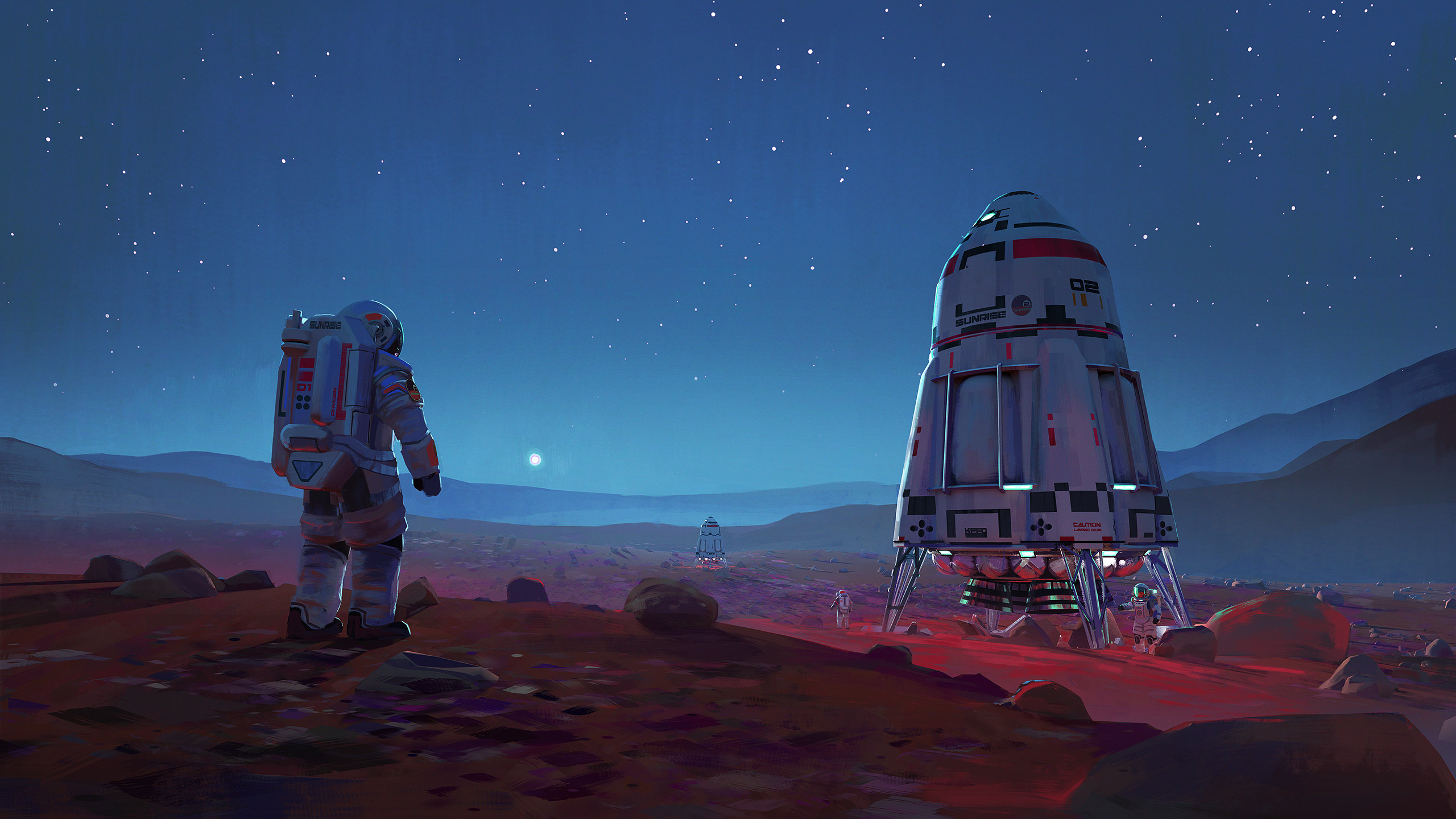
Frontiers of Modern Space Exploration
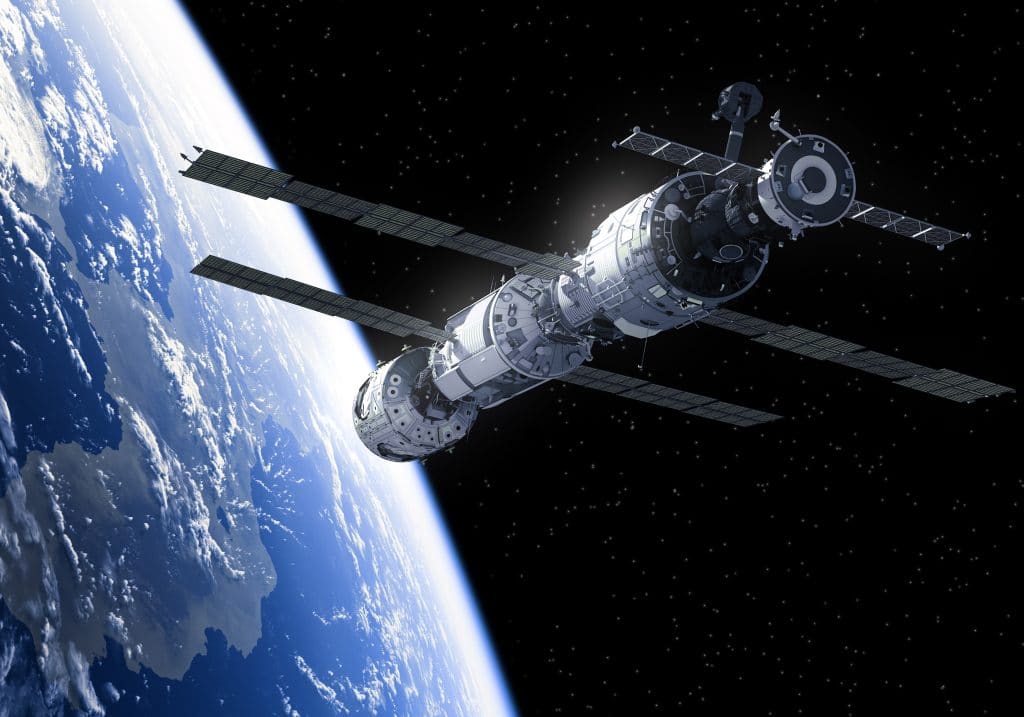
Space exploration has entered an era of unprecedented discovery, driven by advanced telescopes, robotic missions, and international collaboration. From gazing back at the first stars to preparing for human footprints on Mars, today's technologies are reshaping our understanding of the cosmos. This article surveys four key frontiers: space telescopes, Mars exploration, lunar settlement, and exoplanet science, each bringing us closer to answering fundamental questions about our universe.
Space Telescopes: Unlocking Cosmic History
Seeing the Universe's Birth
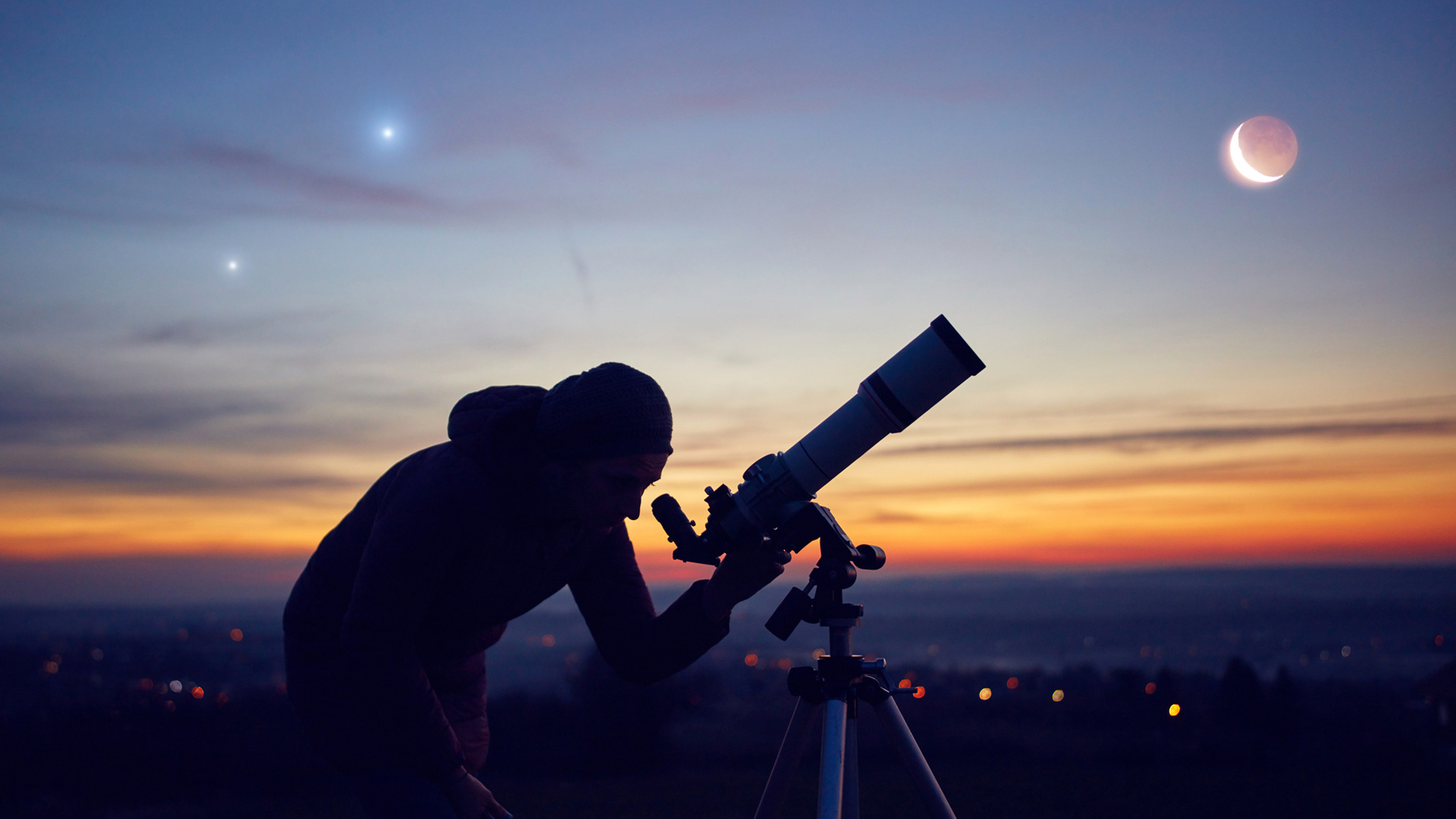
Space telescopes act as time machines, capturing light that has traveled for billions of years. By observing ancient galaxies and faint signals from the early universe, scientists refine models of cosmic evolution and trace how the first stars and galaxies formed. These observations provide crucial data on conditions just after the Big Bang, adding depth to our cosmic origin story.
Probing Exoplanet Atmospheres
With thousands of confirmed exoplanets, telescopes now focus on their atmospheres. By analyzing starlight filtered through or emitted by these atmospheres, researchers detect molecules such as water vapor, methane, and carbon dioxide. This technique has enabled the first 3D atmospheric maps of distant worlds, narrowing down candidates for potentially habitable environments beyond our solar system.
Chasing Dark Matter
Though dark matter remains invisible, its gravitational influence is evident. Space telescopes hunt for high-energy gamma rays that could arise from dark matter interactions. A direct detection would revolutionize physics, shedding light on the unseen mass that dominates the universe's structure and evolution.
Mars: From Past to Future
Unraveling the Red Planet's Climate
Mars once hosted a thicker atmosphere and liquid water, but today it is a cold desert. Missions study how solar wind strips away the atmosphere and analyze ancient rock layers to reconstruct the planet's climate history. Understanding this transformation helps scientists predict Earth's long-term climate fate.
Autonomous Rovers and Human Steps
Modern rovers are smarter than ever, with autonomous navigation and decision-making capabilities. They can traverse rugged terrain, avoid hazards, and select scientific targets without constant ground control. This autonomy maximizes data collection and paves the way for future human exploration, as agencies and private companies develop reusable rockets, life support systems, and sustainable habitats.
Lunar Exploration: A Foundation for Deep Space
Artemis and Commercial Partnerships
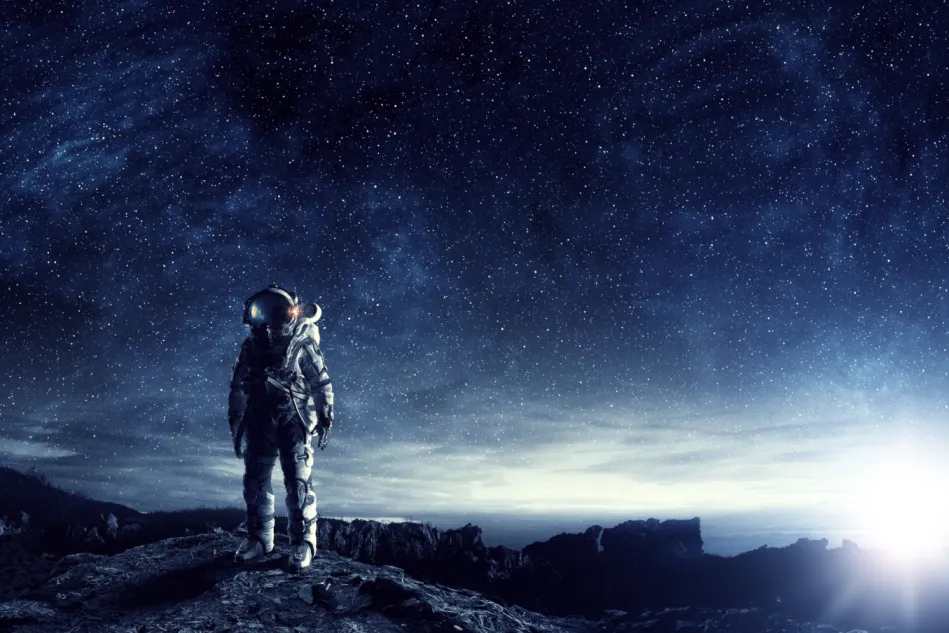
The Artemis program aims to establish a sustainable human presence on the Moon, starting with crewed landings at the south pole. By partnering with private industry and emphasizing reusability, costs are dropping while launch frequency rises. Lunar bases will serve as testbeds for technologies needed for Mars missions, including in-situ resource utilization and radiation protection.
Innovations Driving Exploration
Reusable launch systems, in-orbit refueling, and rapid-turnaround rockets are transforming access to space. Telemedicine, robotic precursors, and autonomous systems are being developed to support long-duration stays. These innovations create a virtuous cycle: each mission reduces risk and cost, enabling more ambitious goals.
Exoplanets: The Search for Other Earths
Detection Methods and Diversity
The transit method (measuring starlight dips) and radial velocity (detecting stellar wobbles) have revealed a staggering variety of exoplanets. Hot Jupiters, super-Earths, and worlds in binary systems challenge our assumptions about planet formation. This diversity hints at the resilience of planetary systems under extreme conditions.
Characterizing Habitable Worlds
Advanced spectroscopy now allows detailed atmospheric characterization. By identifying key molecules and measuring temperature profiles, scientists assess whether a planet could support life. Several promising candidates with atmospheres containing water and methane have been identified, fueling the search for signs of life beyond Earth.
The Path Ahead
From the faintest glimmers of the early universe to the dusty plains of Mars and the icy moons of giant planets, exploration is accelerating. Each new telescope, rover, or probe closes the gap between science fiction and reality. The discoveries of tomorrow will continue to inspire and challenge us, expanding our understanding of the cosmos and our place within it.