Restoring Natural Movement: A Complete Guide to Gait Correction and Neuromuscular Recovery
Learn how gait correction, neuromuscular re-education, and innovative therapies restore pain-free movement for holistic rehabilitation.
How Pain Alters Movement and Disrupts Gait
Pain fundamentally changes the way we walk. When a joint or muscle hurts, the body instinctively adopts protective patterns—limping to offload a sore knee, or shifting weight to avoid a painful step. While these compensations provide short-term relief, they quickly become ingrained habits that stress other joints and lead to new injuries. Effective rehabilitation first manages pain to create a window of opportunity, then uses that window to restore healthy movement. The principle "motion is lotion" holds true: controlled therapeutic exercise maintains joint range of motion, keeps the joint capsule flexible, and nourishes cartilage through synovial fluid circulation.
Gait correction is not just about strengthening weak muscles—it re-establishes the vital connection between strength and coordination. True recovery teaches the body to move efficiently and safely, reducing stress on joints and rebuilding a natural walking pattern. Even subtle adjustments, such as a slight toe-out foot placement, can redistribute pressure away from sensitive areas in the knee. By analyzing each person's unique walking pattern, therapists develop personalized strategies that guide the body toward balanced alignment, alleviating discomfort and preventing further joint damage.
Neuromuscular Re-education: Retraining the Brain-Body Connection
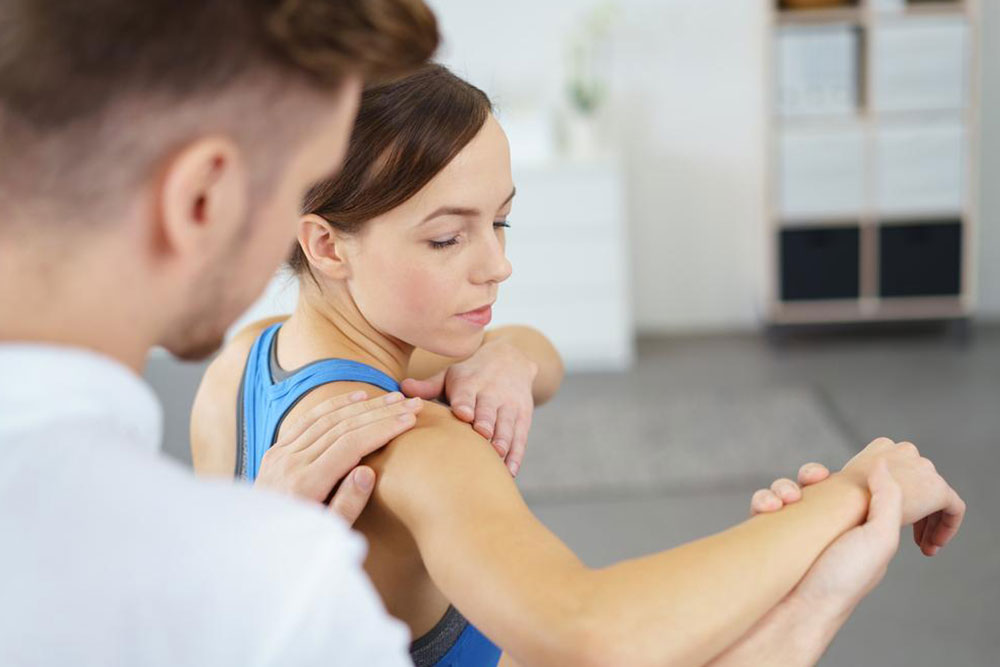
Every movement involves a lightning-fast conversation between the brain and muscles. After injury, compensatory strategies become wired into muscle memory. Simply strengthening muscles is not enough—the brain's software needs updating. Neuromuscular re-education retrains the brain-body connection to restore balance, coordination, and proprioception (the sense of body position in space). This turns conscious effort back into automatic, fluid movement.
The health of small blood vessels (microvasculature) is vital for supplying nerve and muscle tissues with oxygen and nutrients. Rehabilitation strategies increasingly support microvascular health to ensure a sound biological foundation for movement. Blood flow restriction (BFR) training bridges the gap between traditional heavy-load strength training and post-injury limitations. BFR allows significant strength gains using remarkably light loads, preventing muscle loss without overloading sensitive tissues.
Innovative Tools and Creative Therapies for Gait Improvement
A growing range of tools supports better gait. Advanced walking aids with sensors provide real-time feedback, helping individuals become aware of posture and foot placement. These lightweight, ergonomic devices encourage healthier movement patterns during daily activities. Creative methods like theater-inspired activities transform gait practice into engaging dynamic exercises. Participants practice adapting their walk to different scenarios, challenging both body and mind to improve coordination, balance, and confidence in unpredictable real-world environments.
Interactive technologies such as virtual reality platforms and motion-sensing devices bring fresh perspectives to rehabilitation. They provide immediate feedback, allowing patients to adjust movements instantly and foster better control. VR setups visualize movement patterns and offer real-time adjustments, making learning interactive and enjoyable. Disciplines like dance and tai chi integrate fluid motion with mindfulness, enhancing body awareness and balance while synchronizing neural pathways in a relaxed atmosphere.
Mobility and Functional Strength for Real-World Demands
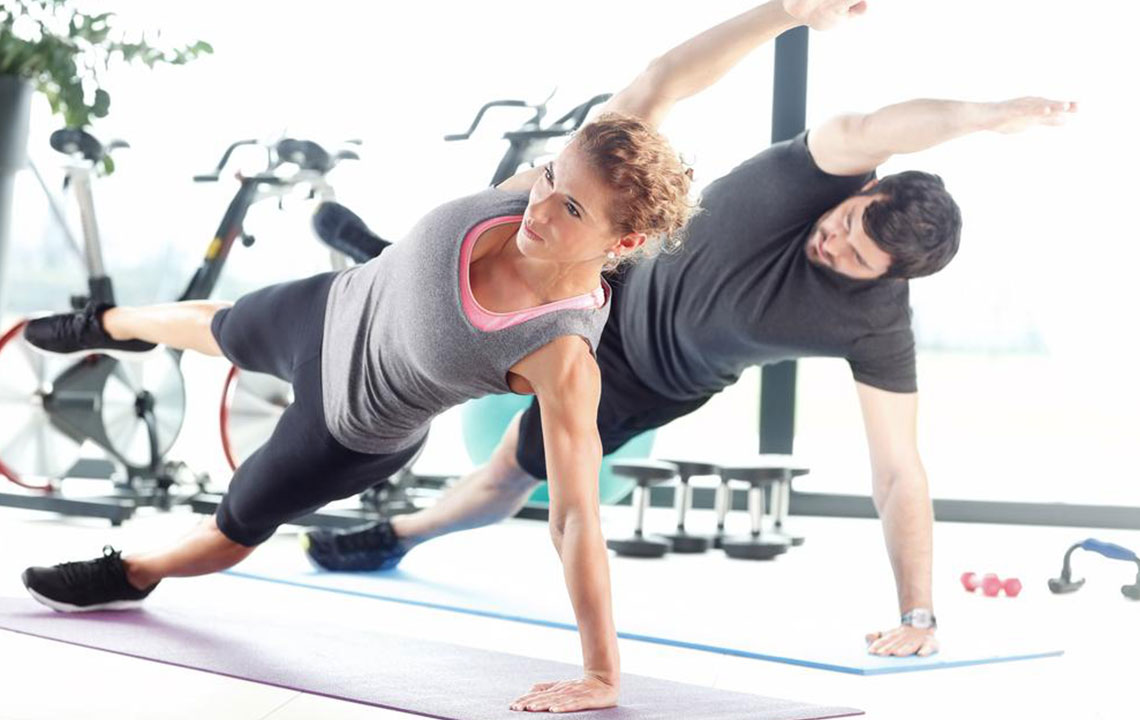
Once acute pain is controlled and foundational strength established, recovery shifts to preparing the body for everyday life. Mobility means active control over a joint's full range of motion. Functional strength is the ability to use that mobility for tasks like lifting, reaching, and playing safely and efficiently. True recovery happens when these elements work in harmony, creating a resilient body. Early therapy often isolates specific muscles, but real-world movements involve multiple joints and muscles working together. Compound movements like squats, lunges, and overhead presses train the body as an integrated system.
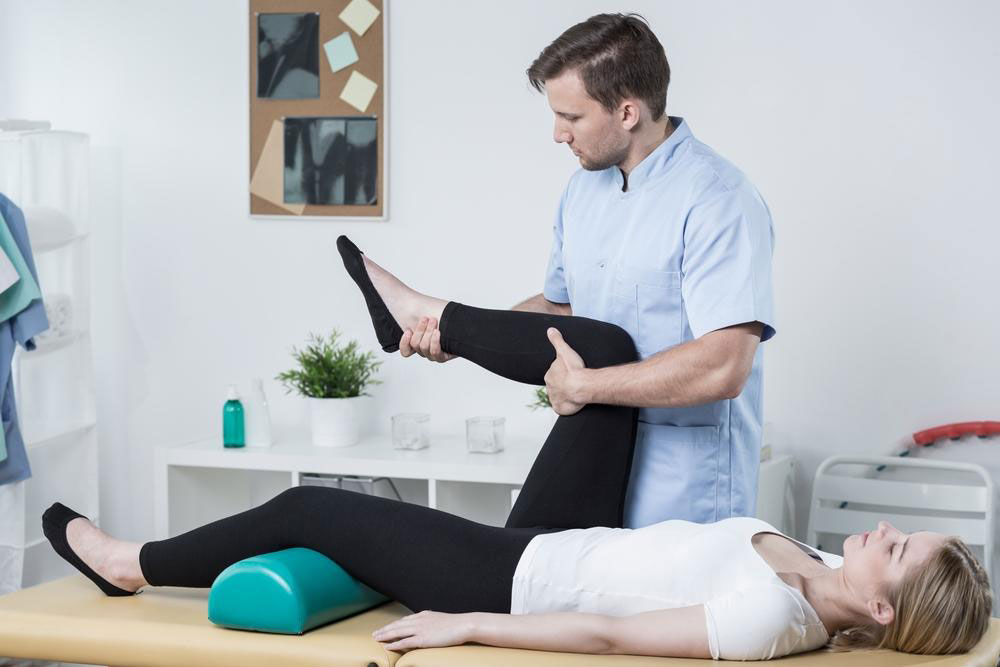
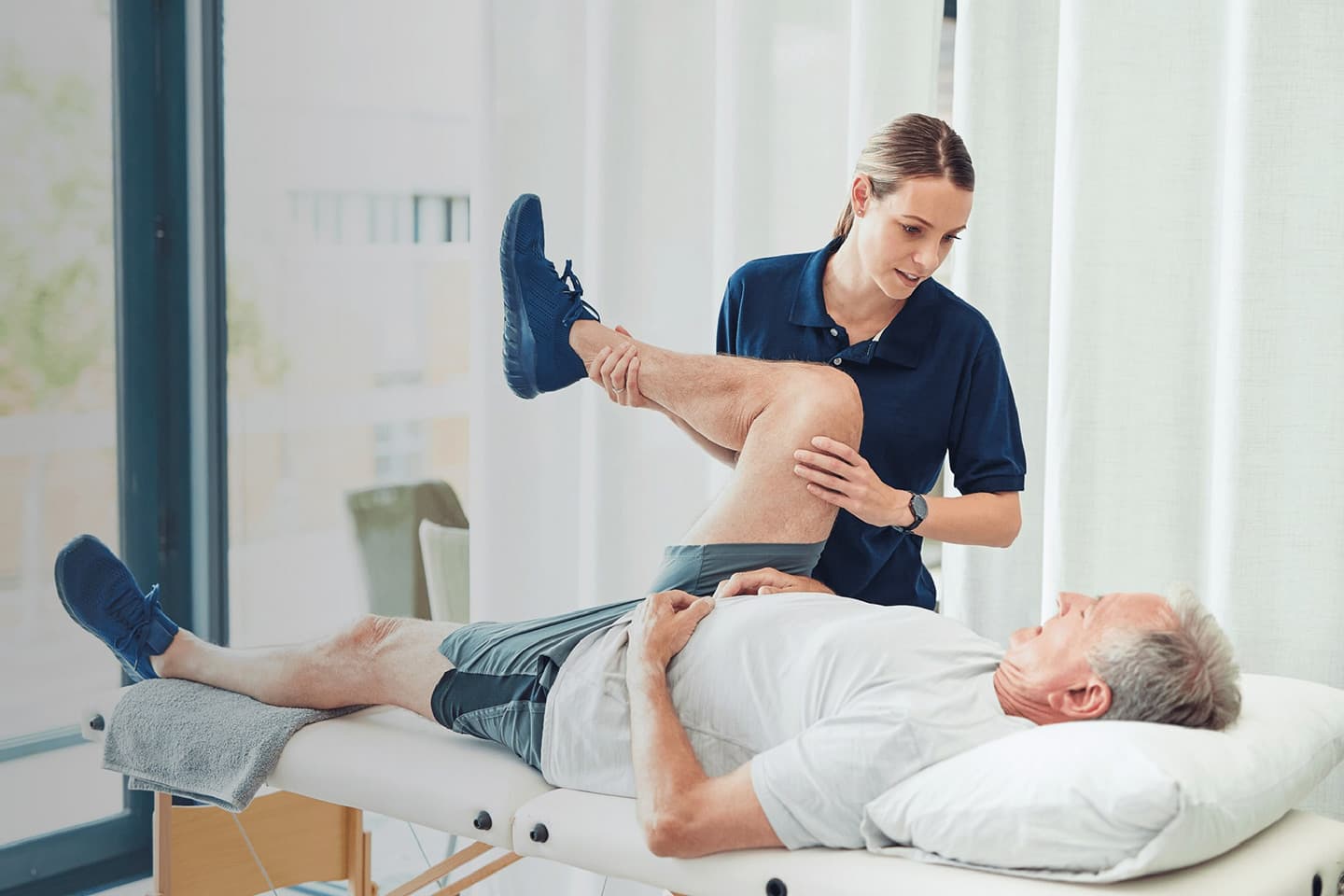
Passive stretching provides temporary relief, but active mobility is more effective. By using muscular strength to guide a joint through its range of motion, you train the nervous system to recognize and control that range. It is the difference between having someone lift your leg versus lifting it yourself—building both flexibility and control. Walking is a fundamental movement easily disrupted by injuries to the foot, ankle, knee, hip, or back. An altered gait creates asymmetrical forces that travel up the body, potentially causing secondary problems in other joints. Gait analysis and correction are critical applications of neuromuscular re-education.
Frequently Asked Questions
What is Motor Relearning and how does it contribute to rehabilitation? Motor Relearning involves retraining the brain and muscles to perform movements lost due to injury or neurological conditions. This process helps patients regain movement control, improves coordination, and facilitates recovery of motor skills essential for daily activities.
How can Joint Mobility exercises aid in pain reduction? Joint Mobility exercises maintain and improve range of motion, significantly reducing stiffness and discomfort. By keeping joints flexible, they alleviate pressure on surrounding tissues, reducing pain and preventing further injury.
What techniques are used in Gait Correction and why is it important? Gait Correction uses balance training, strengthening exercises, and sometimes orthotic devices. Correcting gait enhances movement efficiency, reduces fall risk, and minimizes strain on other body parts, preventing long-term musculoskeletal issues.
How does Functional Strength training differ from traditional strength training? Functional Strength training mimics everyday activities and improves strength for daily tasks. Unlike traditional training that isolates specific muscles, functional training works multiple muscle groups simultaneously, enhancing overall stability, coordination, and endurance.
What role does Neuromuscular Recovery play in the rehabilitation process? Neuromuscular Recovery re-establishes communication pathways between the nervous system and muscles. This restores muscle function, improves movement patterns, and reduces compensatory behaviors that may lead to additional injuries—essential for full post-injury recovery.