Modern Pain Management: Conservative Methods, High-Tech Solutions, and Personalized Care
Explore non-invasive therapies, advanced technologies like neuromodulation, and individualized plans for effective pain relief tailored to each patient.
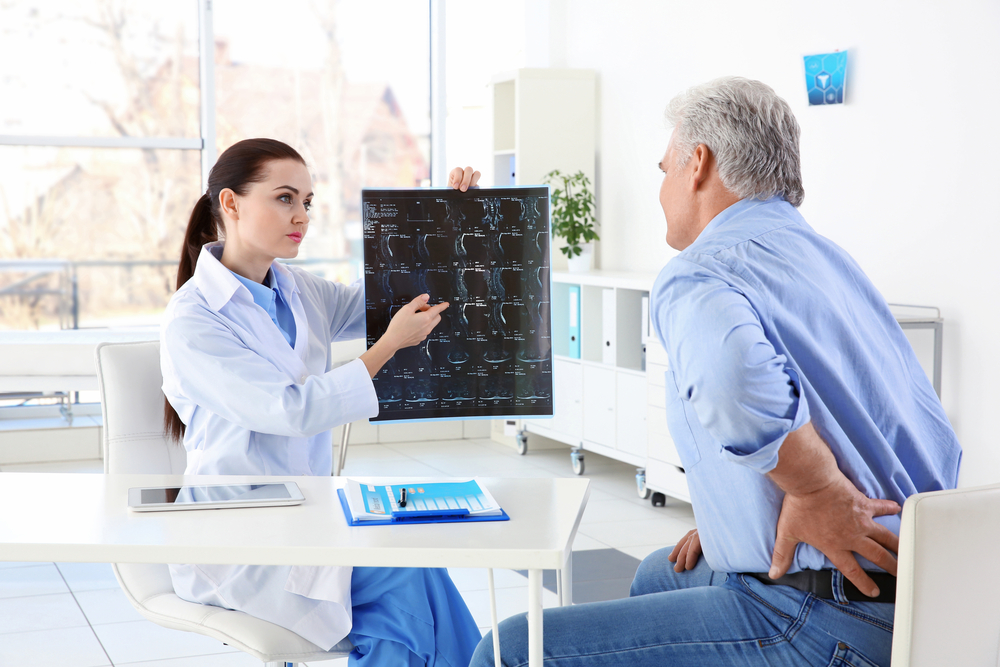
Comprehensive Pain Management: From Conservative Care to Cutting-Edge Innovation
Pain management today integrates non-invasive strategies, breakthrough technologies, and highly individualized treatment plans. This article explores each pillar, helping patients and clinicians understand the full range of options available for reducing pain and restoring function.
Conservative Pain Management Strategies
Conservative care relies on non-invasive methods to alleviate pain and improve daily function. These approaches are often the first line of defense and can be highly effective when tailored to the individual.
Exercise Programs
Customized exercise regimens enhance strength, flexibility, and endurance, lowering pain and improving function. Low-impact activities like swimming, walking, and cycling are especially recommended for chronic pain conditions.
Physical and Occupational Therapy
Physical therapy (PT) uses exercises, manual therapy, and modalities such as ultrasound or electrical stimulation to restore movement. Occupational therapy (OT) adapts environments and routines to allow pain-free performance of daily tasks.
Lifestyle and Diet Modifications
An anti-inflammatory diet rich in fruits, vegetables, and omega-3 fatty acids reduces inflammation and pain. Prioritizing sleep hygiene and stress management through meditation or deep breathing further supports pain control.
Mind-Body Techniques
Practices like yoga, tai chi, and mindfulness meditation combine physical postures, breathwork, and focused awareness to promote relaxation and lower pain perception. They also reduce the emotional burden of chronic pain.
Weight Management
Excess weight places added stress on weight-bearing joints and increases inflammation. Weight loss through diet and exercise can substantially reduce pain and improve mobility.
Technological Advancements in Pain Treatment
New technologies are reshaping pain management, enabling targeted relief with fewer side effects and shorter recoveries.
Advanced Drug Delivery Systems
Targeted injections and transdermal patches deliver medication directly to the pain source, minimizing systemic side effects. For example, liposomal bupivacaine provides extended post-surgical relief with a single injection.
Neuromodulation
Spinal cord stimulation (SCS) and peripheral nerve stimulation (PNS) use electrical impulses to alter nerve activity and block pain signals, particularly effective for neuropathic pain.
Minimally Invasive Procedures
Radiofrequency ablation (RFA) uses heat to destroy pain-transmitting nerve tissue. Vertebroplasty and kyphoplasty stabilize vertebral fractures, reducing pain and improving mobility.
Gene Therapy
Still in early stages, gene therapy aims to modify pain-signaling genes, potentially offering lasting relief for conditions like diabetic neuropathy that resist conventional treatments.
Virtual Reality
VR immerses patients in interactive environments to distract from pain and anxiety during procedures or for chronic pain management.
| Pain Treatment Technology | Description |
|---|---|
| Targeted Injections | Deliver medication directly to the pain source, minimizing systemic side effects. |
| Spinal Cord Stimulation | Uses electrical impulses to disrupt pain signals in the spinal cord. |
| Radiofrequency Ablation | Uses heat to destroy nerve tissue transmitting pain signals. |
| Virtual Reality | Provides distraction and immersion to reduce pain perception. |
Data source: Research and Markets, 2024.
Personalized Care in Pain Management
Personalized care recognizes that each patient’s pain journey is unique. By tailoring treatment to individual biology, psychology, and lifestyle, outcomes improve significantly.
Understanding Individual Variability
Genetics, psychological state, lifestyle, and coexisting conditions all influence pain perception and treatment response. A comprehensive assessment forms the foundation of personalized care.
Tailored Treatment Plans
Plans combine medications, physical therapy, psychological support, and lifestyle changes based on a patient’s profile, aiming for maximum efficacy and tolerability.
Shared Decision-Making
Patients actively collaborate with providers to set goals, discuss options, and monitor progress, enhancing engagement and adherence.
Use of Advanced Technologies
Genetic testing predicts medication responses, while wearable sensors track activity and pain patterns, enabling real-time treatment adjustments.
Addressing Psychological Factors
Anxiety, depression, and stress can amplify pain. Integrating cognitive-behavioral therapy (CBT) and mindfulness into the plan helps manage these influences.
Monitoring and Adjusting Treatment
Ongoing evaluation of effectiveness and side effects allows iterative refinement, keeping treatment optimized over time.
| Factor | Impact on Pain Management |
|---|---|
| Genetics | Influences pain sensitivity and drug metabolism |
| Psychological State | Affects pain perception and coping mechanisms |
| Lifestyle | Impacts pain through activity levels and habits |
Data source: National Institutes of Health, 2024.
Q&A: Common Questions About Pain Management
Question 1: How does the gate control theory explain pain modulation, and what are some practical applications?
Answer: The gate control theory proposes that a 'gate' in the spinal cord regulates pain signals to the brain. Non-painful stimuli (touch, vibration) activate large-diameter nerve fibers, 'closing the gate' and reducing pain perception. This explains why massage or acupuncture can relieve pain.
Question 2: What are examples of advanced drug delivery systems and minimally invasive procedures used today?
Answer: Advanced drug delivery includes targeted injections (e.g., liposomal bupivacaine for extended post-surgical relief) and transdermal patches. Minimally invasive procedures like radiofrequency ablation and vertebroplasty/kyphoplasty offer targeted relief with shorter recovery.
Question 3: What role do lifestyle modifications and mind-body techniques play in conservative pain management?
Answer: Lifestyle changes—anti-inflammatory diets, good sleep hygiene, stress management—and mind-body practices such as yoga, tai chi, and mindfulness meditation are integral to conservative care. They promote relaxation and reduce pain perception by integrating mental and physical well-being.