Complete Senior Living Guide: Care Levels, Costs, Safety & Innovations
Explore independent vs assisted living, memory care, safety features, costs, and innovations to find the right senior community.

Choosing the right senior living community involves evaluating care options, safety features, costs, and modern innovations. This guide covers everything from independent living to memory care, budget-friendly solutions, and emerging trends that enhance quality of life.
Understanding Care Options: Independent, Assisted, and Memory Care
Independent Living
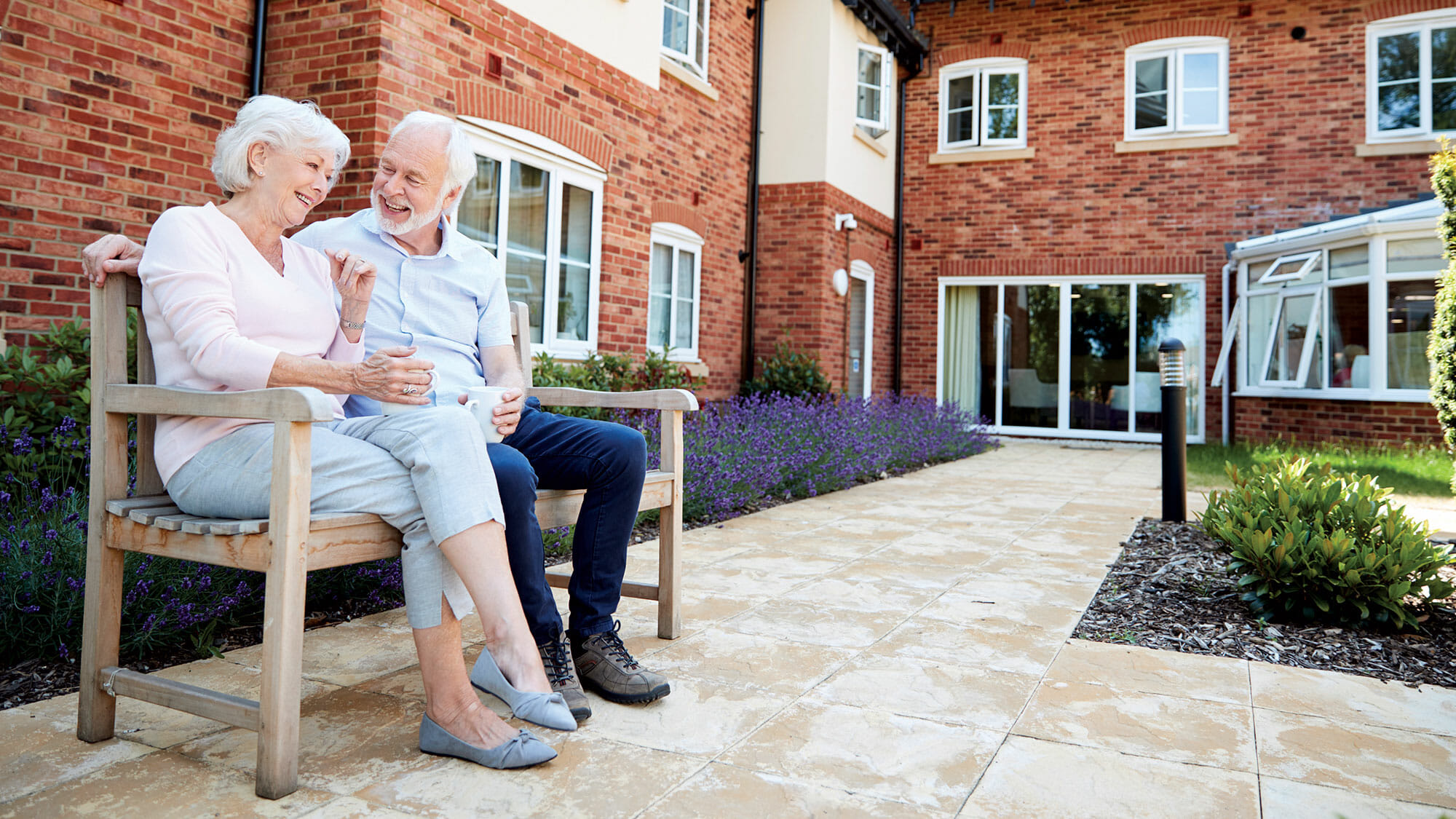
Designed for active seniors who want to eliminate home maintenance like lawn care and snow removal. Residents enjoy full autonomy, social calendars, and amenities such as gyms and clubhouses. No medical assistance is provided.
Assisted Living
Ideal for those needing help with daily tasks like dressing, bathing, or medication management while preserving independence. Support is moderate and personalized to individual needs.
Memory Care and Board and Care Homes
Memory Care units offer secure, structured environments for individuals with cognitive decline. Board and Care Homes provide similar support in a smaller, home-like setting. Programs like PACE allow seniors to receive all-inclusive care while aging in place.
Key Safety and Age-Friendly Design Features
Prioritize physical safety with step-free entryways, wheelchair ramps, walk-in showers with grab bars, non-slip flooring, and enhanced lighting. These features prevent falls and maintain independence. Many communities also adopt smart home technologies like fall-detection sensors and wearable monitors.
Cost Considerations and Budget-Friendly Solutions
Costs vary by room type (private vs. semi-private) and care level. Private rooms command a premium, while shared spaces offer savings. Annual expenses often exceed median household income, making financial planning crucial. Budget-friendly alternatives include senior apartments, shared housing, HUD Section 202 housing (capped rent), and relocating to lower-cost states like Mississippi or Alabama. Tax deductions for medical expenses may also help.
Innovations Shaping Senior Living
New approaches emphasize person-centered design. The Green House Project creates home-like environments for a few residents, fostering family atmosphere. Smart technologies like AI analytics, telehealth, and hybrid virtual tours improve care and accessibility while addressing workforce shortages. These innovations make senior living more adaptable and affordable.
Common Myths and Frequently Asked Questions
Myth: There is a single standard price. Costs are tied to contract type. Continuing Care Retirement Communities (CCRCs) often require entrance fees that guarantee future healthcare, potentially saving money long-term. Simple rental models are also available.
Q: What factors should I prioritize when choosing a community?
A: Focus on safety features, lifestyle amenities, and financial fit. Step-free design, grab bars, and non-slip surfaces are essential. Look at social programs and pet policies.
Q: How do I decide between independent and assisted living?
A: Independent living suits those needing no medical help and wanting freedom from home chores. Assisted living provides daily task support while maintaining independence. Consider future needs.
Q: Are there affordable options for seniors on fixed incomes?
A: Yes. Government-subsidized housing, shared housing, and relocating to lower-cost areas can help. Many communities offer income-based pricing.
Q: What challenges does the senior living industry face?
A: Supply struggles to meet demand, with occupancy near 90% but low new construction. Affordability remains a barrier, prompting operators to renovate existing properties and adopt technology for efficiency.