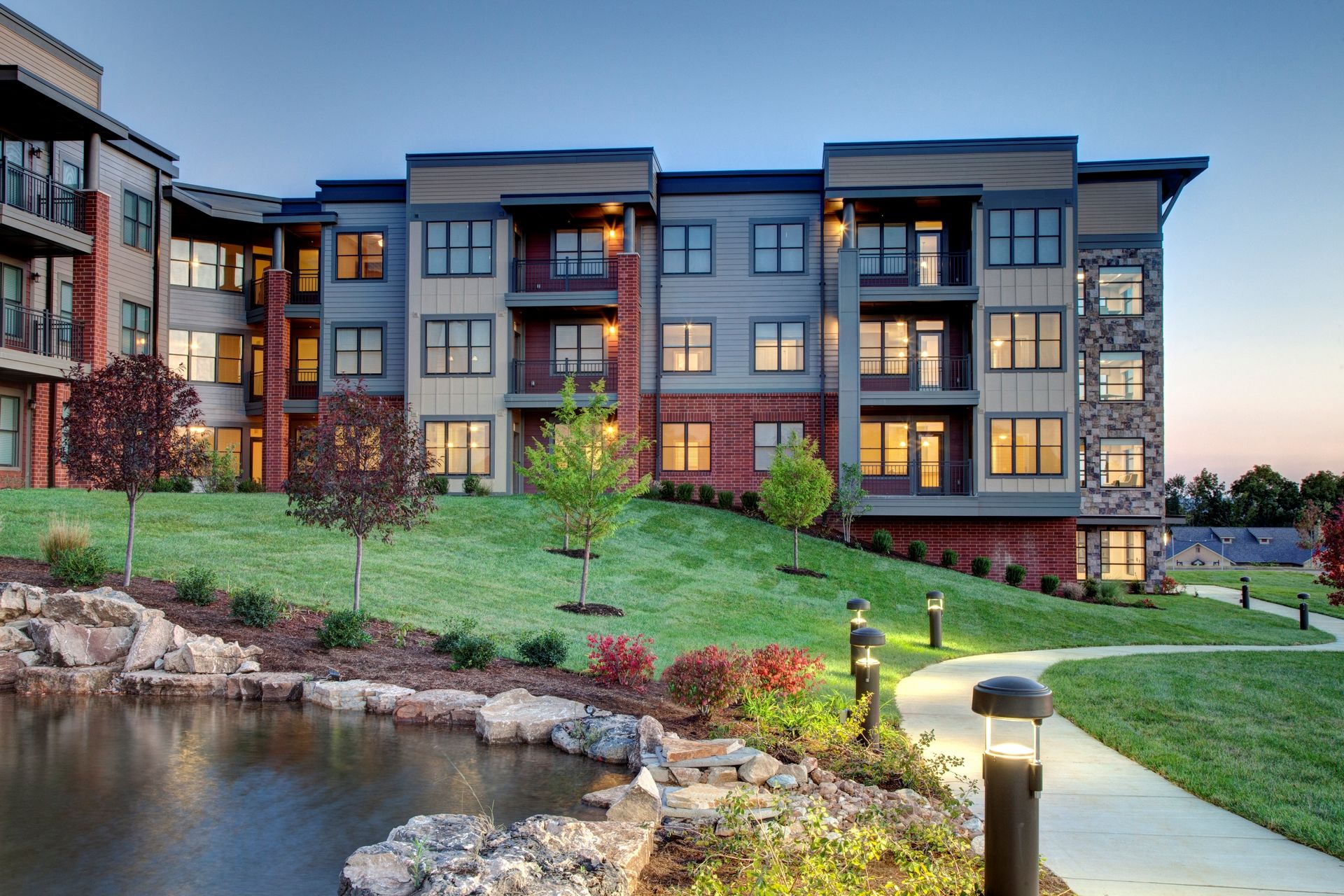
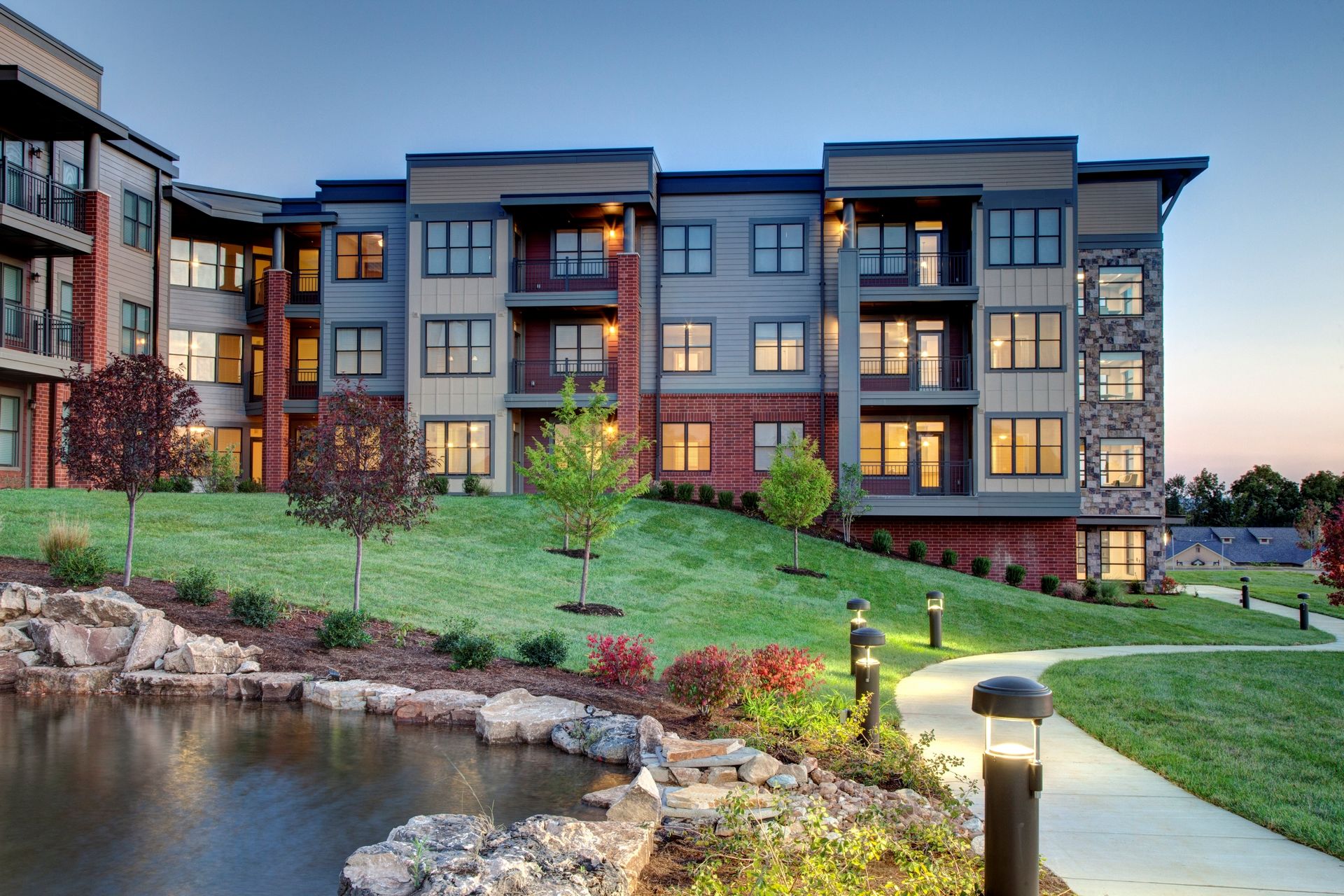
Senior Apartments: Types, Costs, and How to Choose the Right Option
Explore types, costs, and key factors of senior apartments. Compare independent living, assisted living, memory care, and more.
Introduction to Senior Apartments
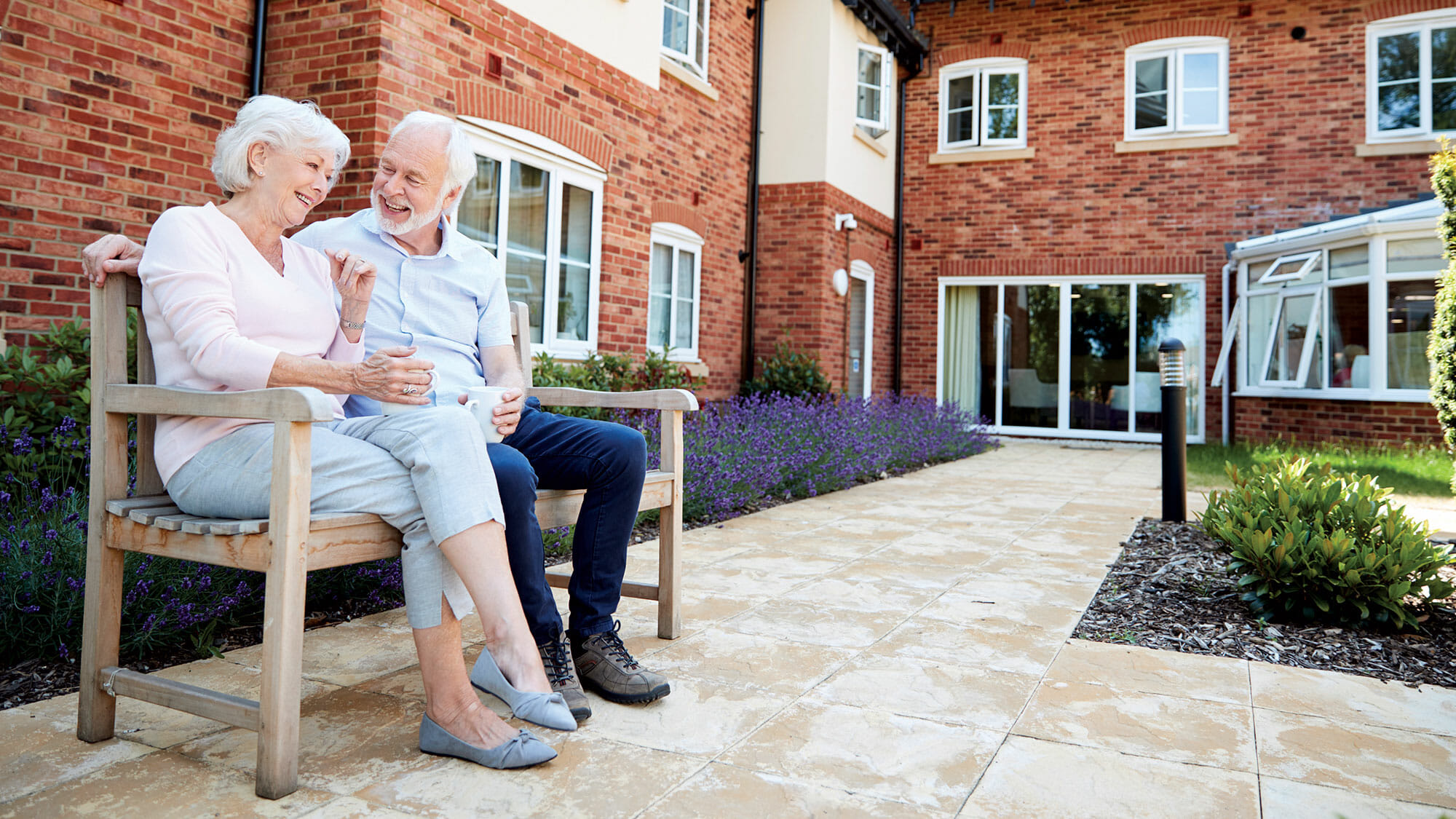
Senior apartments are residential communities designed for adults aged 55 and older. They combine housing with amenities and services that promote an active, engaged lifestyle. Whether you seek independence or require daily assistance, these communities offer tailored options to suit your needs.
Types of Senior Apartments
Independent Living
Ideal for self-sufficient seniors, independent living communities provide fitness centers, social clubs, art classes, and scheduled outings. Residents manage their own daily routines but enjoy a built-in social network and convenient amenities.
Assisted Living
For seniors who need help with activities of daily living—such as bathing, dressing, or medication management—assisted living offers 24/7 trained staff while encouraging as much independence as possible.
Memory Care
Specialized communities for individuals with Alzheimer’s or other dementias. These secure environments feature staff trained in dementia care and cognitive stimulation activities like reminiscence therapy.
Key Factors When Choosing a Senior Apartment
Location
Proximity to healthcare, pharmacies, grocery stores, and recreational areas is essential. Also consider crime rates, public transportation, and senior-friendly services in the area.
Services and Amenities
Common offerings include housekeeping, meal plans, wellness programs, educational classes, and transportation. Evaluate which amenities align with your personal needs and priorities.
Cost
Costs vary widely. Independent living averages $3,500–$4,500 per month; assisted living $4,500–$6,000; memory care $6,000–$8,000. Always check what’s included and watch for extra fees for additional care or services.
Community Atmosphere
Visit communities, meet residents and staff, and observe daily life. A welcoming, inclusive environment with friendly interactions greatly impacts resident happiness.
Comparing Senior Apartments to Other Options
Senior Apartments vs. Staying at Home
Staying home offers familiarity but may bring isolation, maintenance burdens, and lack of support. Senior apartments provide community, services, and safety, though often at a higher cost.
Senior Apartments vs. Nursing Homes
Nursing homes provide 24/7 medical care for those with serious health needs but at a higher cost. Senior apartments focus on residential living with daily support, offering more independence and a homelike environment.
Frequently Asked Questions
What is the difference between independent living and assisted living?
Independent living is for self-sufficient seniors who enjoy amenities and social activities. Assisted living offers help with daily tasks while promoting autonomy.
How can I find senior independent living near me?
Use online senior living directories, ask for referrals from family or healthcare providers, and contact local senior housing agencies for personalized assistance.
Are low-rent senior apartments always a good deal?
Not necessarily. Low rent may mean fewer services or hidden fees. Always compare total value including included amenities and potential extra costs.