Laser Skin Rejuvenation: Science, Prep, Aftercare & Clinic Selection
Discover how laser resurfacing and other technologies boost collagen, reduce wrinkles and scars. Learn pre-treatment steps, aftercare, and how to choose a safe clinic.
Laser treatments are a powerful tool for skin rejuvenation, targeting wrinkles, scars, pigmentation, and signs of aging by stimulating collagen production. Understanding the science, proper preparation, aftercare, and how to choose a reputable clinic ensures safe and effective results. This guide covers everything from different laser technologies to long-term maintenance.
How Laser Resurfacing Works
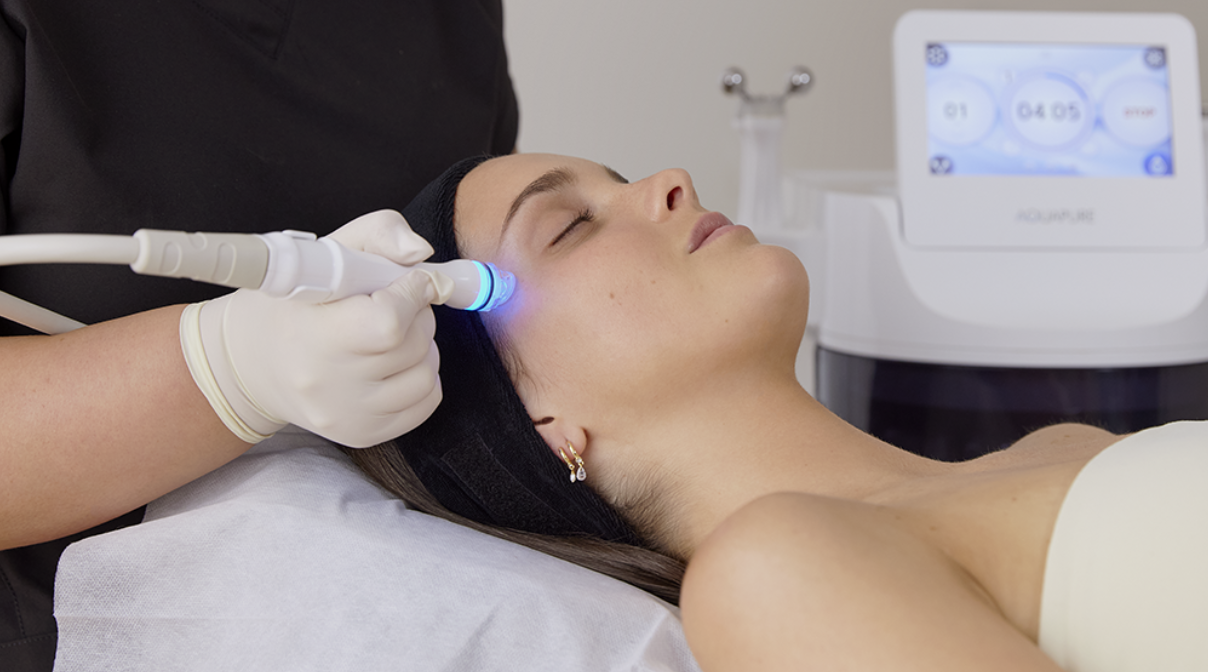
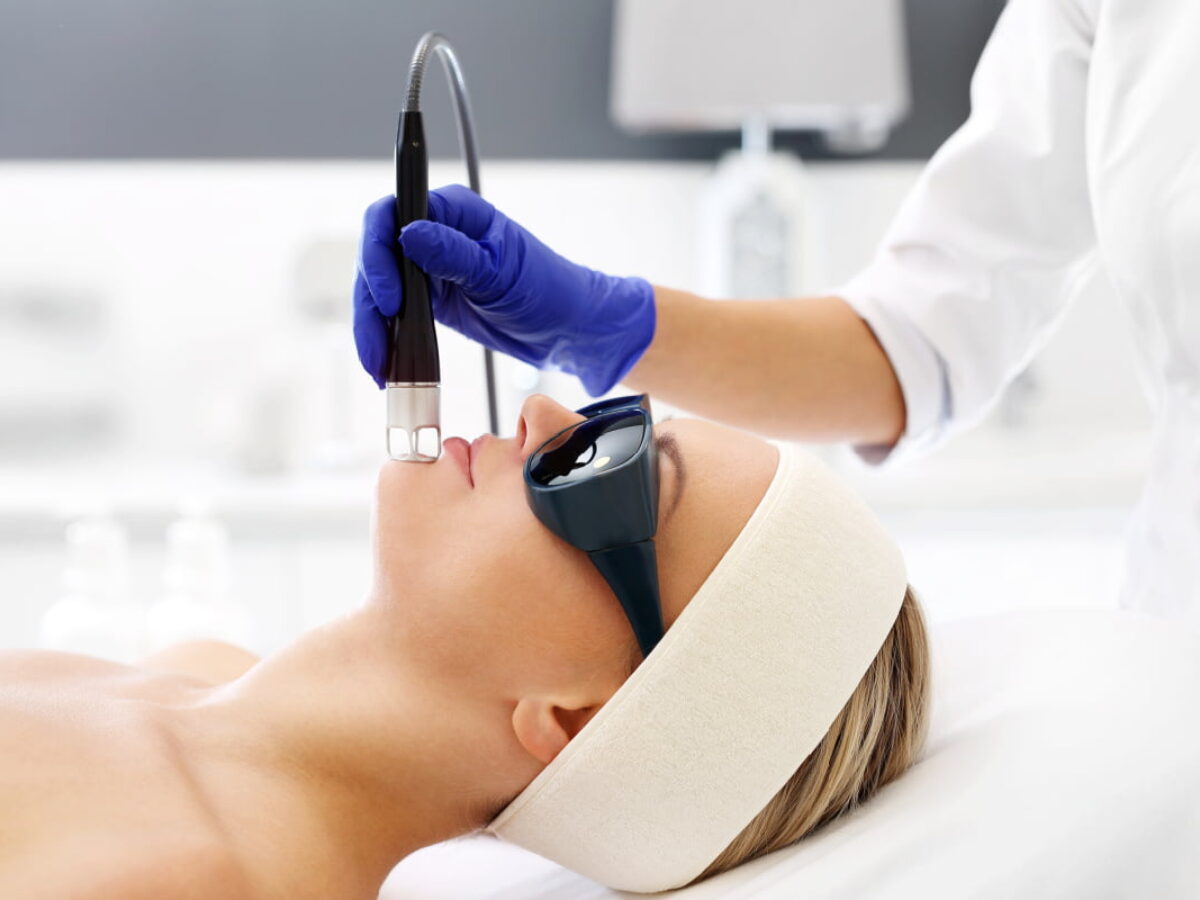
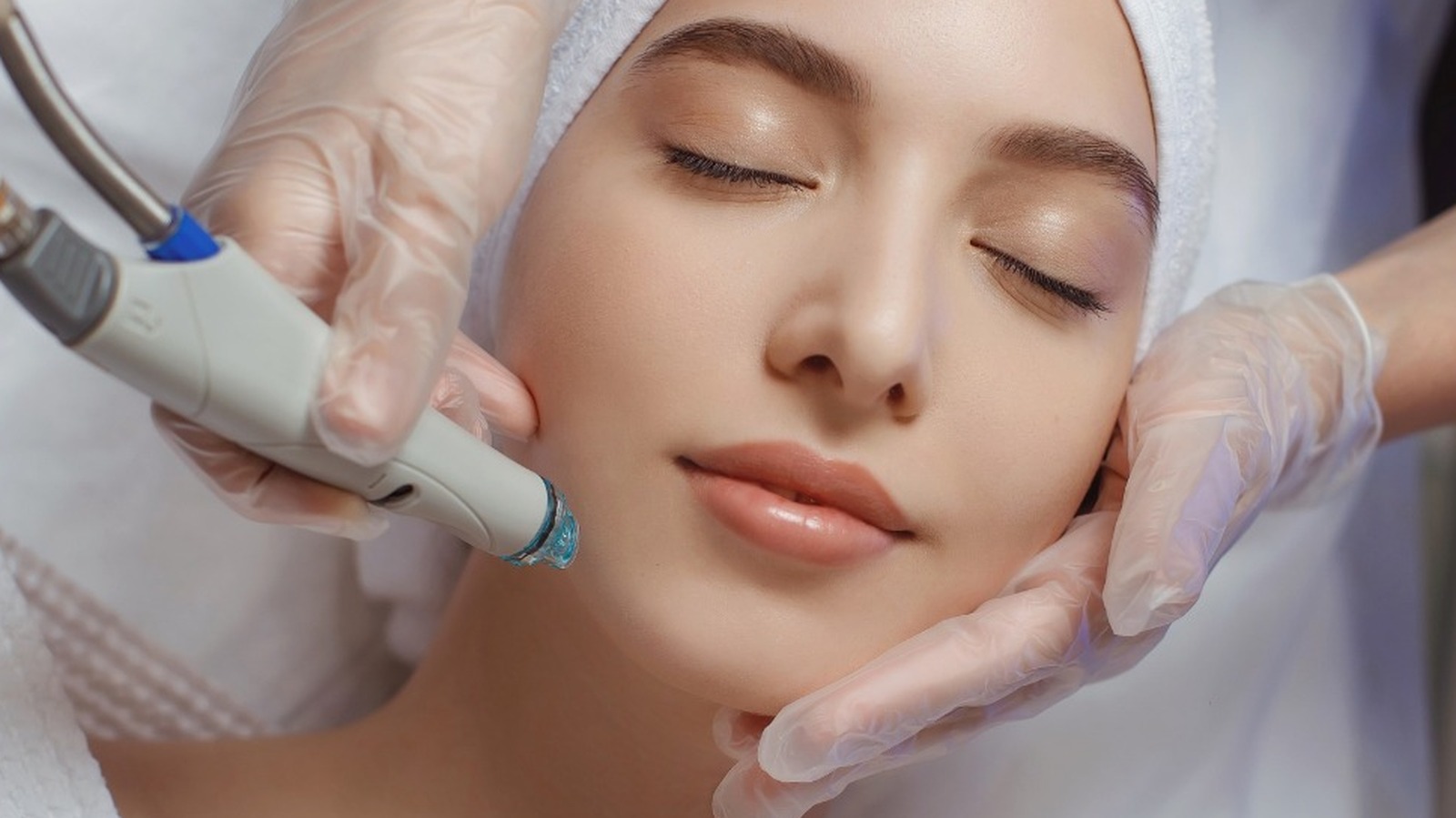
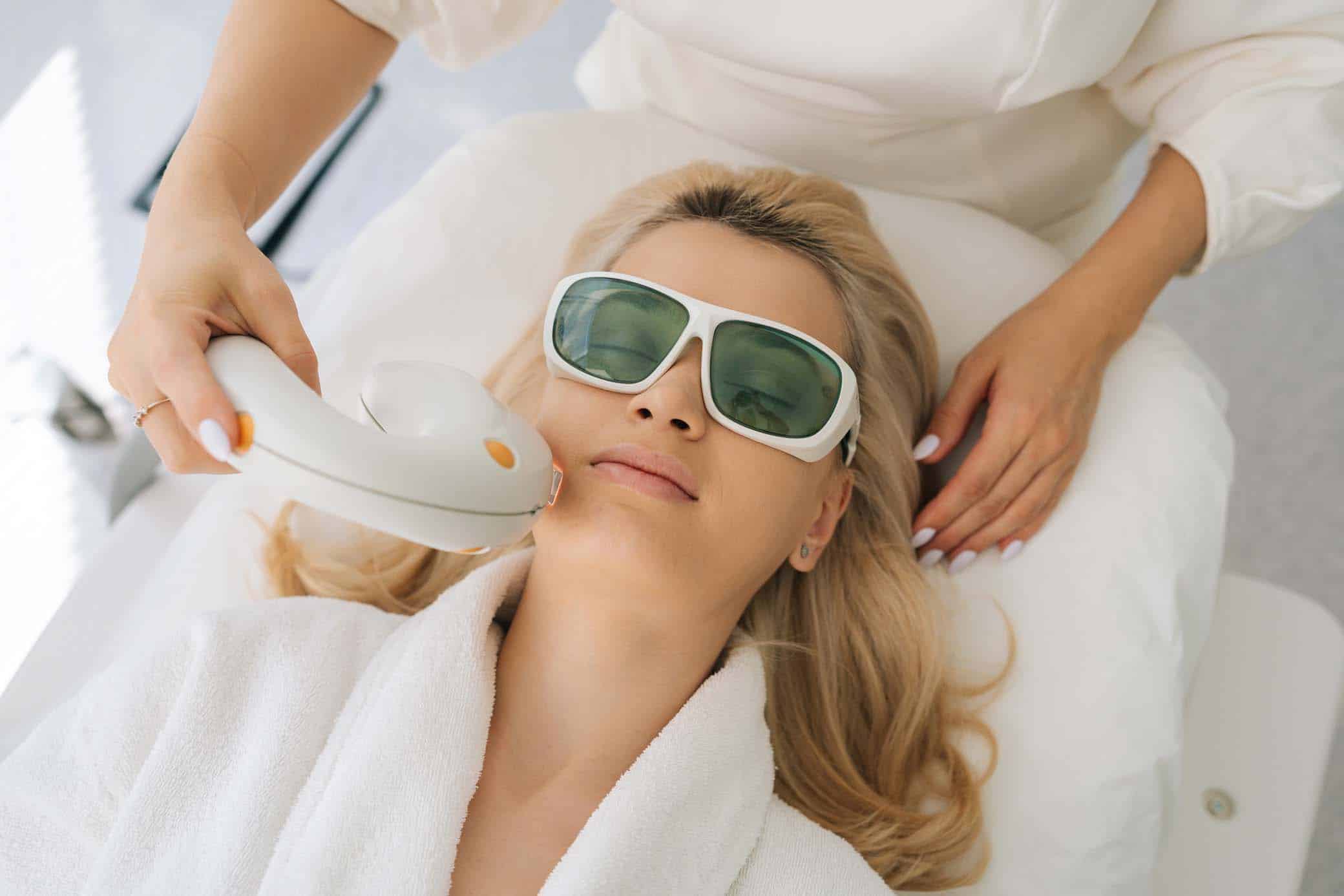
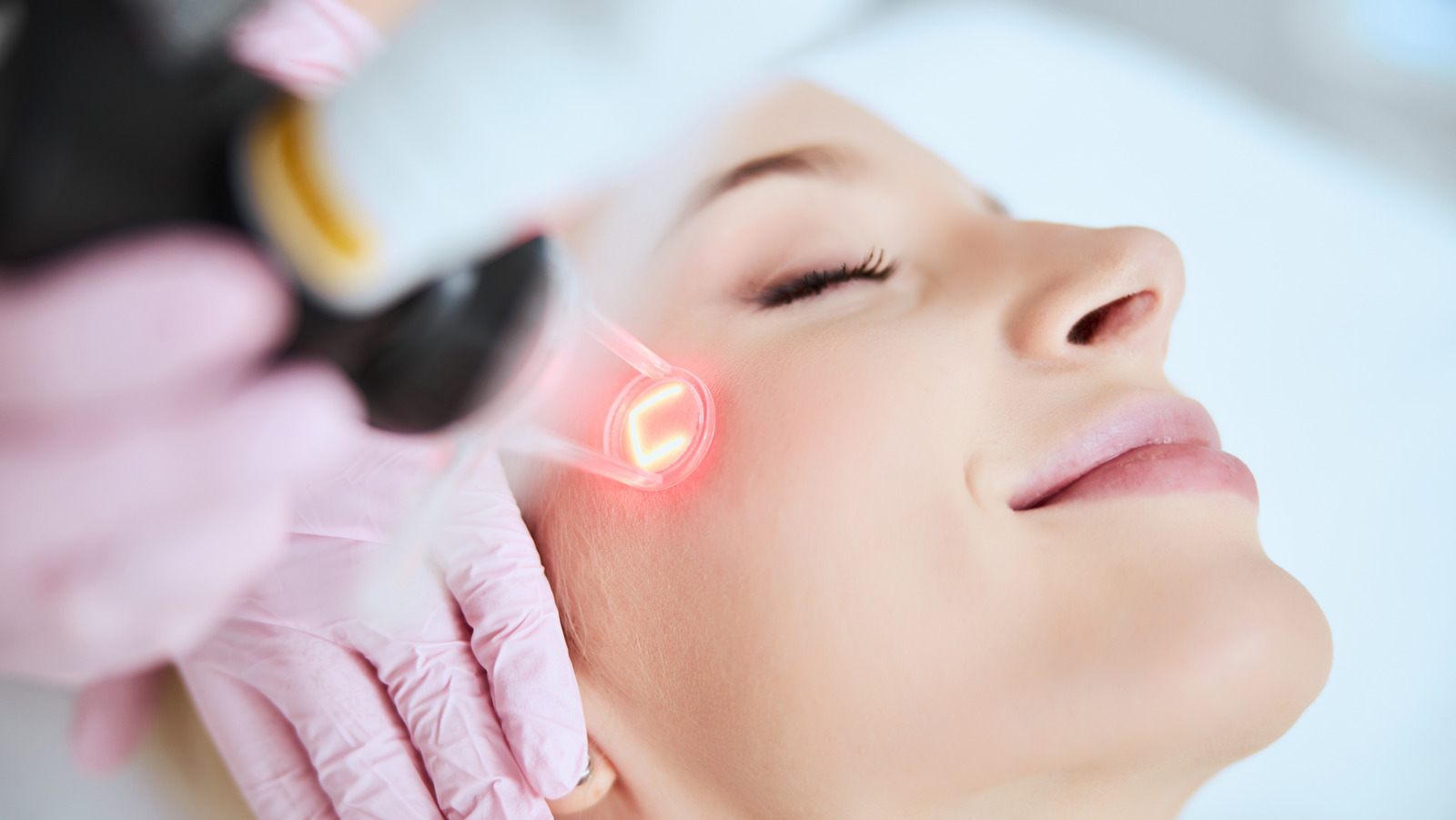
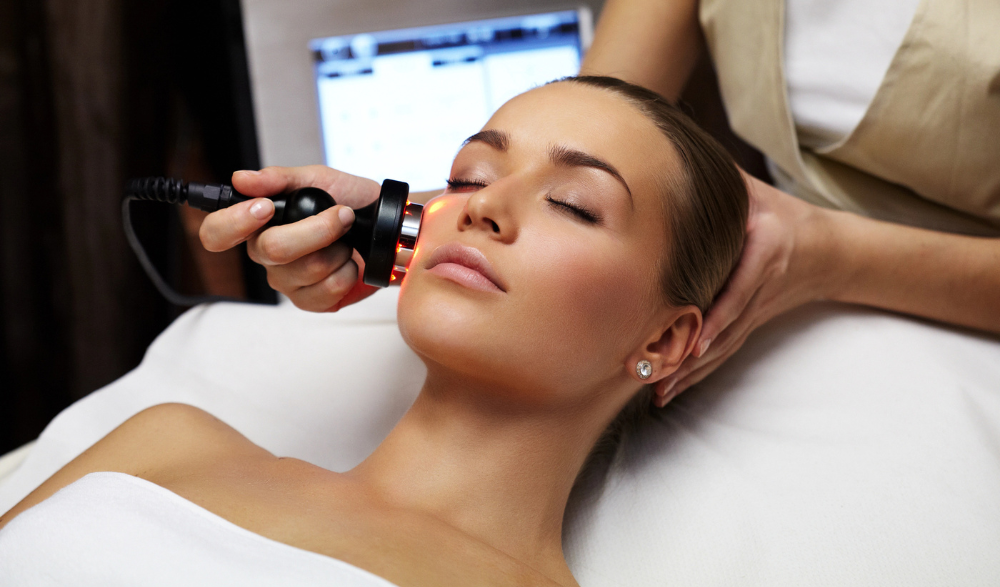
Laser resurfacing removes thin layers of skin to trigger the body's natural healing response, boosting collagen and elastin. Different lasers target specific concerns: CO₂ fractional lasers treat deep acne scars and pigmentation with 7–14 days downtime, while gentler options like Clear and Brilliant address early aging with minimal recovery. Other technologies like RF microneedling and HIFU provide skin tightening and scar improvement with shorter downtime.
Matching the Right Laser to Your Goals
Choosing a laser depends on your skin type, primary concern, and tolerance for downtime. A professional consultation helps match your needs to the appropriate technology. Combining laser with microneedling or PRP can enhance collagen stimulation and overall results. Always discuss expected outcomes and recovery timeline with a qualified provider.
How to Select a Trustworthy Clinic
Safety starts with clinic credentials. Verify licensing, physician oversight, and practitioner training. Look for board certifications and experience with your chosen laser. Online reviews reveal patterns in patient satisfaction, professionalism, and cleanliness. A reputable clinic offers a thorough consultation to assess skin, explain risks, and set realistic expectations.
Pre-Treatment Preparation
Optimize results by avoiding sun exposure and tanning products for at least two weeks before treatment. Stop retinoids, glycolic acids, and other harsh skincare products one week prior. Shave the treatment area 24–48 hours ahead, but avoid waxing or threading for 3–4 weeks. These steps minimize irritation and complications.
Immediate and Long-Term Aftercare
Post-treatment, keep the area clean and avoid scrubbing or picking crusts. Skip hot showers for 24 hours. Apply a cold compress for 30 minutes to reduce redness. Use fragrance‑free, hypoallergenic moisturizers to support healing. Sunscreen is non‑negotiable: apply broad‑spectrum SPF 30+ and reapply every two hours outdoors.
Potential Side Effects and Safety Measures
Common side effects include temporary redness and swelling. Hypopigmentation (lightening of skin) can occur, especially in lighter skin types, but multiple sessions may reduce risk. Recurrence is possible in some cases—for example, 4% at 12 months in older men with severe conditions. Choosing an experienced provider is the best way to minimize risks and achieve desired outcomes.
Sustaining Results Long Term
Maintain your glow with ongoing sun protection, a gentle skincare routine, and periodic touch‑up treatments. Combining laser with microneedling or PRP can prolong benefits. Follow your provider’s personalized aftercare plan for lasting skin rejuvenation.